As a nutritious and versatile crop, peanuts not only meet people's growing food needs but also bring new opportunities to agricultural production. While more and more people are growing peanuts, few have a deep understanding of their scientific cultivation techniques. So, how many peanuts are needed per acre? Let's find out.
How many peanut seeds are needed per acre?
Generally, for a standard 667-square-meter plot, about 30 jin (15 catties) of seeds per mu (0.067 hectares) is sufficient. Of course, the planting density varies depending on the region, plot, and variety, and must be determined based on the specific planting conditions.
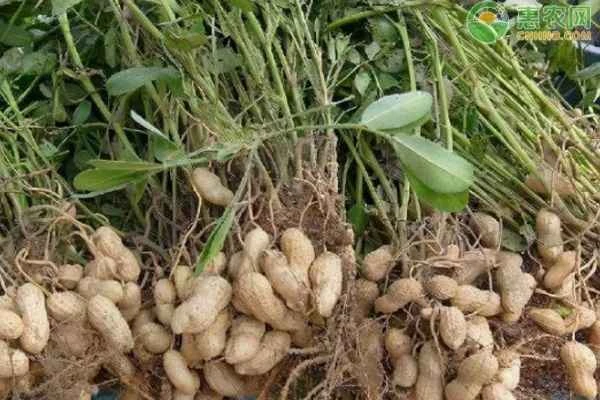
How to distinguish between good and bad peanut seeds?
1. Rub the seed coat
High-quality peanut seeds have easily detachable seed coats when rubbed by hand. Conversely, inferior peanut seeds are difficult to separate from the seed coat.
2. Check the appearance
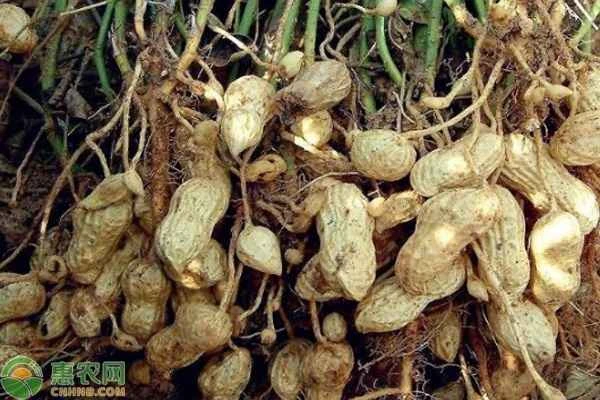
High-quality peanut seeds are generally plump and full, with a sharp embryo apex, a prominent bud disc, a pink seed coat, and a white hilum at the top. Inferior peanut seeds, on the other hand, have a wrinkled surface, a yellowish-brown or dark red seed coat, and an oily appearance on the hilum and cotyledons.
3. Check the year
When selecting seeds, it's best to avoid those older than three years, as these seeds are generally considered old and have a low germination rate. Even if seedlings do emerge, their yield and quality may be affected in the future.
4. Taste the texture
Biting a peanut seed reveals a high-quality seed; a crisp texture indicates it's been damaged by heat, frost, or doesn't meet moisture standards.
5. Soaking method
Seeds that remain dry after soaking in water for 2 hours and whose cotyledons do not easily separate are viable. Seeds whose seed coat wrinkles or whose cotyledons separate after soaking, or which have water stains on the seed coat, are not viable.