Folliculitis after hair transplantation refers to an inflammatory reaction in the hair follicle area after the hair transplant surgery.
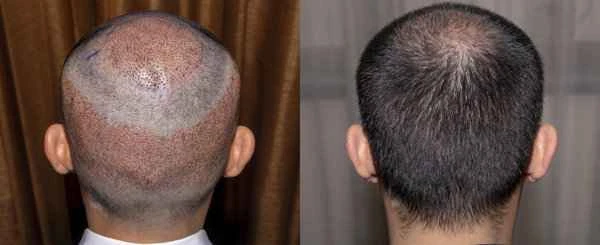
Hair transplantation is a common hair restoration procedure used to treat hair loss or improve hair density. After the surgery, folliculitis may occur due to various reasons, such as infection, damaged hair follicles, or improper post-operative care. Folliculitis is an inflammation of the skin around the hair follicles, manifesting as redness, swelling, pain, pustules, or crusting. This inflammation not only affects appearance but can also lead to permanent damage to the hair follicles, affecting hair growth.
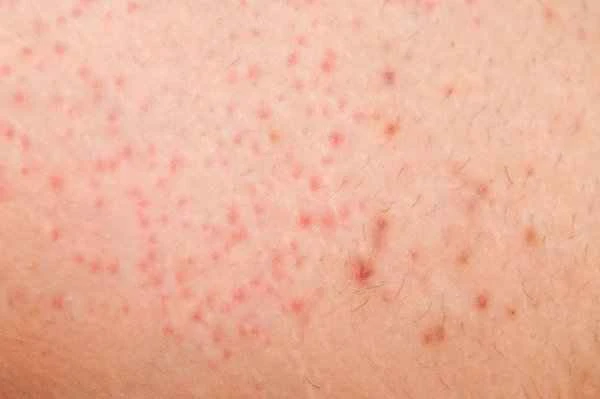
The pathogenesis of folliculitis involves multiple factors. Hair transplant surgery itself may damage hair follicles, triggering an inflammatory response. Improper care during or after surgery, such as inadequate disinfection or postoperative infection, can also contribute to folliculitis. An individual's immune status, skin condition, and the quality of postoperative care also influence the occurrence and development of folliculitis. Prevention and treatment of folliculitis require a comprehensive consideration of these factors and the adoption of appropriate measures to reduce the risk.
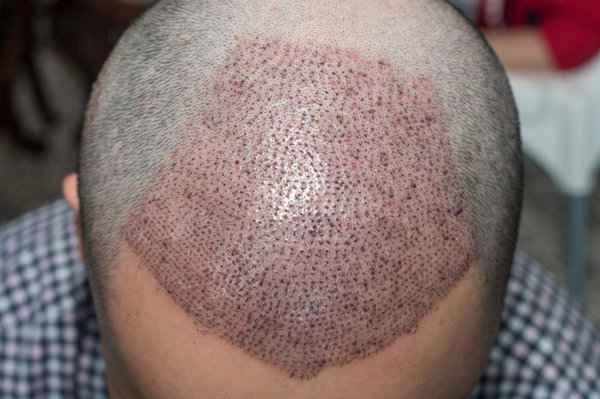
When dealing with folliculitis, in addition to seeking timely medical attention and following the doctor's treatment advice, it's also necessary to understand the potential risks it may pose. Folliculitis not only affects the appearance of hair but can also cause permanent damage to hair follicles, thus affecting hair growth. If left untreated, the inflammation may spread, leading to more serious skin infections. Treatment for folliculitis requires a comprehensive consideration of the severity of the inflammation, the individual's health condition, and potential complications to develop the most appropriate treatment plan.
[Management Tip:]
1. Seek medical attention promptly and follow your doctor's treatment recommendations.
2. Keep the surgical area clean and dry.
3. Avoid squeezing or treating the inflamed area yourself.
4. Pay attention to personal hygiene to avoid cross-infection.