The recovery of frenulum scars refers to the process of gradually restoring the scar tissue left after frenulum surgery to a normal skin condition through a series of treatments.
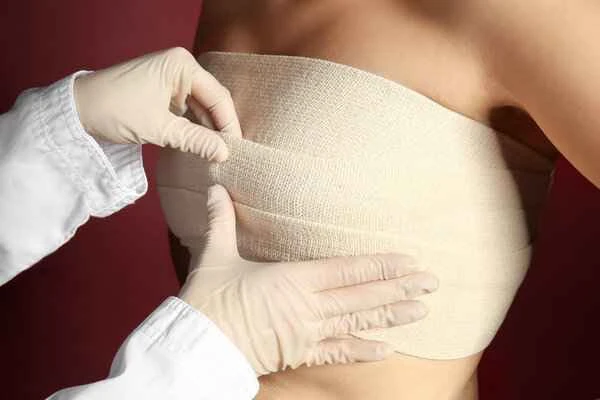
Recovery of frenulum scars primarily depends on the skin's own repair capabilities and the assistance of external treatments. The skin's repair capacity relies mainly on its regeneration and remodeling mechanisms, including cell proliferation, collagen synthesis, and angiogenesis. External treatments include medication, physical therapy, and surgical intervention. In terms of medication, topical application of silicone sheets or gels can promote scar softening and flattening, while oral or topical vitamin E helps reduce scar inflammation. Physical therapies include pressure therapy, laser therapy, and radiofrequency ablation; these methods can promote blood circulation and accelerate the metabolism of scar tissue, thereby improving the appearance of the scar. In some cases, if abnormal scar tissue proliferation or functional impairment occurs, surgical excision or plastic surgery may be necessary.
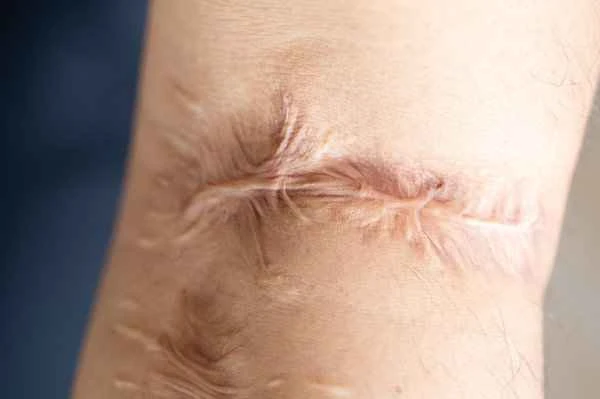
During the recovery process of frenulum scars, patients may encounter some risks and misconceptions. For example, some patients may rely too much on a single treatment method, neglecting the importance of comprehensive treatment. In reality, scar recovery is a multi-factorial process that requires a combination of medication, physical therapy, and lifestyle adjustments. Some patients may have overly high expectations for treatment results, ignoring individual differences during the treatment process. During treatment, patients need to maintain good communication with their doctors, regularly assess the treatment progress, and adjust the treatment plan promptly based on the doctor's advice.
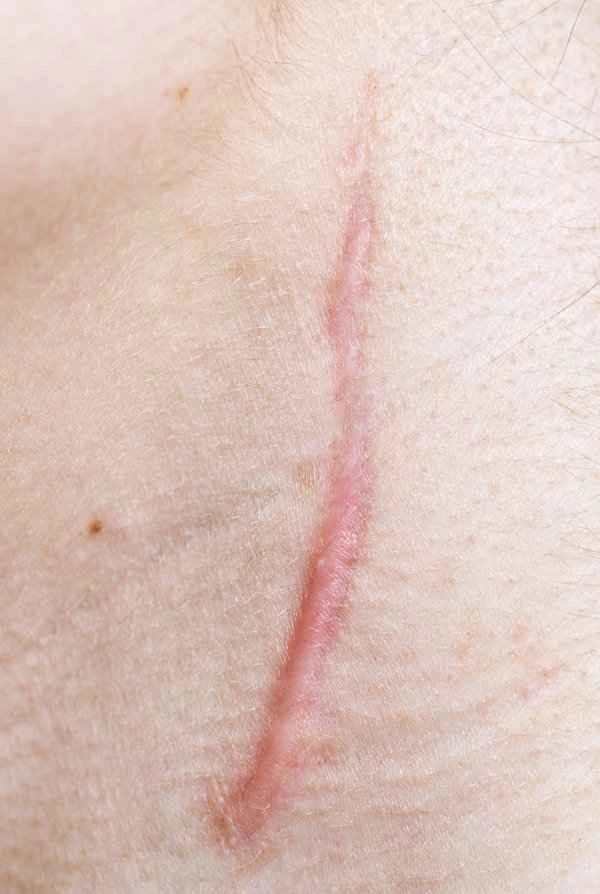
[Management Tip:]
1. Regularly use silicone sheets or gels for topical treatment to promote scar softening and flattening.
2. Adjust your diet and increase your intake of foods rich in vitamins C and E to promote skin repair.
3. If scar hyperplasia or functional impairment occurs, seek medical attention promptly and consider surgical excision or plastic surgery.