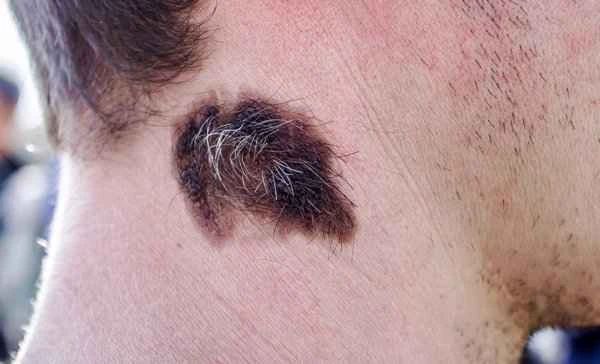
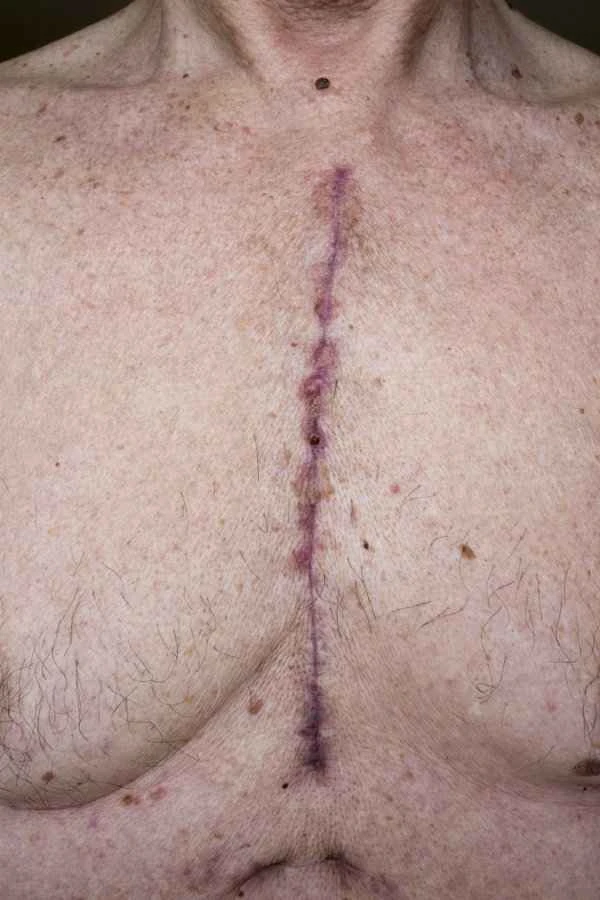
Treatment methods for acne scars mainly include laser therapy, microneedling, chemical peels, dermal filler injections, and surgery. These methods improve the appearance of the skin and reduce the visibility of scars through different mechanisms.
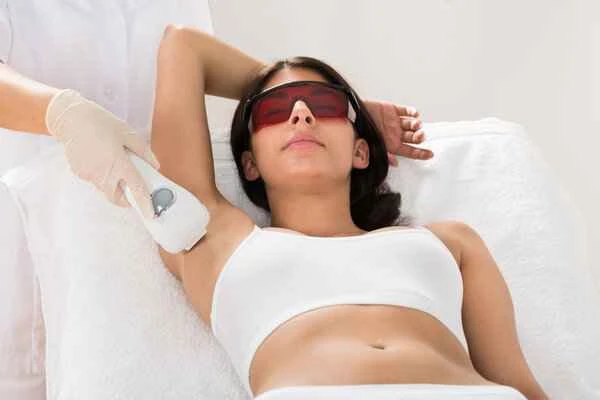
Treatment for acne scars typically involves selecting the most suitable method based on the type and severity of the scar. Laser treatment can improve the appearance of scars by stimulating the skin to produce new collagen; microneedling creates tiny wounds in the skin with tiny needles, promoting skin repair and drug penetration; chemical peels remove dead skin cells from the surface using chemicals, promoting skin renewal; dermal fillers fill in depressions in the scar, smoothing the skin surface; and surgery improves the appearance by removing scar tissue. These treatments can be used alone or in combination to achieve the best results.
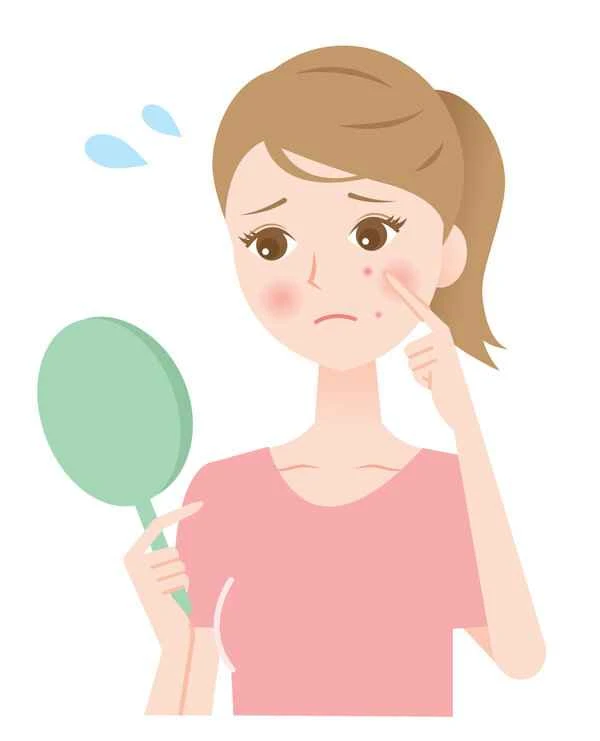
Patients may encounter some risks and misconceptions during the treatment of acne scars. Treating acne scars is not a quick process; it requires patience and confidence from the patient, as well as adherence to the doctor's advice and regular follow-up examinations and evaluations. Side effects may occur during acne scar treatment, such as skin redness, swelling, pain, and infection. These side effects may cause discomfort and even affect the treatment's effectiveness. During acne scar treatment, patients need to closely monitor their physical condition and promptly report any treatment progress and side effects to their doctor so that the treatment plan can be adjusted accordingly.
[Management Tip:]
1. Choose the appropriate treatment method based on the type and severity of the scar.
2. Pay attention to side effects during treatment and promptly report the treatment effects and side effects to the doctor.
3. Maintain good lifestyle habits and avoid excessive sun exposure and behaviors that irritate the skin.
4. Regularly check and evaluate the treatment effect, and adjust the treatment plan in a timely manner.