Scars form due to an overreaction of the body to repair damage after the skin is injured. This overreaction leads to the formation of scar tissue, and the key to preventing scarring lies in reducing post-traumatic inflammation and promoting the normal skin repair process.
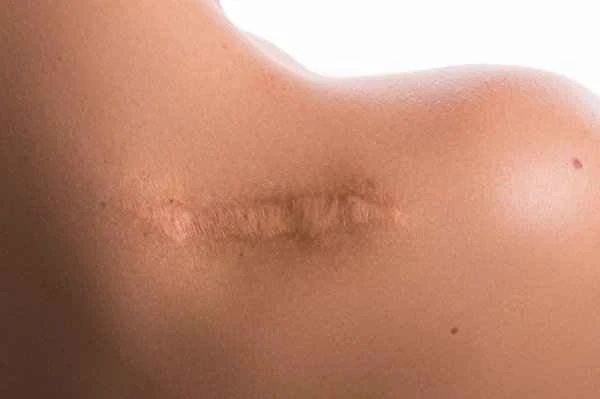
Scar formation is often associated with an inflammatory response following trauma. When the skin is injured, the body initiates an inflammatory response to clear damaged tissue and foreign objects while simultaneously promoting the growth of new skin cells. In some cases, this inflammatory response can become excessive, leading to excessive collagen deposition and the formation of scar tissue. Controlling the inflammatory response after trauma is key to preventing scar formation.

To promote a healthy skin repair process, several steps can be taken to reduce the risk of scarring. Keeping the wound clean and properly bandaging it can reduce the risk of infection, thus lowering the likelihood of scarring. Using products containing silicone, such as silicone sheets or gels, can help reduce scarring. Keeping the skin around the wound moisturized with a moisturizing cream or gel can also help reduce scarring. Finally, avoid strenuous activity during wound healing to prevent increasing the risk of scarring.
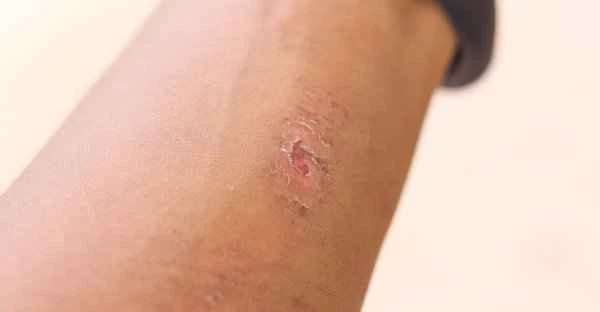
[Life Tips:]
1. Keep the wound clean to prevent infection.
2. Use products containing silicone, such as silicone sheets or gels, to reduce scarring.
3. Keep the skin around the wound moist by using a moisturizing cream or gel.
4. Avoid strenuous activities during the wound healing period.