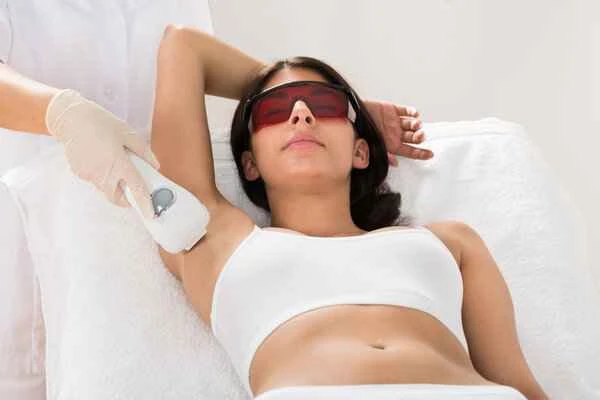
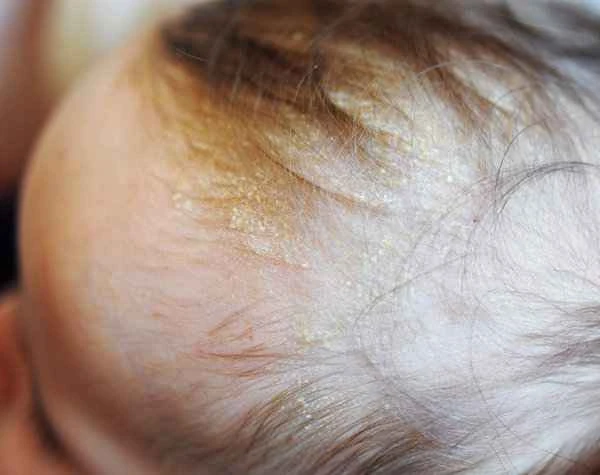
Rapid recovery of depressed scars requires a comprehensive consideration of multiple treatment methods and daily care measures.
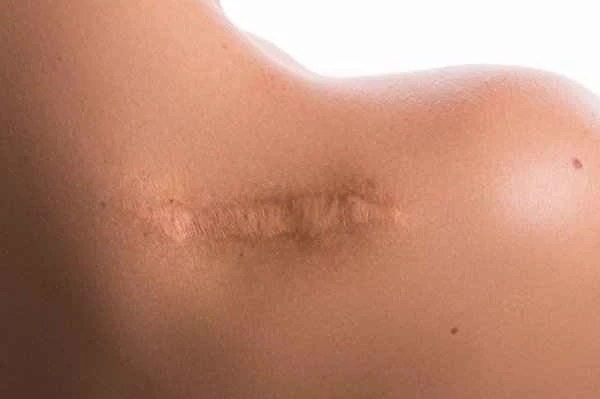
Recovery from depressed scars involves various treatment methods, including but not limited to laser therapy, microneedling, chemical peels, and dermal filler injections. Each method has its own mechanism of action and indications. Laser therapy promotes collagen regeneration, improving skin elasticity and firmness; microneedling stimulates the skin to produce new collagen fibers, helping to fill depressed areas; chemical peels use specific concentrations of acidic substances to induce epidermal cell shedding and promote new skin growth; and dermal filler injections fill depressed areas in a short period, improving skin smoothness. These methods can be used alone or in combination to achieve optimal results. Daily care is also crucial, such as keeping the skin clean and moisturized, avoiding direct sunlight, and maintaining healthy lifestyle habits. These measures help promote the skin's self-repair capabilities and accelerate the recovery process of depressed scars.
When choosing a treatment method, it's important to note that not all methods are suitable for everyone, and each method carries potential risks and side effects. For example, laser treatment may cause redness, pain, or pigmentation; microneedling may cause temporary skin irritation and discomfort; chemical peels may cause skin allergies or infections; and filler injections may cause discomfort or infection at the injection site. When selecting a treatment method, it's crucial to fully understand the mechanism of action, indications, and potential risks of each method, and to undergo treatment under the guidance of a professional physician. Close monitoring of the skin's reaction is essential during treatment, with timely adjustments to the treatment plan to avoid unnecessary risks and side effects.
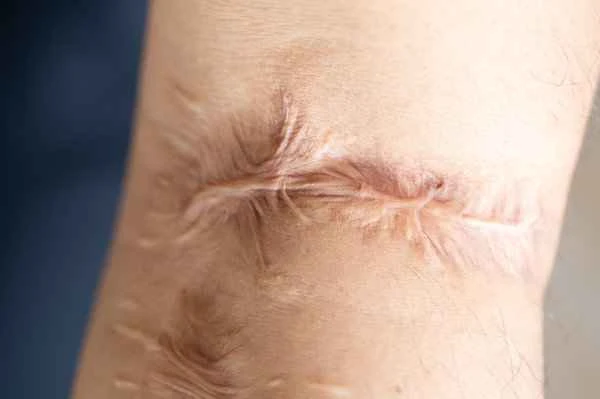
[Management Tip:]
1. Have regular skin checkups to detect changes in pitted scars promptly.
2. Choose the appropriate treatment method according to the doctor's advice, and pay attention to skin reactions during the treatment process.
3. Maintain good lifestyle habits, such as avoiding excessive sun exposure and keeping your skin clean and moisturized.
4. If any abnormalities occur, such as skin redness, swelling, pain, or infection, seek medical attention promptly.