Soil testing plays a vital role in agricultural production, environmental protection, and human health protection. However, most farmers lack technical knowledge of soil testing and therefore often rely on third-party soil testing organizations. So, what are some examples of third-party soil testing organizations? They are listed below:
What are some third-party organizations that provide soil testing services?
There are many third-party organizations for soil testing, such as Hubei Keailer, Greenles Testing, Cavens, Guolian Testing, and Engel Testing. When choosing an organization, simply make sure it has the proper qualifications.
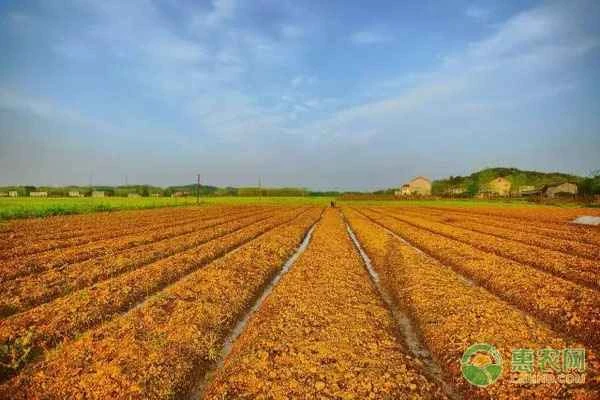
What does soil testing mainly test for?
1. Nutritional components
This includes: organic matter, ammonium nitrogen, nitrate nitrogen, phosphorus, potassium, calcium, magnesium, sulfur, iron, copper, manganese, zinc, boron, pH, exchangeable acid, calcium-magnesium ratio, magnesium-potassium ratio, etc.
2. Organic matter detection
This includes: total petroleum hydrocarbons, benzene series compounds, volatile organic compounds, semi-volatile organic compounds, phenols, polycyclic aromatic hydrocarbons, polycyclic aromatic hydrocarbons (low concentration), benzo(a)pyrene, phthalates, organochlorine pesticides , organophosphorus pesticides , polychlorinated biphenyls, dioxins, etc.
3. Sludge Testing
This includes: pH value, TS (total dry matter), VS (volatile matter content), VFA (vitamin A), TCD (methane content), TP (total phosphorus), TN (total nitrogen), ammonia nitrogen, available phosphorus, etc.
4. Other testing items
This includes moisture, total salt content, total water-soluble salt content, water-soluble and acid-soluble sulfates, cation exchange capacity, total exchangeable bases, base saturation, microaggregate composition, bulk density, loss on ignition, petroleum ( mineral oil), sulfides, volatile phenols, cyanides, fluorides, volatile organic compounds, semi-volatile organic compounds, polychlorinated biphenyls, aldrin, dieldrin, isodrin, heptachlor epoxide, heptachlor, organophosphorus pesticides, etc.