Spring is a season of blooming flowers and hope. For hardworking farmers, this stage is a crucial time to lay the foundation for high yields and profits. Below, we'll discuss the best foliar fertilizer formula for protecting flowers and fruits .
I. Mechanism of Flower and Fruit Preservation
Several elements play a crucial role in the differentiation and fruit setting process of flower buds in fruit trees and vegetables, namely boron, calcium, phosphorus, and potassium. Boron effectively improves the pollination success rate of plants and promotes pollen tube germination. Calcium is a component of cell walls and plays a significant role in the formation of plant floral organs, thereby strengthening the connection between the fruit and the pedicel, increasing fruit set, effectively reducing fruit drop, and ensuring more stable fruit set. Phosphorus and potassium replenish the nutrients consumed during the flowering period.
II. Optimal Formula for Foliar Fertilizer to Preserve Flowers and Fruits
Flower and fruit retention formula: Organic acid boron calcium foliar fertilizer (500 times dilution) + potassium dihydrogen phosphate + brassinolide. This formula effectively supplements boron, calcium, phosphorus, and potassium elements that promote flowering and fruit setting; it's simple and effective.
Formula application time: It is recommended to use this formula once before flowering and once after flowering for good results in protecting flowers and fruits.
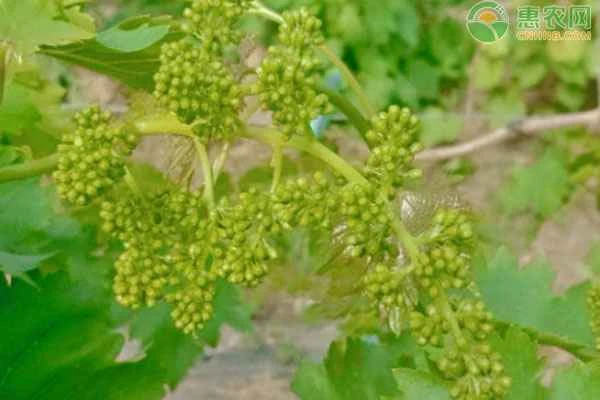
Suitable for: Grapes, citrus fruits, apples, dates, strawberries, peaches, pears, plums, apricots, persimmons, bananas, pineapples, lychees, cherries, bayberries, loquats , dragon fruit, kiwifruit, walnuts, tangerines, and other fruits, as well as vegetables such as tomatoes, cucumbers, eggplants, green beans, and peppers.
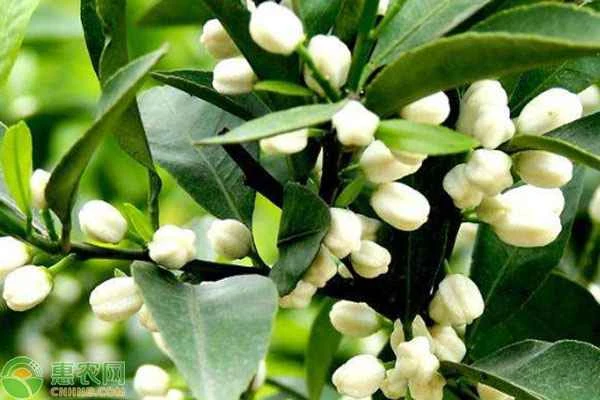
III. Methods for Preserving Flowers and Fruits
1. Pay attention to pollination: The first step in protecting flowers and fruits is pollination. It is essential to use artificial methods to assist pollination in a timely manner, especially for cross-pollinating plants. At the same time, insect pollination can also be used to improve the success rate of pollination. Bees can be released during the flowering period, which will also greatly help with fruit setting.
2. Proper Water and Fertilizer Management: To ensure fruit and flower retention, it is essential to strengthen water and fertilizer management. The water requirement is higher during the fruiting and flowering periods. If the soil is dry, water promptly, preferably in the evening or morning, avoiding midday watering. Fertilizer should primarily consist of organic fertilizer , with sufficient base fertilizer and regular top dressing. In addition to a balanced application of nitrogen, phosphorus, and potassium, micronutrients should also be supplemented.
3. Timely pruning: For fruit trees with excessive flowering and fruiting, timely pruning is crucial. During the flowering and fruiting period, thinning of flowers and fruits should be carried out, and regular pruning should also be done properly. This can enhance the plant's photosynthesis and reduce shading. After harvesting, dead and weak branches should be removed, and branches should also be pruned to prepare for flowering and fruiting in the following year.
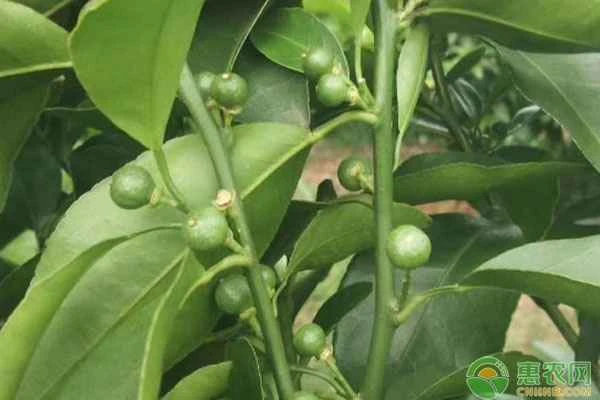
4. Pest and Disease Control: Pest and disease infestations can cause flower and fruit drop, reducing fruit yield and quality, so prevention and control are essential. Generally, appropriate pesticides should be selected based on the type of pest and the severity of the disease. Avoid frequent spraying; insecticides should not be used during the flowering period, and no pesticides should be used before harvest.