In China, wheat is widely planted, from east to west and from south to north, with many places suitable for wheat growth. So when is spring wheat sown and when is it harvested? Let's take a look.
1. When should spring wheat be sown? When should it be harvested?
Spring wheat is sown in late March or early April and harvested in mid-to-late July. Spring wheat has a short growing season, short stalks and large ears, and is extremely drought-resistant, making it suitable for spring sowing, but its flour is not as tasty as winter wheat flour.
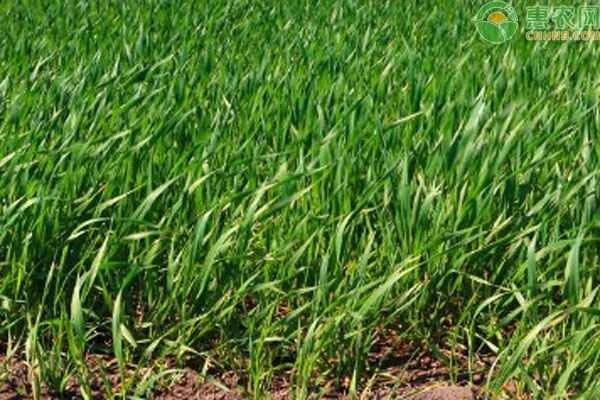
Spring wheat is not suitable for winter planting because it lacks cold resistance and cannot survive in temperatures below freezing. Winter wheat, on the other hand, can adapt to temperatures below zero. Spring wheat is mainly distributed in northern regions, with significant cultivation in Jilin and Heilongjiang provinces, and refers to wheat planted after the start of spring. Winter wheat is mainly distributed in Guizhou, Yunnan, Sichuan, Shandong, and Henan provinces, and is sown in autumn.
II. When is spring wheat sown across the country?
1. In Heilongjiang and Jilin, spring wheat is sown in April each year.
2. The best time to sow spring wheat in Hebei, Inner Mongolia, and Shaanxi is from mid-March to mid-April.
3. In Gansu and Ningxia, spring wheat can be sown as early as the beginning of March, which is earlier than in the two places mentioned above.
4. Spring wheat sowing time in Xinjiang and Qinghai-Tibet: Due to its vast size, Xinjiang can be divided into North Xinjiang and South Xinjiang. In North Xinjiang, spring wheat is sown in April and matures in August. In South Xinjiang, spring wheat is sown earlier, in February, and harvested in July. In Qinghai-Tibet, spring wheat is sown between March and April and harvested in August.
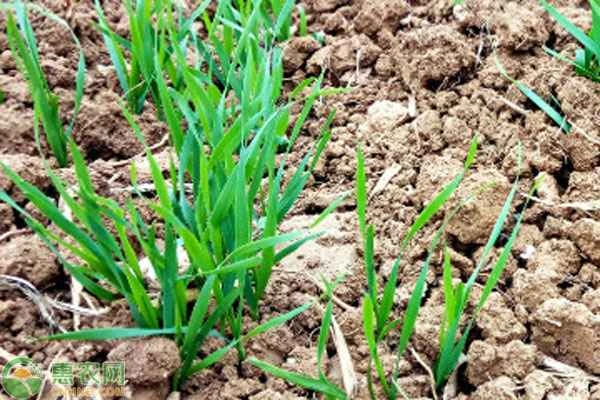
III. What are the differences between winter wheat and spring wheat?
1. Different uses
Spring wheat and winter wheat have distinct uses. Most of the wheat that is milled into flour is winter wheat, while spring wheat is more suitable for feeding animals, making feed , and can also be made into oatmeal. It has a higher sugar content than winter wheat.
2. Different nutritional values
Spring wheat is of lower quality but has a higher protein content. It also contains more carbohydrates but less starch than winter wheat. There is almost no difference in B vitamin content between the two. Winter wheat is of higher quality and more easily absorbed by the body, but its protein content is lower than that of spring wheat. It is more suitable for people who need to control their blood sugar levels, and its starch content is also higher than its carbohydrate content.
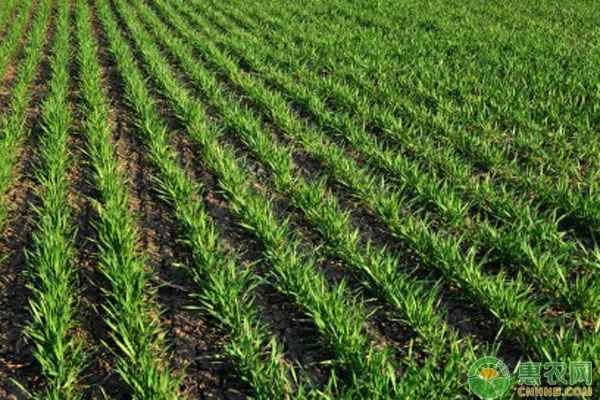
3. Different planting periods
Winter wheat is generally sown in autumn and harvested in the following spring; spring wheat is sown in spring and harvested in the autumn of the same year.