Cherries are loved for their bright color and delicious taste. However, successfully planting cherry trees is not easy. It requires careful consideration and mastery of a series of key planting and management techniques. So, when is the best time to plant cherry saplings ? Let's take a look.
1. When is the best time to plant cherry tree saplings ?
Cherry saplings are best planted in autumn or spring, when temperatures are suitable and soil moisture is high, which is conducive to sapling growth and root development. Furthermore, saplings planted in autumn are more likely to survive the following spring, as they have time to adapt to the new environment and take root.
II. Key Techniques for Planting Cherry Seedlings
1. Site Selection
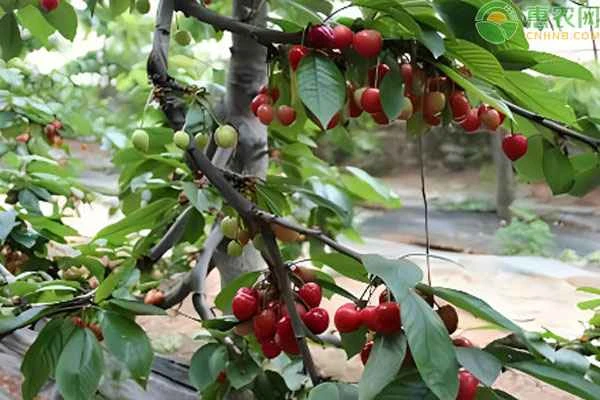
Site selection is fundamental to cherry tree cultivation. An ideal cherry orchard should have good drainage to prevent excessive waterlogging, which can lead to root hypoxia and disease. The soil should be moderately to loose, rich in organic matter, and have a pH maintained between 6.0 and 7.5. This soil environment provides sufficient nutrients and promotes root development. Furthermore, ample sunlight is crucial for the normal growth and fruiting of cherry trees; therefore, planting should be done in a sunny location.
2. Variety selection
Variety selection and pollinator tree configuration are crucial for ensuring high yields and quality cherry fruit. Adaptable and high-quality cherry varieties should be selected based on local climatic conditions (such as average annual temperature and frost period). Since most cherry varieties have low self-fertility rates, a reasonable combination of different varieties of pollinator trees is necessary to improve fruit set and achieve effective pollination.
3. Fertilizer and water management
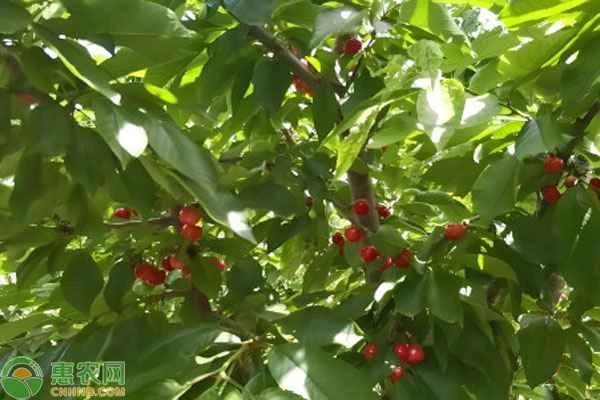
In terms of soil, fertilizer, and water management, regular fertilization is an effective way to improve cherry yield and quality, with a focus on basal fertilizer application and topdressing during the growing season to maintain a balanced soil nutrient supply. Irrigation should be moderate, meeting the cherry trees' water requirements while preventing waterlogging. Furthermore, adjusting the improvement plan based on soil testing results and maintaining good soil structure and microbial activity helps enhance the cherry trees' resilience and productivity.
4. Trimming and shaping
Pruning and shaping are an indispensable part of cherry tree cultivation. Using scientific pruning methods such as free spindle shaping, combined with timely winter and summer pruning, can effectively regulate nutrient distribution within the tree, promote ventilation and light penetration within the canopy, and reduce the probability of pests and diseases, thereby ensuring the healthy growth of cherry trees and the production of high-quality fruit.
5. Pest and disease control
In pest and disease control, the principle of "prevention first, integrated management" should be followed. For common cherry tree diseases such as gummosis, shot-hole disease, and crown gall, as well as pests such as aphids, spider mites, and leafrollers, reasonable control plans should be developed. At the same time, orchard hygiene management should be strengthened, and diseased branches, fallen leaves, and fallen fruit should be promptly removed to reduce the base population of pests and diseases and create a healthy orchard ecological environment.