There are many different kinds of organisms, and their methods of reproduction vary greatly, but they can generally be divided into two types: sexual reproduction and asexual reproduction. So what are the differences between sexual reproduction and asexual reproduction? The details are as follows:
1. Conceptual differences
Sexual reproduction is the process by which gametes from two sexes combine to form a fertilized egg, which then develops into a new individual. Asexual reproduction, on the other hand, is the process by which a new individual is produced directly from the mother without the combination of gametes from two sexes.
2. Reproductive characteristics
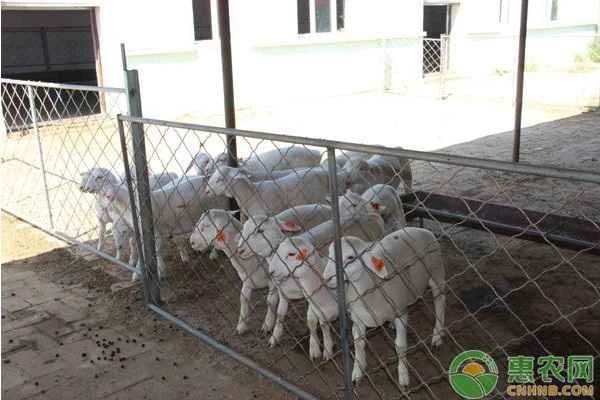
Offspring from sexual reproduction inherit the genetic characteristics of both parents and exhibit greater diversity; while offspring from asexual reproduction inherit all the advantages of their parents, like a copy of the mother.
3. Reproduction methods
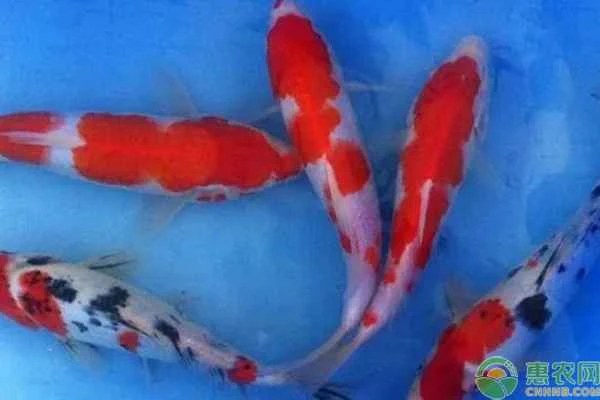
Sexual reproduction mainly includes two methods: external fertilization and internal fertilization. External fertilization refers to the release of eggs and sperm into the external environment, allowing them to combine and fertilize naturally, such as in fish, amphibians, and certain insects among invertebrates ; internal fertilization refers to the combination and fertilization of eggs and sperm within the body, such as in mammals, reptiles, and birds.
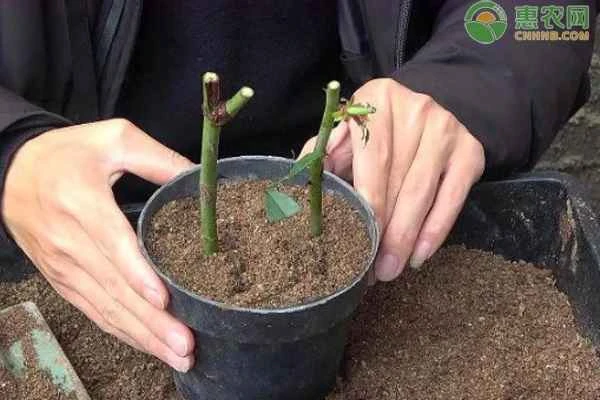
Asexual reproduction methods are incredibly diverse. In plants, asexual reproduction typically includes fission and vegetative propagation; in animals, it includes fission, budding, and spore reproduction.
4. Reproduction rate
Asexual reproduction is much faster than sexual reproduction because it only requires copying and pasting; while sexual reproduction is slower because it involves the production of reproductive cells, fertilization, and development into a new individual.
5. Adaptation Differences
Sexual reproduction involves the mating of males and females, resulting in offspring inheriting the genetic information of two different individuals. This hybridization of genes helps generate new genomic combinations, increasing the likelihood of offspring adapting to environmental changes. Asexual reproduction, on the other hand, is simply a process of individual replication, and its ability to reproduce offspring is weaker in terms of adapting to environmental changes.
6. Classification of Categories
Higher animals and plants mostly reproduce sexually, such as humans who reproduce through sexual reproduction; conversely, lower animals and plants mostly reproduce asexually.