Onions, like scallions, ginger, and garlic , are a common seasoning vegetable in daily life. They can enhance flavor, freshness, and remove fishy smells. They can be grown in most parts of China. Below, we will learn about the planting methods and timing of onions.
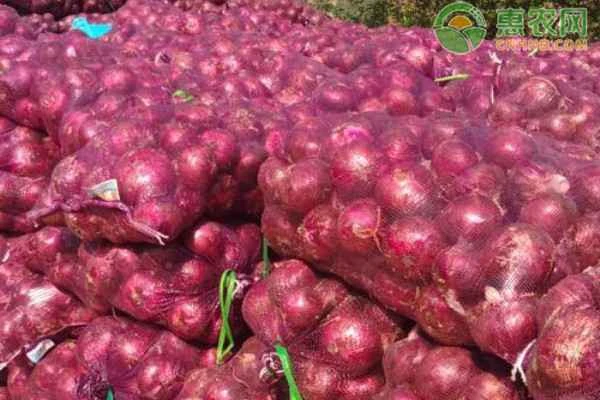
1. Planting time
Onion seeds are generally planted in the autumn, between September and October. The planting time varies depending on the region, variety, and planting method. Typically, transplanting can be done in spring (early March to early April) or autumn (early September to early October).
2. Land preparation and fertilization
Before planting onions, level the ground and ensure the soil is loose. Then, add some well-rotted organic manure and mix the soil and fertilizer thoroughly. After that, level the ground again and dig drainage ditches. Now you're ready to sow the seeds. Be careful not to add too much fertilizer, as this can burn the seedlings later. After preparing the land, water it thoroughly to keep the soil moist. Then, evenly scatter the onion seeds on the soil and cover them with a thin layer of soil. Maintain a warm and humid growing environment.
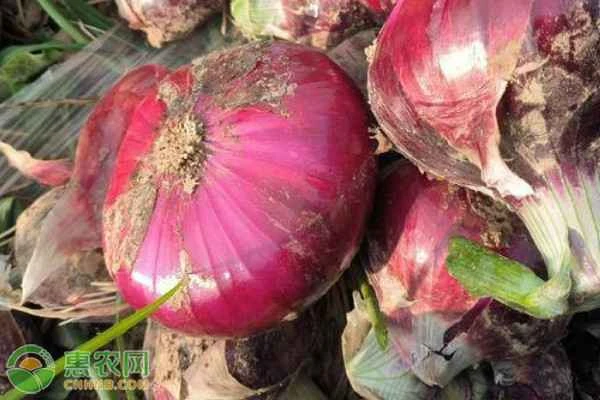
3. Water appropriately
After transplanting onions, water them appropriately, using a small amount of water frequently to ensure adequate moisture supply to the roots of the newly transplanted seedlings . Avoid flooding at this stage, as this will lower the soil temperature and negatively impact the growth of the onion seedlings.
4. Scientific fertilization
Onions require less fertilizer during the seedling stage; sufficient base fertilizer can be applied before sowing. In the following spring, onions grow rapidly, and the bulbs begin to swell, requiring a large amount of nitrogen, phosphorus, and potassium fertilizer. To ensure nutrient supply, a compound fertilizer can be applied once during the spring irrigation. When the onion bulbs begin to swell, an additional fertilizer should be applied to promote bulb growth.
5. Scientific harvesting
When the lower leaves of an onion turn yellow and dry, the stem begins to droop, and the outer skin of the bulb dries out, it indicates that the onion is ripe, and this is the best time to harvest it. After harvesting, onions are best dried in the sun for three to four days. While drying, cover the bulb with onion leaves to prevent it from being exposed to direct sunlight, which will help with storage.