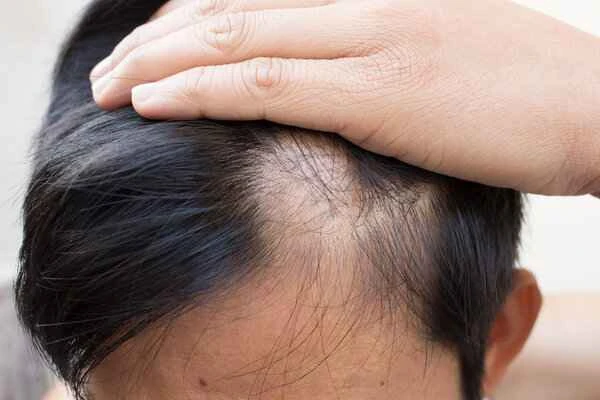
Hair loss on the crown may be alopecia areata, also known as patchy alopecia, an autoimmune disease that causes localized or widespread hair loss. This type of hair loss typically presents as round or oval patches of hairless hair, commonly found on the scalp, but can also occur on other parts of the body. Alopecia areata is characterized by the sudden appearance of round areas of hair loss with well-defined borders, and the surrounding hair may be thinning or turning white.
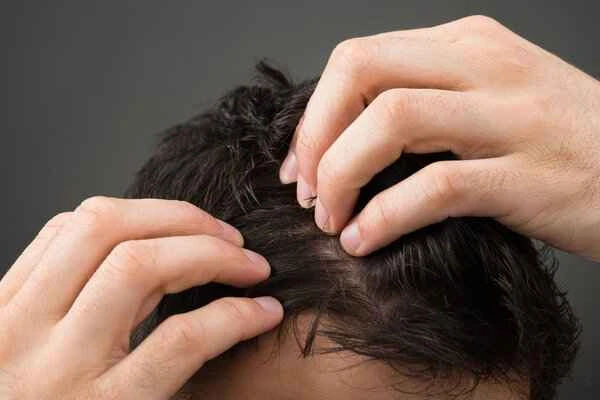
Alopecia areata can be associated with stress, genetic factors, or immune system abnormalities. Patients with alopecia areata may notice a sudden increase in the area of hair loss, or it may occur after a specific stressful event. Characteristics of alopecia areata also include smooth skin in the affected areas without obvious inflammation or erythema. Alopecia areata is not always patchy; sometimes it can present as diffuse hair loss.
If symptoms continue to spread or are accompanied by significant scalp inflammation, pain, or itching, other possible causes should be considered, such as seborrheic dermatitis, psoriasis, or fungal infections. These conditions may require different treatments, so accurate diagnosis is crucial.
When facing hair loss on the top of the head, it's crucial to pay special attention if the affected area expands rapidly or is accompanied by other symptoms such as pain, itching, or redness. Seeking professional medical advice immediately is essential. Alopecia areata is sometimes mistaken for common stress-related hair loss, so accurate diagnosis is crucial for appropriate treatment. Individual differences are significant, therefore, a professional doctor's diagnosis and advice are indispensable.
[Prevention Tips:]
1. Maintain a healthy lifestyle, including a balanced diet, sufficient sleep, and moderate exercise.
2. Learn to manage stress effectively by using meditation, yoga, or other relaxation techniques to relieve stress.
3. Regularly check your scalp health, pay attention to any abnormal changes, and consult a doctor promptly.