Removing keloids on the chest requires a comprehensive consideration of various treatment methods and mechanisms. Keloids on the chest, medically known as hypertrophic scars or keloid tumors, are excessively growing scar tissues commonly found after skin trauma has healed. Methods for removing keloids on the chest mainly include drug therapy, physical therapy, and surgical treatment. Drug therapy typically involves the topical application of corticosteroids, 5-fluorouracil, etc., which reduce scar tissue growth by inhibiting inflammatory responses and cell proliferation. Physical therapies, such as pressure therapy and laser therapy, reduce the volume and hardness of scar tissue through physical means. Surgical treatment includes excision and flap transplantation, but the recurrence rate is high; therefore, it is often used in combination with drug or physical therapy to reduce the risk of recurrence.
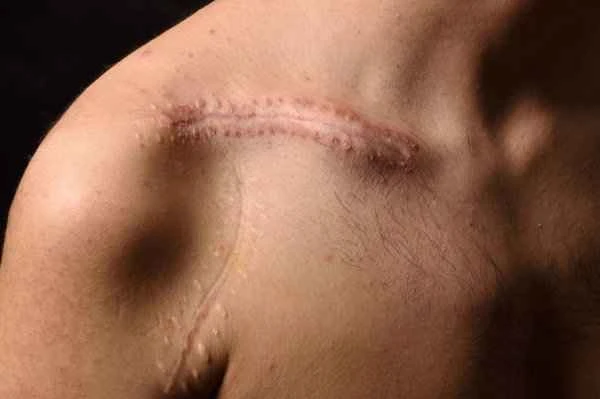
In treating keloid scars on the chest, patients need to understand that while there are many treatment options available, each has its own indications and potential risks. For example, while corticosteroid injections can effectively reduce scar tissue, long-term use may lead to problems such as thinning skin and hyperpigmentation. Laser treatment can improve the appearance of scars, but may require multiple treatments to achieve the desired results, and the treatment cost is relatively high. When choosing a treatment method, patients should fully understand the advantages and disadvantages of each approach and make a decision under the guidance of a professional physician.
[Management Tip:]
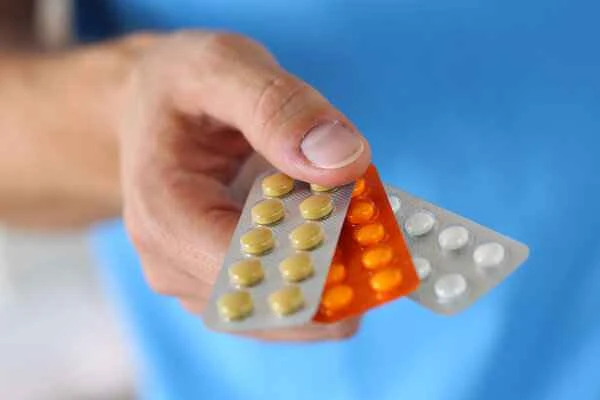
1. Have regular scar assessments at the hospital and adjust the treatment plan accordingly.
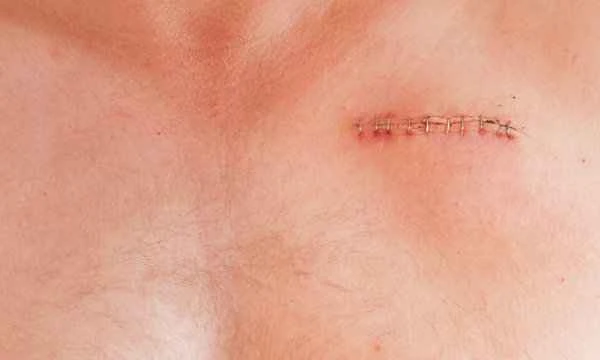
2. Pay attention to wound care to avoid infection and reduce the chance of scar formation.
3. If symptoms such as redness, swelling, and pain occur in the scar, seek medical attention promptly to prevent the scar from worsening.