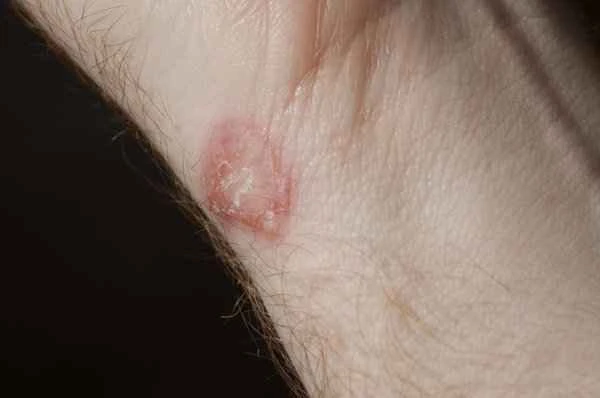
Determining the extent of scar formation involves assessing the size, color, hardness, and impact on surrounding tissues.
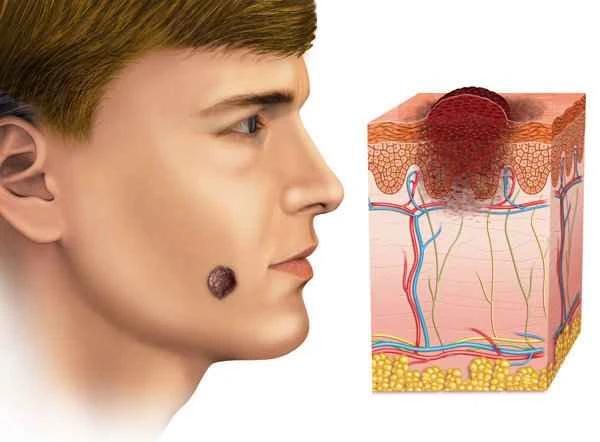
Understanding the extent of scar formation is important because it helps doctors and patients monitor the scar's development and take appropriate treatment measures to avoid functional impairment or cosmetic problems caused by excessive scar growth. Regular scar assessments allow for better scar management and reduce the occurrence of complications.

To determine the extent of scar formation, the first step is to observe its color and size. Darker, larger scars often indicate more active scar tissue, potentially suggesting ongoing proliferation. The firmness of the scar is also important; a hard, elastic scar may indicate that it is in the proliferative phase. The scar's impact on surrounding tissues is another crucial indicator; for example, does it affect joint range of motion or cause localized pain? These observations and examinations typically require guidance from a qualified physician, using a comprehensive assessment combining visual and tactile methods to determine the degree of scar formation.

Examination results typically reflect the current state of the scar, but this does not mean it will remain unchanged. Scar formation is a dynamic process that requires regular follow-up examinations to monitor its changing trends. It's also important to note that scar assessment results only provide a general reference; the specific treatment plan should be determined by a doctor based on the patient's individual circumstances. While conducting self-monitoring, it is crucial to follow your doctor's instructions and not to decide on a treatment plan on your own.
【Useful Tips:】
1. Regularly observe the color, size, hardness, and impact on surrounding tissues of the scar.
2. Keep the wound clean to prevent infection and promote scar healing.
3. Under the guidance of a doctor, use medication or physical therapy to control scar hyperplasia.
4. Follow your doctor's instructions for regular check-ups and adjust the treatment plan as needed.