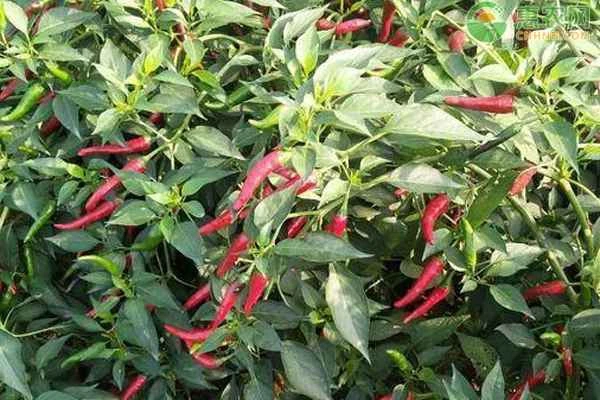
Chili peppers are hot in nature and pungent in taste. They are rich in nutrients such as vitamin C and capsaicin, and have the effects of stimulating appetite, strengthening the spleen, aiding digestion, and dispelling cold and warming the body. In China, chili peppers are an indispensable seasoning in home-cooked dishes and are loved by many. So when is the best time to sow chili pepper seeds ? Let's take a look.
1. When is the best time to sow chili seeds?
Chili seeds are best sown in spring or early summer, with the optimal sowing period being from March to July. During this period, ample sunshine and warm weather are conducive to the growth of chili seedlings and seed germination. Specifically, for spring open-field cultivation of chilies under plastic film mulch, seedling transplanting is recommended. When sowing in the seedbed, the sowing rate should be controlled at 8-10 grams per square meter. Before sowing, prepare the seedbed with the prepared nutrient soil, and water it thoroughly, ensuring the water penetrates to a depth of 30 cm. After sowing, cover with 1-2 cm of nutrient soil and lightly compact it. Finally, cover the seedbed with plastic film. If necessary, add additional covering at night to increase temperature and retain moisture, which is beneficial for germination. However, climatic conditions vary in different regions, so growers should flexibly choose the sowing time according to local conditions.
II. How to plant chili seeds?
1. Choose suitable varieties and seeds: Before planting chili peppers , first select varieties suitable for the local climate and growing conditions. When purchasing seeds, choose high-quality, certified seeds to ensure germination rate and quality.
2. Pre-germination treatment: Some chili seeds have hard surfaces and require pre-germination treatment to improve the germination rate. You can soak the seeds in warm water for 12-24 hours, or wrap them in a damp paper towel and place them in a plastic bag to keep them moist, waiting for them to germinate.
3. Prepare planting containers and soil: Choose suitable containers for planting peppers, such as flower pots, planting trays, or seedling trays. Prepare well-drained, loose seedling soil, which can be a mixture of garden soil, leaf mold, and sand.
4. Sowing: Evenly scatter the treated seeds on the soil surface of the planting pot or seedling tray, then gently cover them with a thin layer of soil. Choose an appropriate soil covering thickness according to the size of the seeds; generally, 2-3 times the diameter of the seed is sufficient.
5. Maintain suitable temperature and humidity: Chili peppers prefer a warm environment, with the ideal germination temperature typically between 20-30 degrees Celsius. Place the planting container in ample sunlight, but avoid excessive exposure. Keep the soil moderately moist, but do not overwater to prevent root rot.
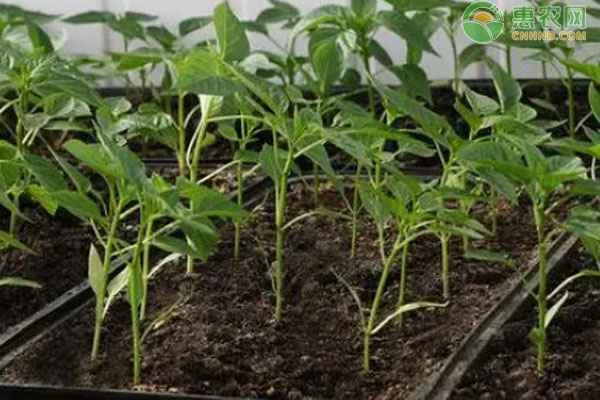
6. Germination and Growth: Once the seeds begin to germinate, maintain suitable humidity and light. As the seedlings grow to a certain height, the light intensity can be gradually increased to help them grow normally. Avoid extreme conditions such as excessively high or low temperatures.
7. Transfer and Transplanting: When the chili seedlings grow to about 10-15 cm tall, they can be transferred to larger containers for further growth. When transplanting, ensure that the root system of the seedlings is intact and avoid damaging the tender seedlings.
8. Daily care: Continue to maintain suitable temperature, humidity, and light conditions, and water appropriately, avoiding waterlogging. Apply diluted liquid fertilizer every two weeks to promote growth.
9. Pest and disease control: Carefully check the plants for signs of pests and diseases, such as aphids and powdery mildew. Take timely measures for control, using organic or chemical methods, but always follow the principles of safe pesticide use.
10. Harvesting: Chili peppers typically begin to bear fruit about 60-90 days after sowing. Depending on the variety and maturity, ripe chili peppers can be harvested gradually and enjoyed.