Geese are primarily herbivorous and are considered feed-efficient poultry. They can be raised using rice straw, wheat stubble fields, hillsides, grasslands, and woodlands , making their future prospects very promising. Currently, goose farming is quite widespread in rural areas of China. So, what are the techniques and methods for goose farming? Details are as follows:
1. Construction of goose house
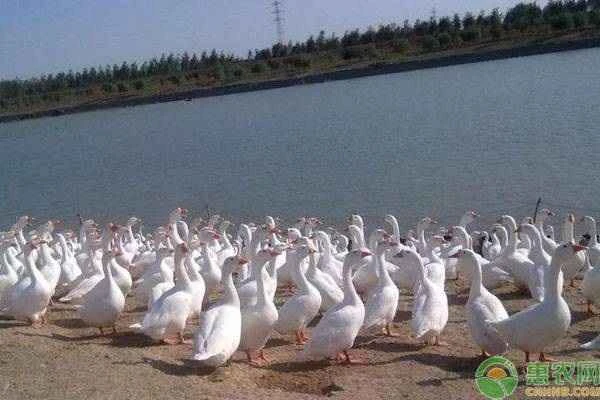
Goose houses should be built on high, dry, flat or gently sloping ground, facing south or southeast, with well-drained sandy loam or other soil types being ideal. Farmers can utilize abandoned old houses or build simple sheds, surrounding them with bamboo fences or coarse netting for enclosure.
2. Group Management
The main focus is on separating weak and sick goslings into groups. This is to prevent them from being crushed, killed, or starved due to sluggish eating, drinking, or movement. Sick goslings should be treated and carefully cared for. Before the goslings are given water and food, they should be grouped for the first time according to their hatching time and physical condition, and given different heating systems and times for watering and feeding.
3. Feed feeding
(1) Goslings: Feed goslings cooled boiled water 24 hours after hatching, 2-3 times a day. When they start pecking at food at 3-4 days old, take 1 part of water-soaked broken rice and 5 parts of finely shredded green feed, mix them together and feed them 3-5 times a day.
(2) Adult geese: Feed them once each in the morning, noon and evening. They can be grazed once each in the morning and afternoon. Each goose should be supplemented with 25 grams of grain in the morning and evening. Each goose should consume 750-1000 grams of green grass and 150-175 grams of feed per day. After each feeding, let them drink plenty of water.
4. Health and epidemic prevention
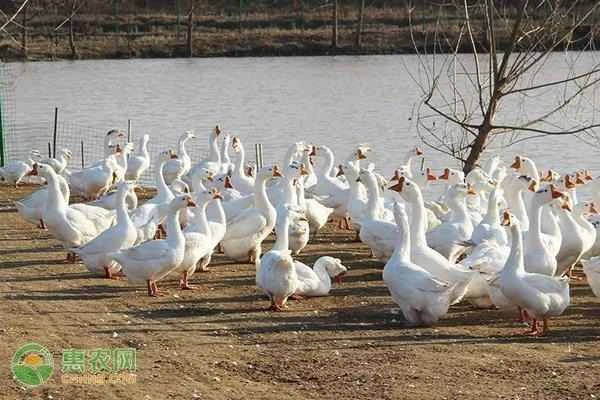
Regularly implement hygiene and epidemic prevention measures, and strictly adhere to hygiene and epidemic prevention regulations. A disinfection pool and disinfection box should be set up at the entrance; all personnel entering and leaving must be disinfected (using 1% caustic soda solution, quicklime , etc.). Drinking and eating utensils must be cleaned regularly every day and disinfected at least once a week. Animal pens should be disinfected at least once a month and cleaned regularly every day. Many disinfectants are available, such as Virkon S, peracetic acid, enrofloxacin, and ciprofloxacin.
5. Timely mating
Geese mostly mate naturally in water. The most active mating times for breeding geese are morning and evening. Therefore, during the egg-laying season, the water access and mating time should be extended in the morning and evening to give the female geese more mating opportunities and improve the fertilization rate of the eggs . For geese kept indoors, they should be given water in the morning and evening every day to encourage more mating during these times.