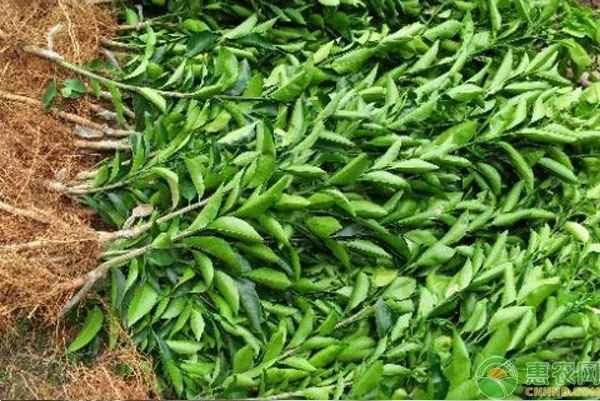
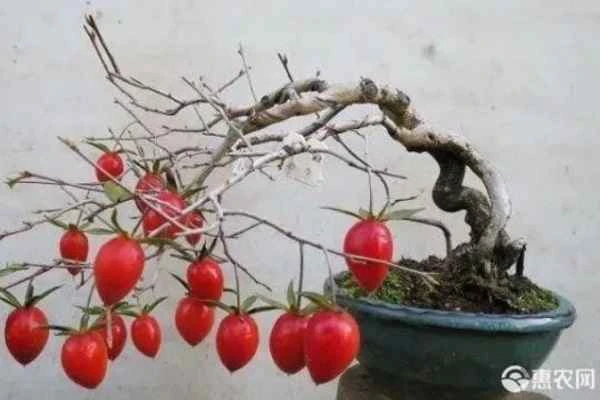
Diospyros kaki, a deciduous small tree belonging to the Ebenaceae family and the Diospyros genus, is not only beautiful in shape but also produces bright red fruit, making it a popular species for bonsai. So, is the native Diospyros kaki better or grafted? Details are as follows:
1.Plant shape
Grafted persimmons often achieve shapes and forms that cannot be naturally grown by grafting at suitable locations, thus enhancing the aesthetic appeal of the bonsai. From this perspective, grafting can compensate for the shortcomings of native plants in terms of artistic processing .
2. Results
Native persimmon trees often take a long time to bear fruit, and even when they do, the quantity is limited and the fruit quality is not very high. Grafted persimmon trees, on the other hand, usually bear fruit more quickly, produce more fruit, and have more vibrant colors, resulting in more aesthetically pleasing ornamental bonsai.
3. Reproduction
Persimmon trees are more likely to produce rooted seedlings, which can quickly propagate persimmons. However, grafted persimmon trees usually cannot produce rooted seedlings with the same fruit shape as the grafted ones. Therefore, from a propagation perspective, grafted persimmon trees do have their shortcomings.
4. Lifespan
Native persimmon trees typically have a very long lifespan and can be cultivated for extended periods. Grafted persimmon trees, on the other hand, have a much shorter lifespan and require careful nurturing to prolong their survival.
5. Maintenance
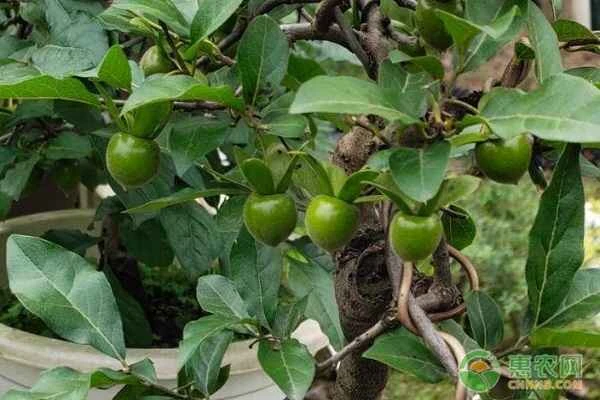
Grafted persimmons are much more troublesome to care for than native ones, and require higher management skills, especially since improper wound treatment can seriously affect their appearance.
6. Price
Grafted persimmons are much more expensive in the market than native ones because grafted seedlings are shorter, have denser branches, and a unique shape, making them more suitable for bonsai. Therefore, in terms of price, grafted persimmons are clearly at a disadvantage.