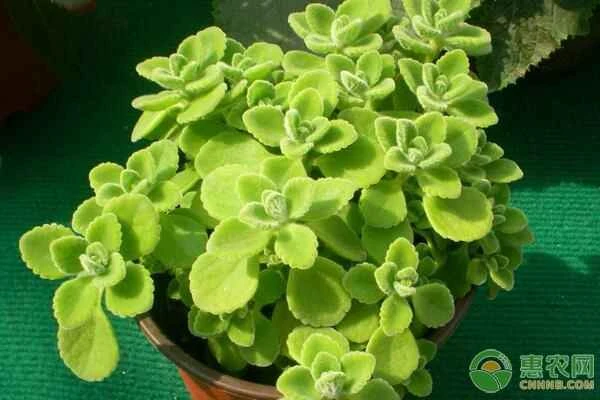
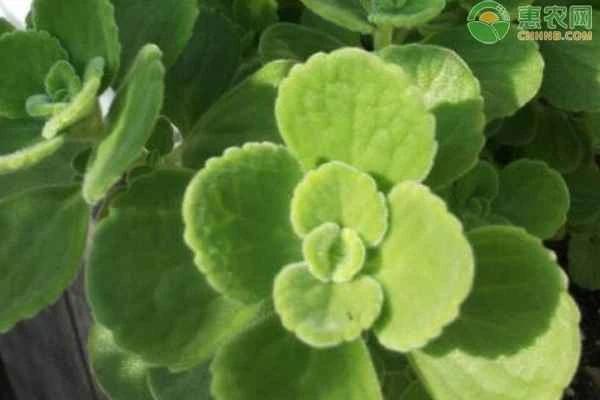
Plectranthus amboinicus, also known as fuzzy fragrant herb, is a common herb. Its leaves somewhat resemble those of the succulent bear's paw (Cotyledon tomentosa), feeling slightly fuzzy to the touch, and it's very easy to care for. So, what are the cultivation methods for a newly purchased Plectranthus amboinicus? Let's find out below.
1. Soil
Plectranthus prefers loose, well-drained soil rich in organic matter. You can use succulent potting mix directly, or you can mix garden soil, leaf mold, peat moss, and perlite.
2. Light
Plectranthus amboinicus thrives in bright light; the more sunlight it receives, the thicker its leaves and the stronger its fragrance. It should be placed in the sunniest spot possible to ensure it receives ample sunlight. However, while it is very sun-tolerant, it doesn't require excessive light. Therefore, it's best to avoid prolonged exposure to direct sunlight, and provide appropriate shade during the summer to prevent leaf burn.
3. Watering
Plectranthus doesn't require much water and thrives in dry environments. Generally, water it thoroughly when the soil is about half dry, following the principle of "water only when dry, and water thoroughly." Be sure to water slowly around the edge of the pot, allowing the water to reach the soil surface. Especially when adding fertilizer to the water, never pour it directly onto the leaves.
4. Fertilizing
Plectranthus amboinicus is a vigorous grower and has a relatively high demand for fertilizer . However, it's important to fertilize it sparingly and frequently, using a water-soluble, balanced NPK fertilizer diluted 1000 times with water, watering it 1-2 times per month. If over-fertilization occurs, be sure to increase the watering frequency to dilute the fertilizer concentration in the potting soil.
5. Pruning
In the daily management of Plectranthus amboinicus, some branches may grow very thin and long. To promote better growth, pruning is essential. This encourages more branches to grow evenly and thus grow faster. Furthermore, when pruning, all overgrown, diseased, and dead branches should be removed, especially those affected by disease, as these can spread to other branches if not removed promptly.