Belgian rabbits grow quickly, are highly adaptable, and have a large litter size, typically producing 7-8 offspring per litter. Their meat is exceptionally delicious. The main methods for raising Belgian rabbits include the following five points:
1. Selecting a breeding site
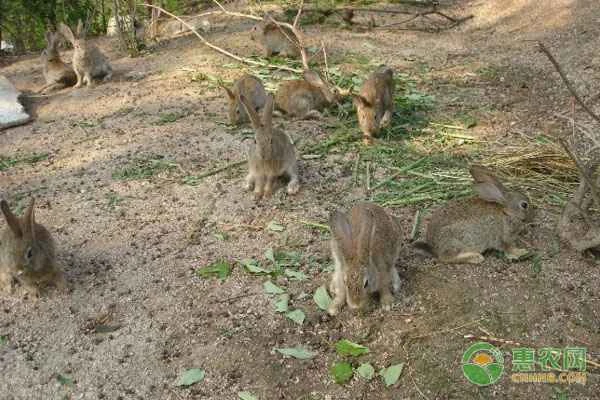
To raise Belgian rabbits, choose a flat, well-ventilated location with ample sunlight. At the same time, ensure the site is clean and safe to prevent the spread of disease.
2. Rabbit shed construction
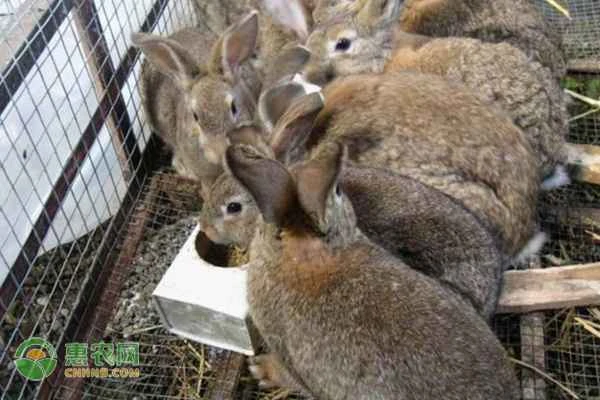
Rabbit hutches are essential for the life and growth of Belgian rabbits, so choosing suitable building materials and designs is crucial. Rabbit hutches should be kept dry, well-ventilated, and at a suitable temperature, and should be cleaned and disinfected regularly to maintain hygiene. Furthermore, the size and layout of the rabbit hutches should be planned according to the scale of the breeding operation.
3. Feeding and Management
It is recommended to use complete formulated feed to ensure the growth rate and health of Belgian rabbits, and to avoid using moldy or spoiled feed. Farmers should arrange feeding times and quantities reasonably, and group the Belgian rabbits according to their size and growth stage. At the same time, they should carefully observe the growth of the Belgian rabbits and adjust feeding and management measures promptly. In addition, regular vaccination and deworming are necessary to prevent the occurrence of diseases.
4. Daily Management
Rabbit breeders should perform daily management tasks, promptly cleaning rabbit hutches, disinfecting waterers, feeders, and other equipment to maintain hygiene and cleanliness. They should also regularly check the health of the Belgian rabbits and address any abnormalities promptly. Furthermore, it is important to prevent stress in the Belgian rabbits by maintaining a quiet and stable breeding environment.
5. Disease prevention
Regardless of whether the feed consists of grass, hay, or fodder, deworming should be carried out year-round, and timely disease prevention should be implemented. To prevent drug resistance, several deworming medications can be used in rotation. Generally, after 15 consecutive days of treatment, a 3-5 day interval should be observed before repeating the treatment.