After wood is burned, what remains is wood ash. Unburned wood, after cooling, becomes charcoal. Many people are unclear about how charcoal is made. So, how exactly is charcoal made? Below, we will introduce the method.
How is charcoal made?
Charcoal is made by burning wood, but it's not simply the residue left after burning. The process is more accurately described as roasting. In the absence of air, the complex organic matter in the wood is roasted into charcoal. Charcoal making mainly involves kiln firing, which means building a kiln with mud, filling it with wood, and then lighting it to carbonize the wood inside the kiln.
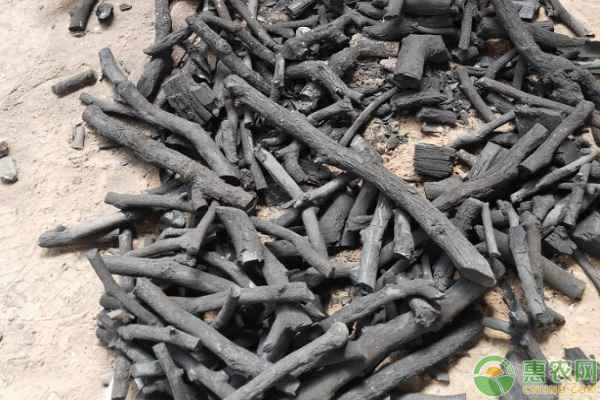
Steps for making a one-time charcoal kiln
1. Building on an open space
When making a disposable charcoal kiln, you first need to find an open space for burning charcoal, and then erect the first large piece of wood on the open space. This large piece of wood will be the initial foundation to support the other wood, so part of this large piece of wood should be buried in the ground to ensure its stability.
2. Stacking
Other firewood is piled up around this "large wooden pillar" in a cone shape. For charcoal making, it is best to use firewood from dense, broad-leaved trees, as this will produce high-quality charcoal.
3. Cover with straw
The pile of firewood is covered with a layer of straw or dry leaves to isolate the dry wood from the wet mud that will be applied later, preventing the wood from burning unevenly after it gets wet.
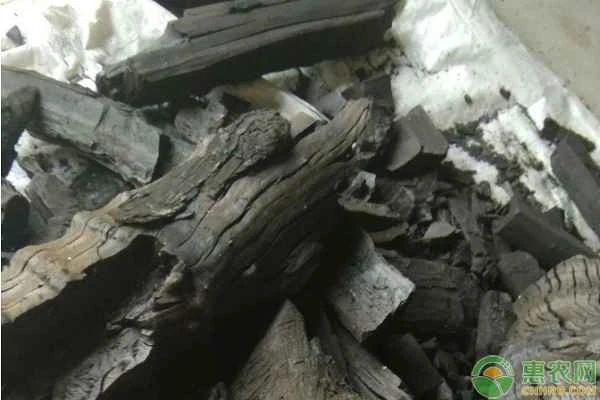
4. Apply mud
Cover the woodpile with mud, leaving only a large hole at the top and eight ventilation holes at the bottom to provide oxygen. Once the eight ventilation holes are dug, you can light a fire in the large hole at the top of the pile without waiting for the mud to dry completely.
5. Fill cracks
The heat inside the charcoal kiln will cause the earthen mound to crack, so it's necessary to prepare some wet mud to seal the cracks and prevent air from getting in. After the earthen cone is lit, continuously observe the air inlets at the bottom of the kiln and the combustion inside. Check if the flames are burning against the airflow to the air inlets. If the flames reach any air inlet, block it to cut off oxygen. After blocking all eight air inlets, also block the large hole at the top of the kiln, and then allow it to cool slowly.