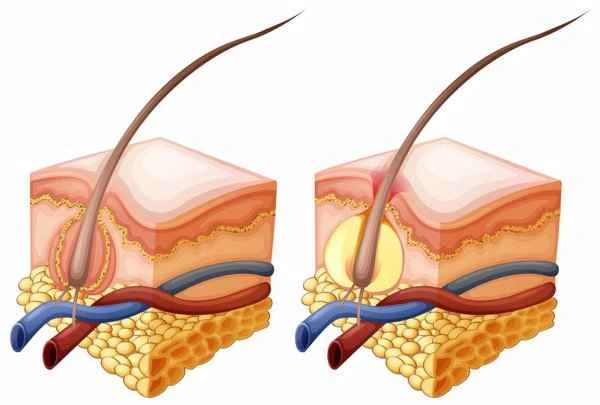
Keloid-prone constitution refers to a condition where the body is prone to developing excessive scar tissue after injury, resulting in noticeable scars. To prevent keloid-prone individuals from developing scars, a comprehensive approach involving both prevention and treatment is needed to reduce scar formation.
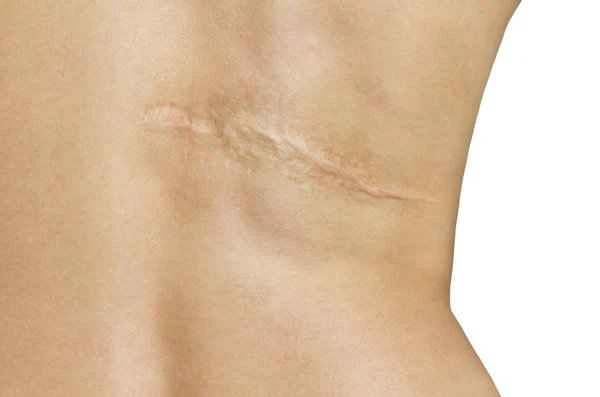
The formation of keloid scars is related to factors such as genetics, skin structure, and immune system response. The key to preventing scar formation lies in reducing skin damage and promoting wound healing. Avoid unnecessary skin trauma, such as unnecessary surgery and injections, and reduce the chances of scratches and abrasions. Promoting wound healing can be achieved through the use of anti-scarring medications, such as silicone patches or gels, to reduce scar formation. Keeping wounds clean and preventing infection are also important preventative measures. Finally, nutritional support is also crucial, such as supplementing with vitamins C and E, which can promote wound healing and reduce scar formation.
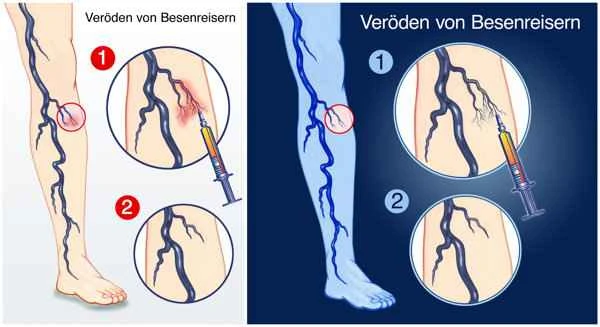
In terms of treatment, if scarring has already occurred, various methods can be used to reduce its impact. Laser therapy, silicone gel patches, and pressure therapy are common treatment methods. Laser therapy can reduce scar formation by stimulating skin regeneration. Silicone gel patches and pressure therapy can reduce scar hyperplasia through physical action. Surgical excision of the scar, followed by skin grafting or flap transfer, can also improve its appearance.
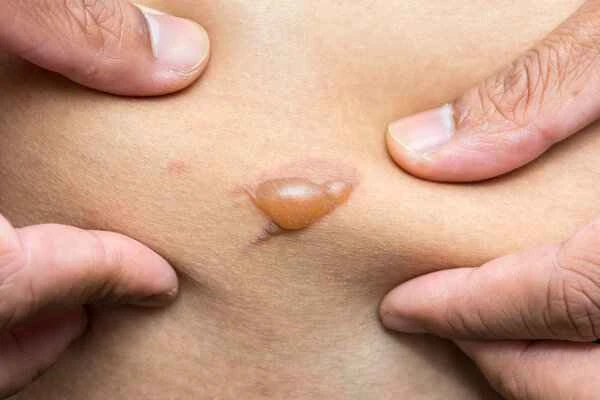
It's important to note that treating keloid scarring is not a quick fix and requires long-term commitment. Furthermore, some side effects may occur during treatment, such as skin infections and hyperpigmentation. Therefore, close monitoring of the skin's condition and timely adjustments to the treatment plan are crucial. Treatment for keloid scarring requires a comprehensive consideration of the patient's specific circumstances, such as the type, location, and size of the scar, as well as factors like the patient's lifestyle and work environment. Therefore, individualized treatment is essential to avoid a one-size-fits-all approach.
[Prevention Tips:]
1. Avoid unnecessary skin trauma, such as unnecessary surgery and injections.
2. Keep the wound clean to prevent infection.
3. Use anti-scarring medications, such as silicone patches or gels, to reduce scar formation.
4. Supplement with vitamins C and E to promote wound healing and reduce scar formation.