Raising chickens requires meticulousness and patience, especially when raising chicks. Attention must be paid to various details, such as the chicks' mental state, water intake, and feeding. So, what disease causes drooping wings in chicks? Let's find out below.
What disease causes a chick's wings to droop?
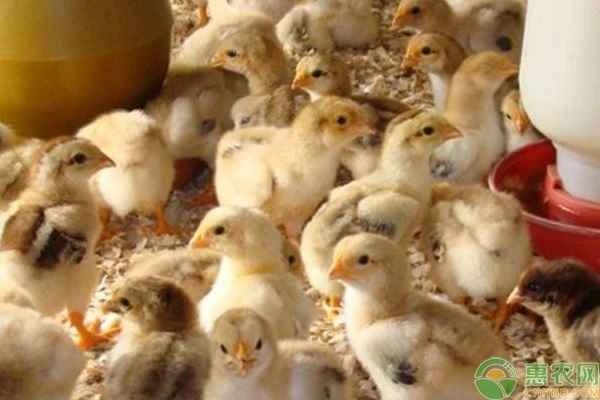
Drooping wings in chicks are a sign of pullorum disease, an extremely common infectious disease caused by Salmonella pullorum.
How to prevent chicks from having droopy wings?
1. Strengthen brooding management
Strengthen feeding management and hygiene during the brooding stage, requiring a dry environment, stable temperature, moderate density, clean utensils, and a reasonable feed formula.
2. Monitor the temperature carefully.
Low or fluctuating brooding temperatures are a major cause of Salmonella infection, so temperature control must be strictly enforced during the brooding period. Theoretically, the temperature should reach 34-35℃ in the first week, and then decrease by 2℃ each week thereafter.
3. Pay attention to the selection of introduced species.
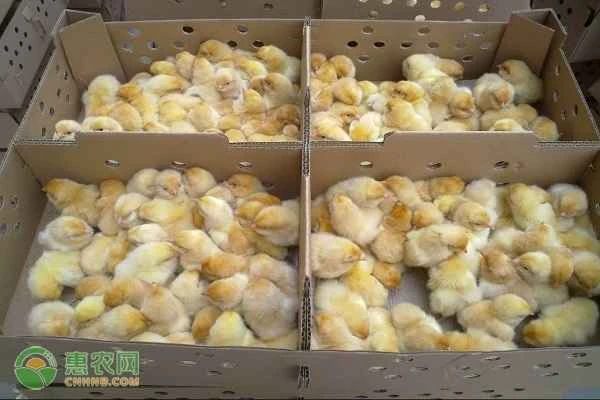
Because egg transmission plays a dominant role in the spread of this disease, hatching eggs or chicks should only be introduced from flocks known to be free of pullorum disease, or at least from breeder flocks with known low positivity rates. Furthermore, fumigation of incubators and hatchers with formalin can reduce the spread of fowl pullorum.
4. Supplement the chicks' nutrition
Sick chickens may exhibit diarrhea and dehydration, so it's essential to replenish their fluids and nutrients promptly. Provide them with clean drinking water and add a supplement like "Vitamin & Mineral Extract" to the water; this supplement is rich in vitamins and minerals to replenish lost fluids and nutrients.
5. Administer medication.
You can add 200-400 mg of furazolidone (2-4 tablets) per kilogram of feed, mix well, and feed to the chickens for 7 consecutive days, stop for 3 days, and then feed for another 7 days. Alternatively, you can administer 200 mg of oxytetracycline (or chlortetracycline, tetracycline) per kilogram of chicken body weight (each tablet contains 250 mg), or add 2-3 grams of oxytetracycline (8-12 tablets) per kilogram of beverage, mix well, and feed to the chickens for 3-4 consecutive days.