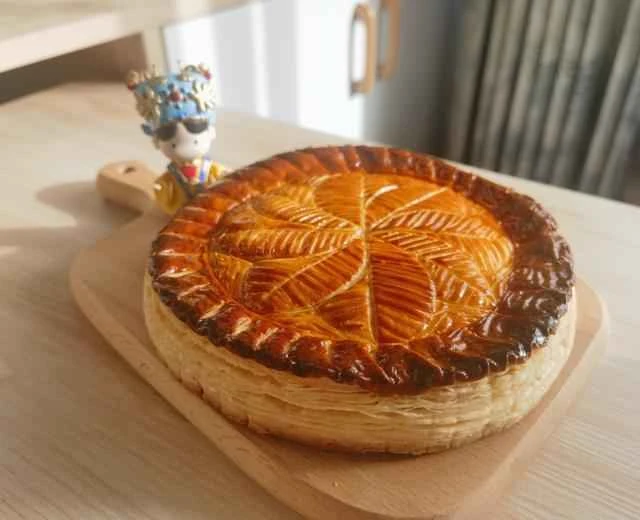
A pancake approximately 18cm in diameter.
Materials
King Cake Recipe Steps
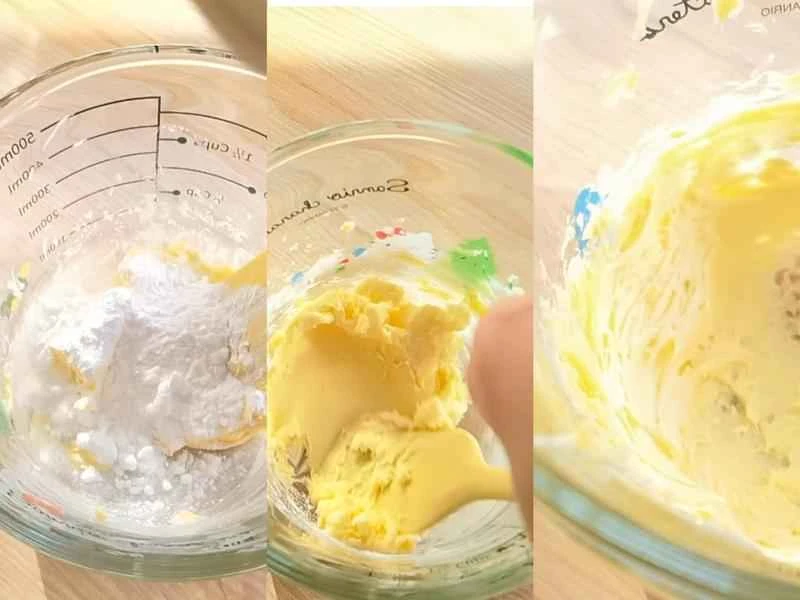
Filling: Soften butter at room temperature, add powdered sugar and mix briefly to prevent splattering. Beat with an electric mixer until fluffy, pale, and feathery.
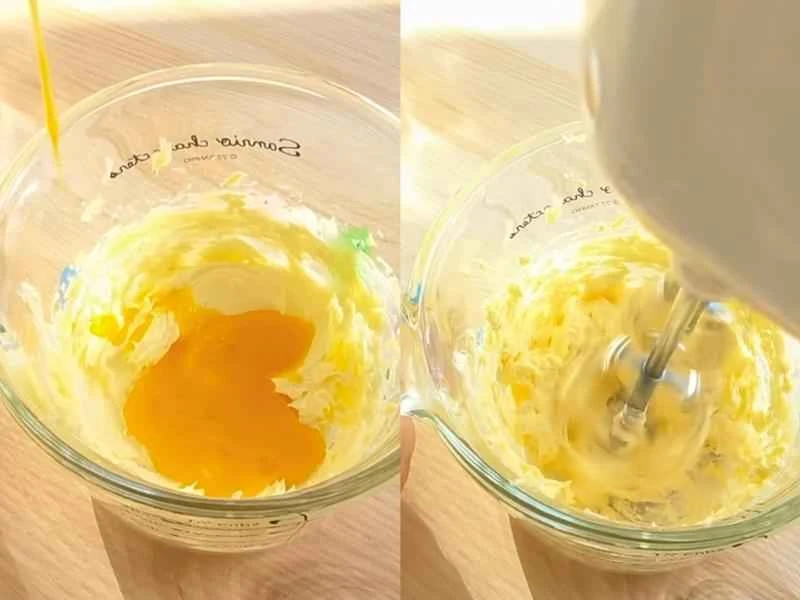
Add the room temperature whole egg liquid in 3 batches. Beat well after each addition before adding the next batch.
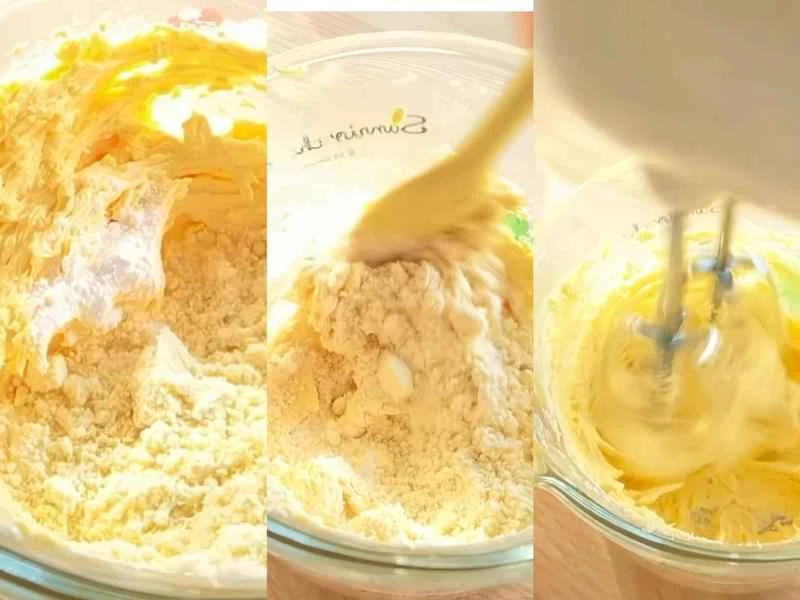
Add cornstarch and almond flour, press and mix slightly until combined.
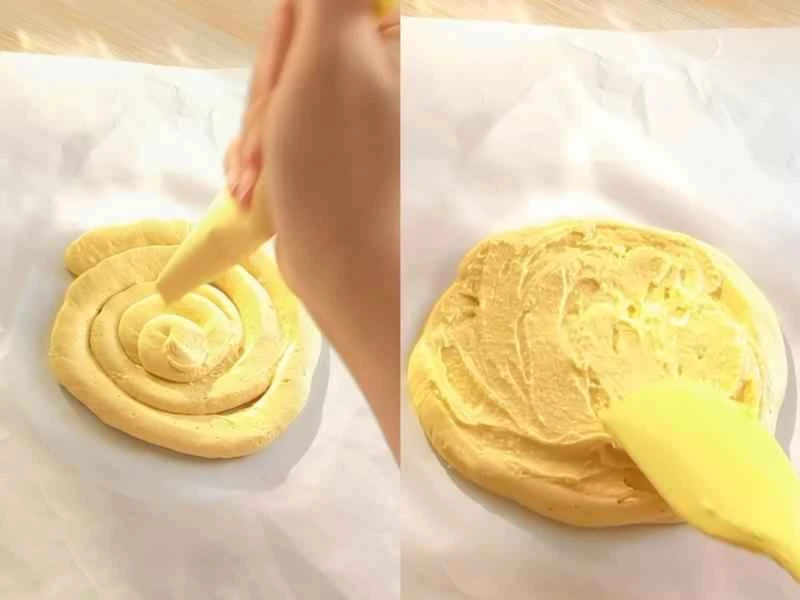
Transfer the filling to a piping bag. Pipe out circles approximately 16cm in diameter. Smooth the surface slightly and freeze until ready to use. Bring to room temperature before use!
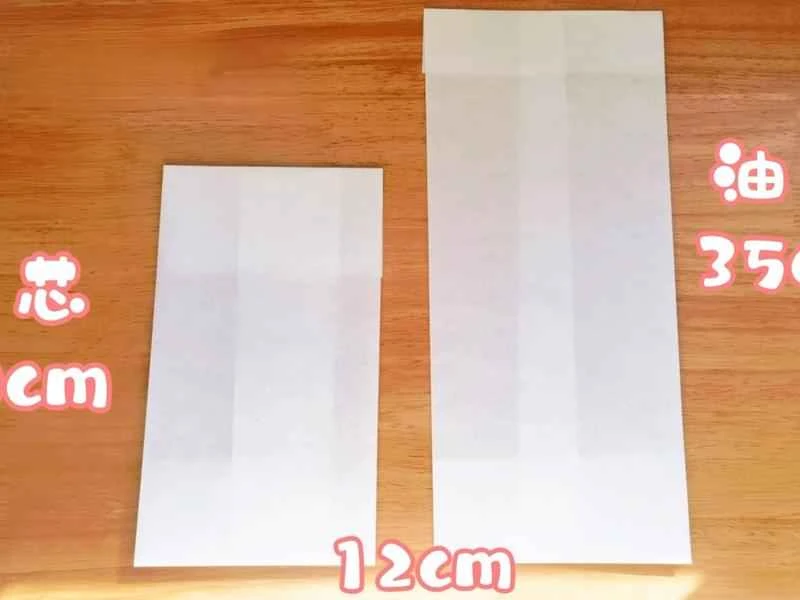
Cut two sheets of parchment paper. Dough core: 20*12cm; Dough sheet: 35*12cm
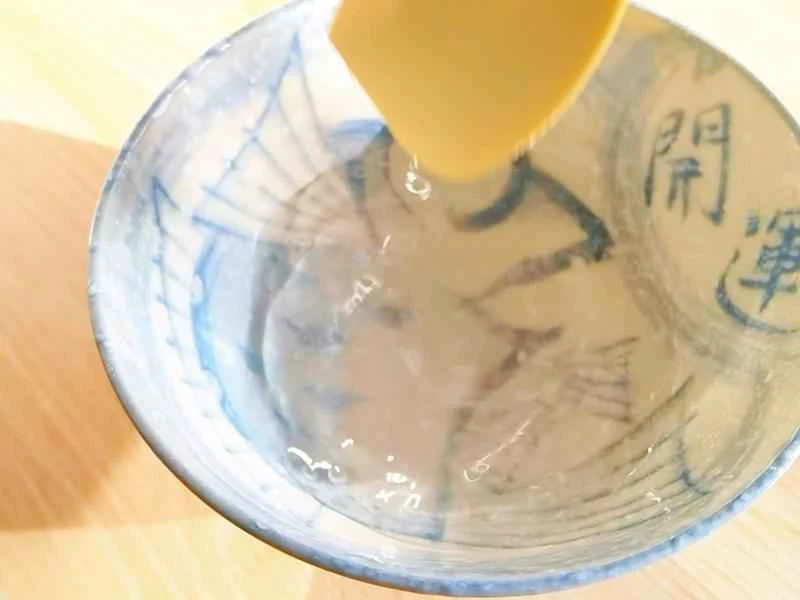
For the dough: Mix water, white vinegar, salt, and sugar until dissolved. Refrigerate until ready to use.
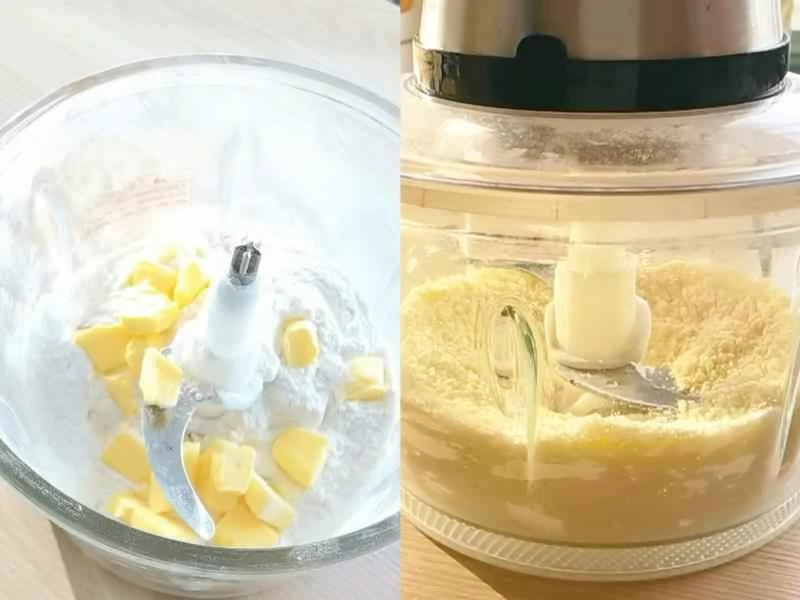
Take the chilled butter out of the refrigerator and cut it into small pieces. Add the all-purpose flour and butter pieces to a mixer and beat until it resembles coarse sand.
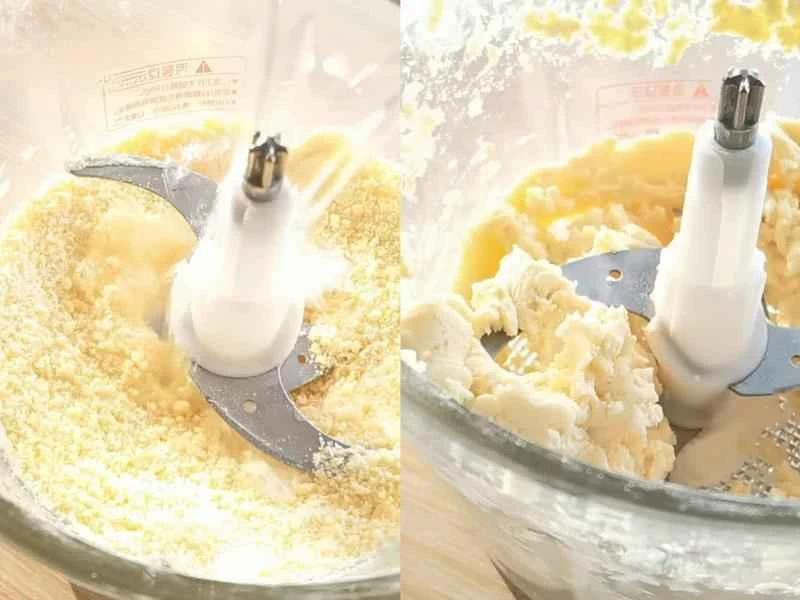
Add liquid and beat until roughly formed into a ball.
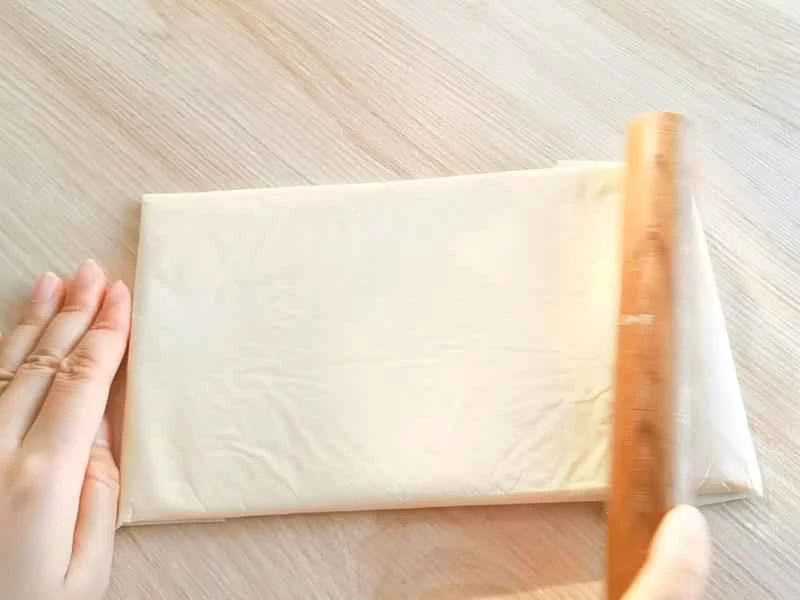
Transfer to parchment paper and roll out. Refrigerate until ready to use.
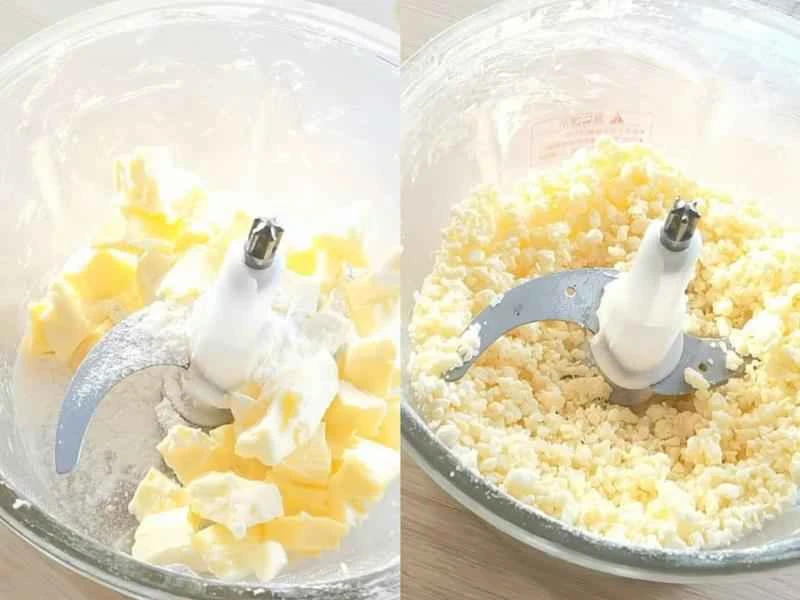
For the dough: Beat chilled butter with all-purpose flour until coarse crumbs form.
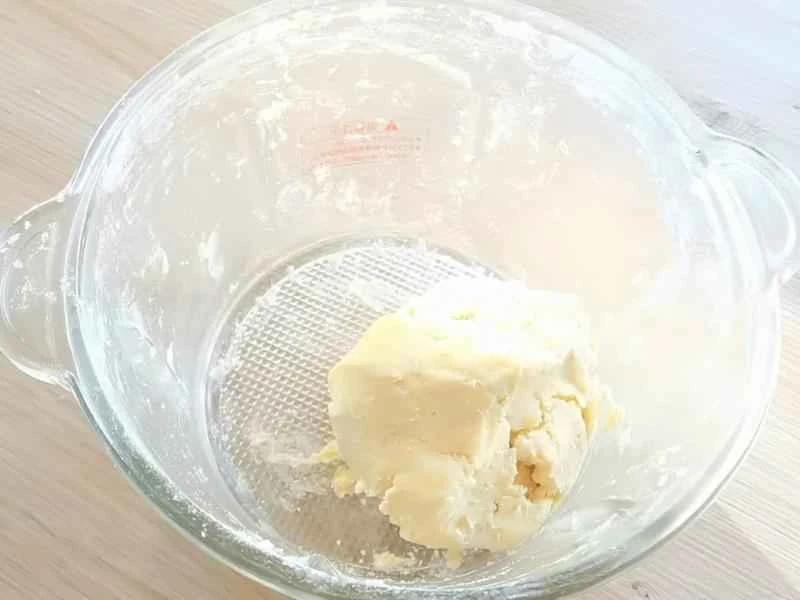
Take out the blade! Knead it into a ball.
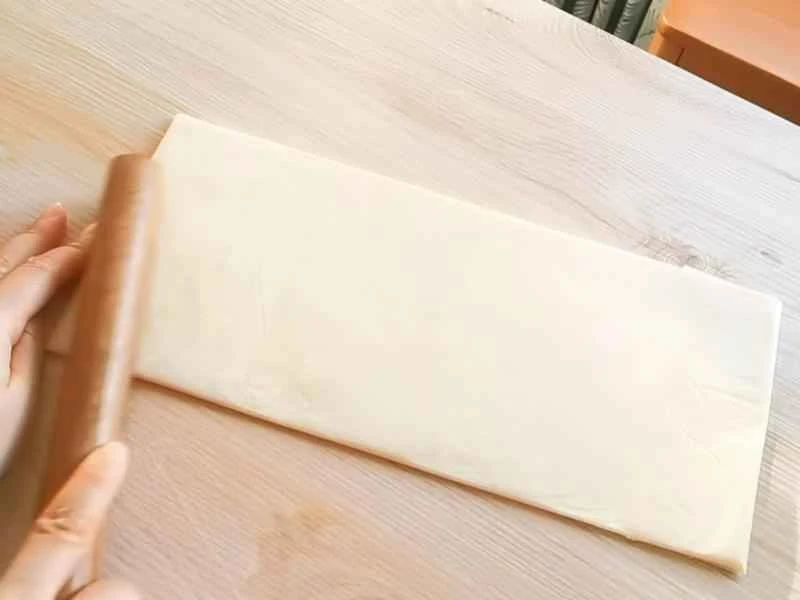
Transfer to parchment paper and roll out. Refrigerate for about 30 minutes.
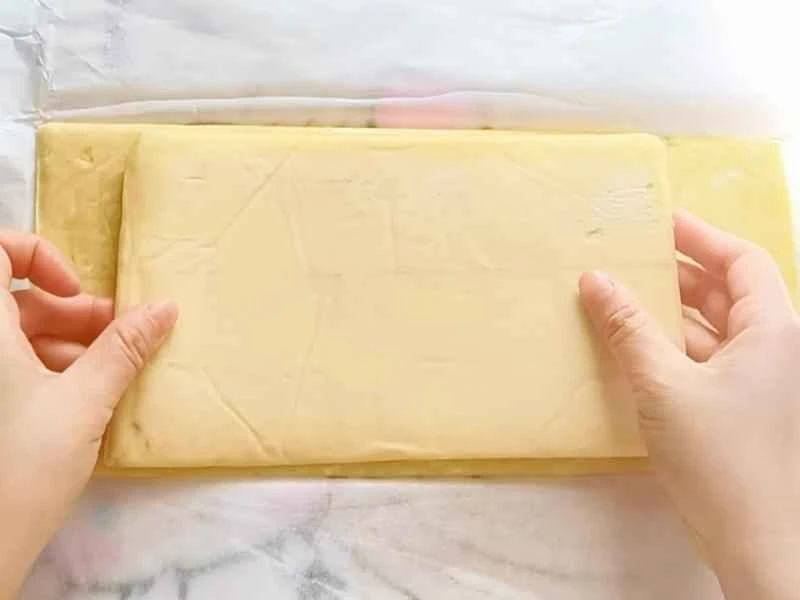
The oily leather should be placed slightly to the left, with the filling on top.
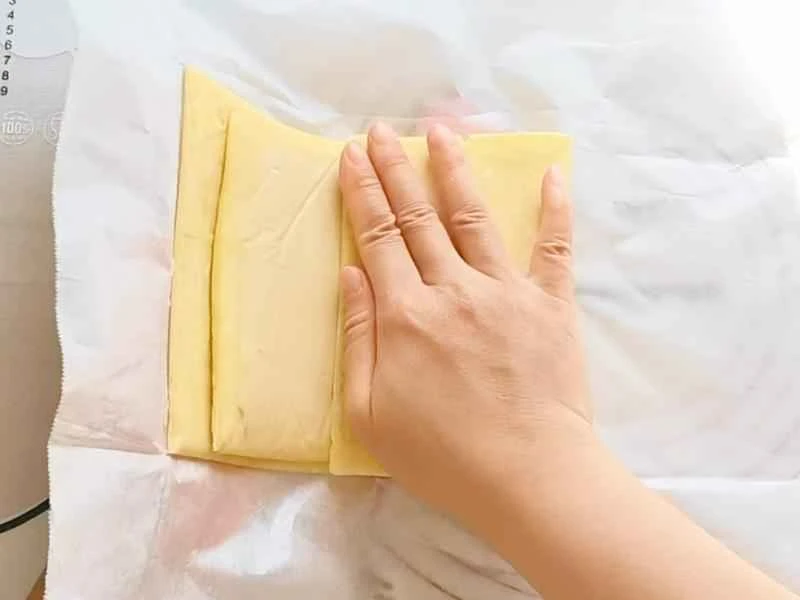
Three folds.
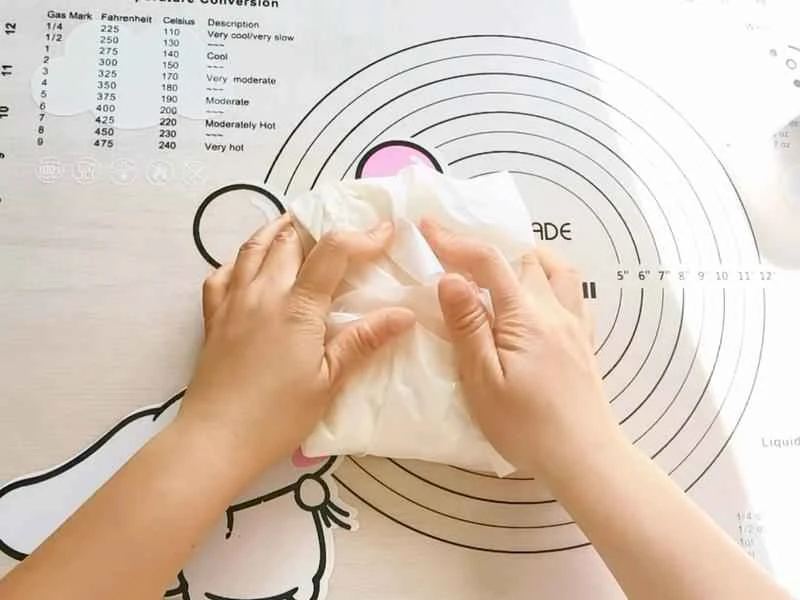
Wrap it in parchment paper and refrigerate for 2 hours, or overnight.
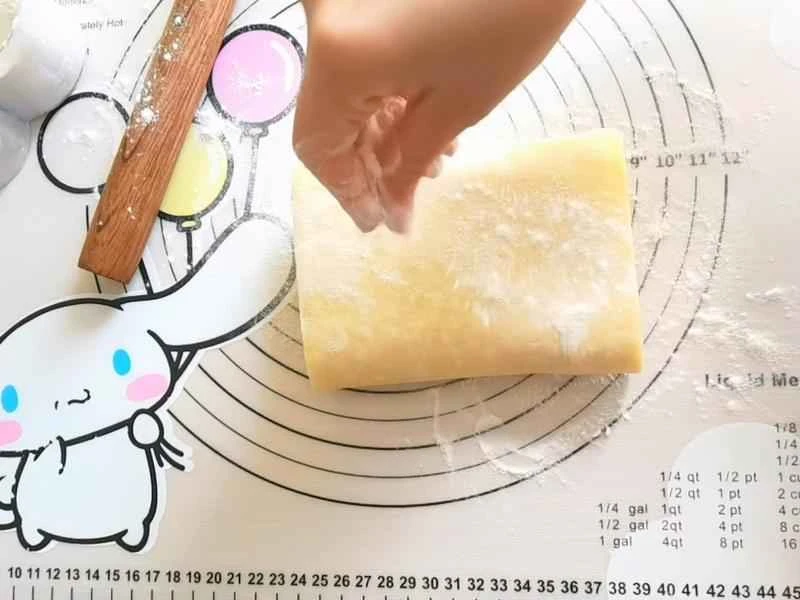
Remove and sprinkle with powder.
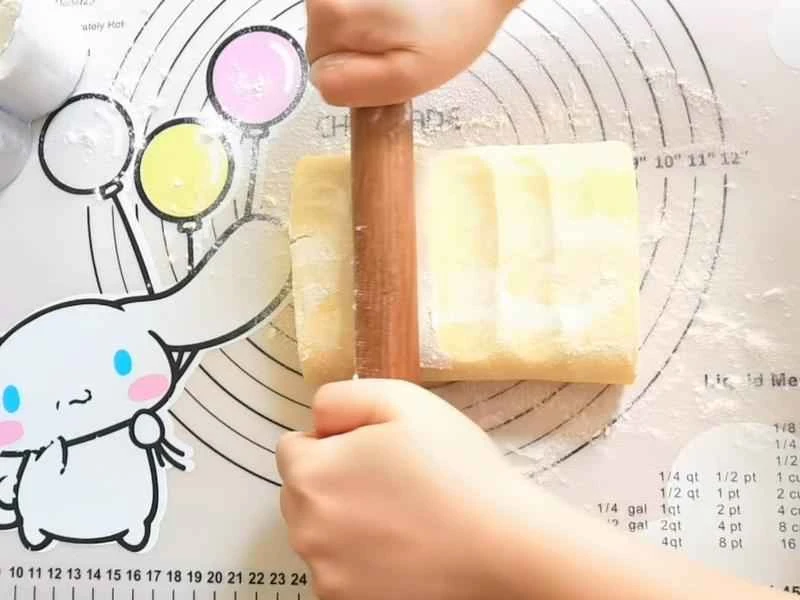
Use a rolling pin to press and pound.
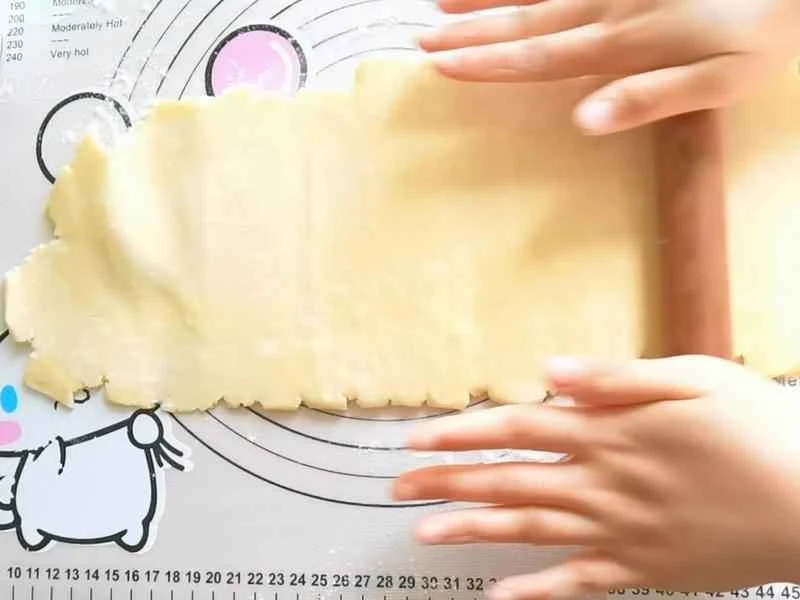
Roll it out to about 40cm long.
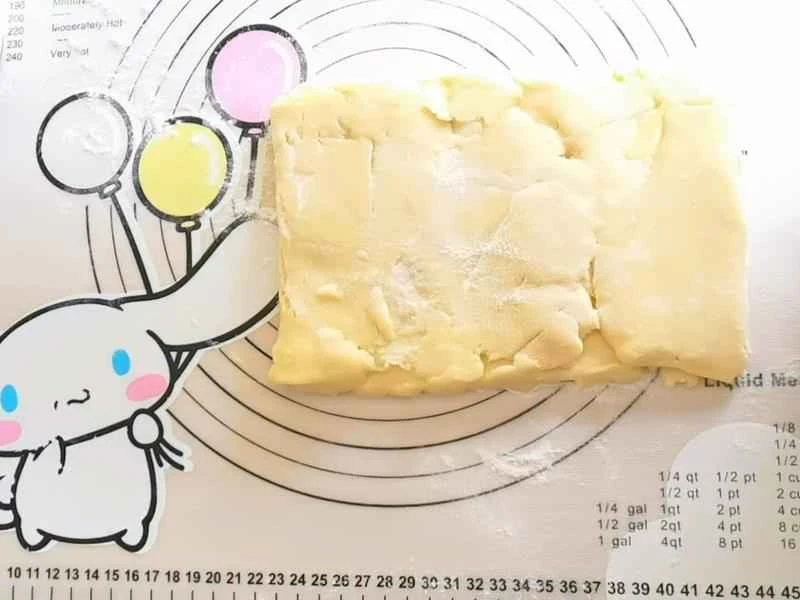
Fold 1/4 on the right side and 3/4 on the left side. Fill in the gaps slightly to make it complete.
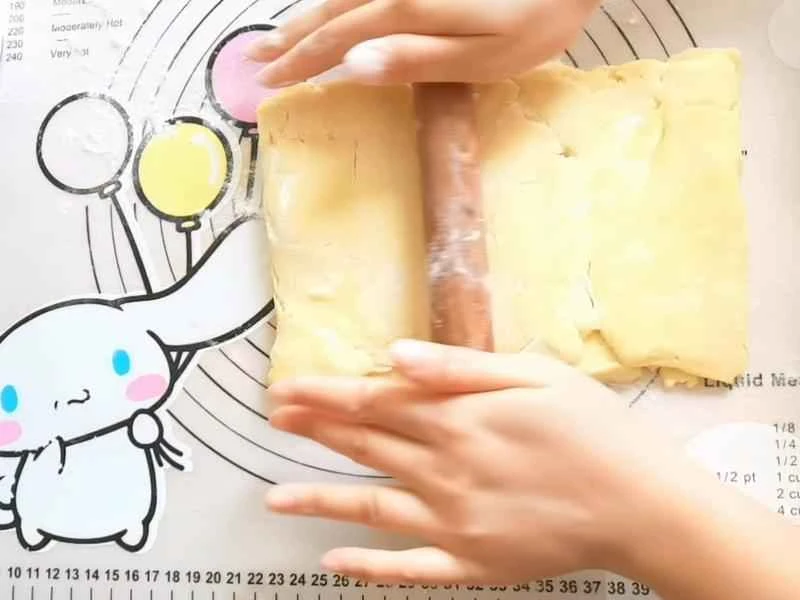
Sprinkle with flour and roll out slightly.
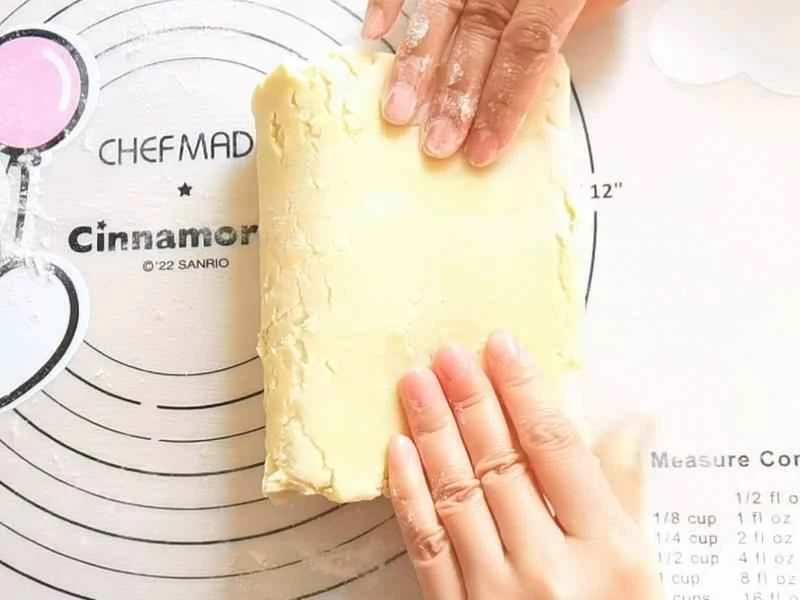
Fold in half.
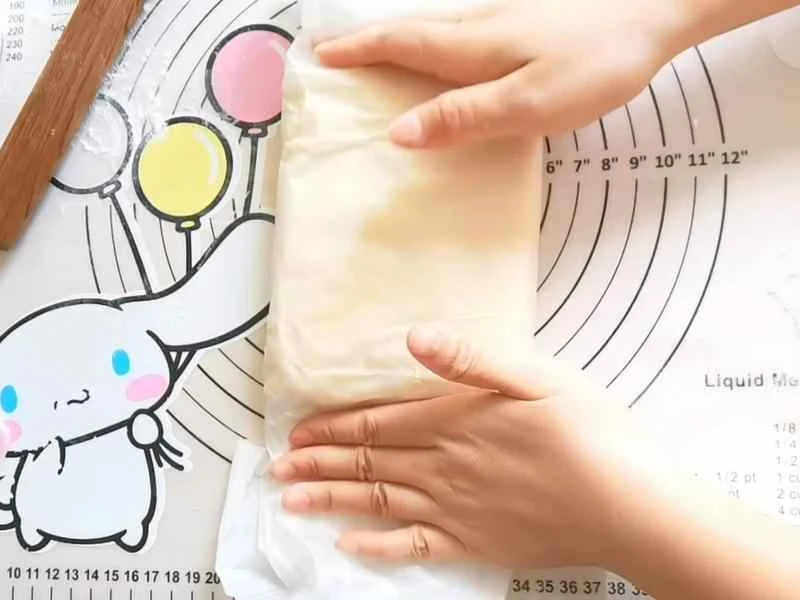
Wrap it up and refrigerate for about 2 hours.
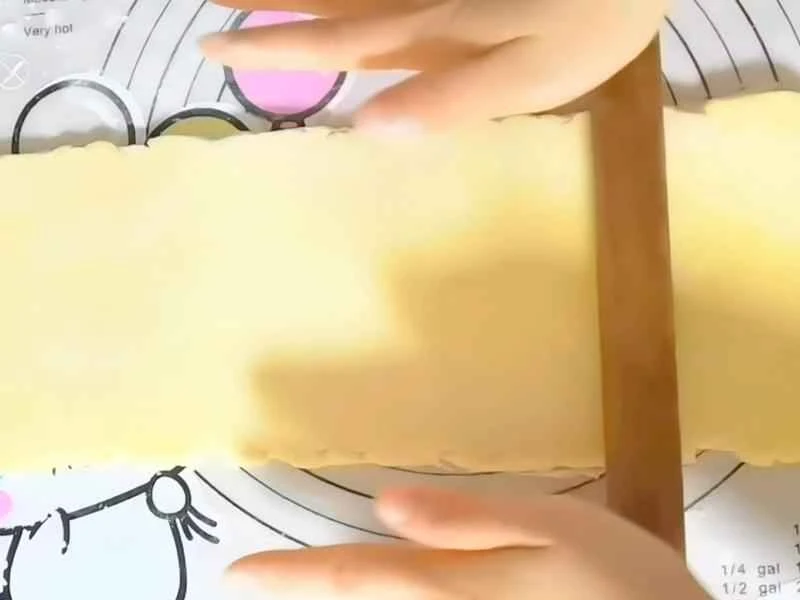
Roll it out a second time to about 4mm thick.
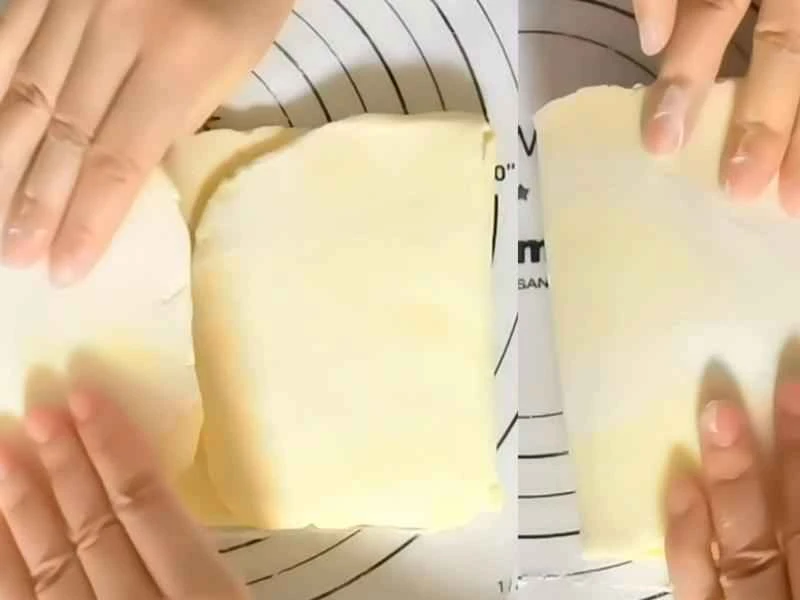
Fold twice. Wrap well and refrigerate for about 2 hours.
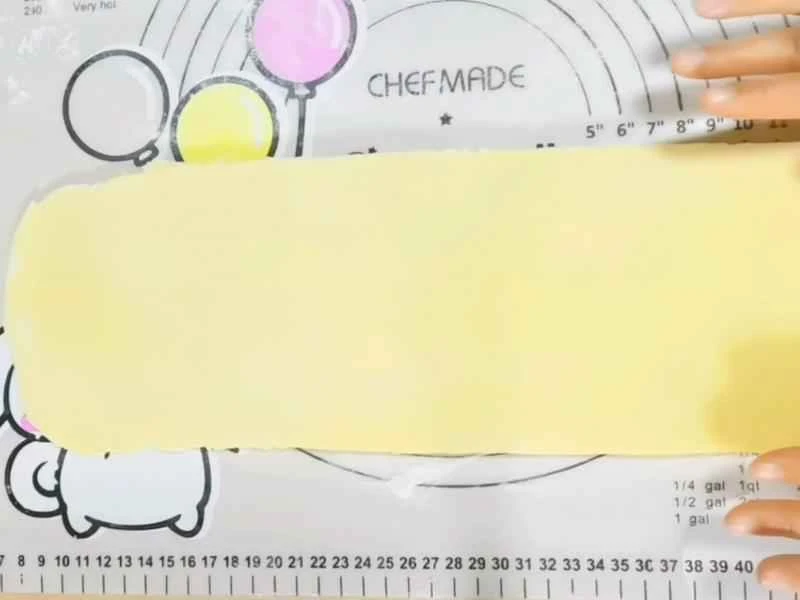
Roll it out a third time to about 3mm thick.
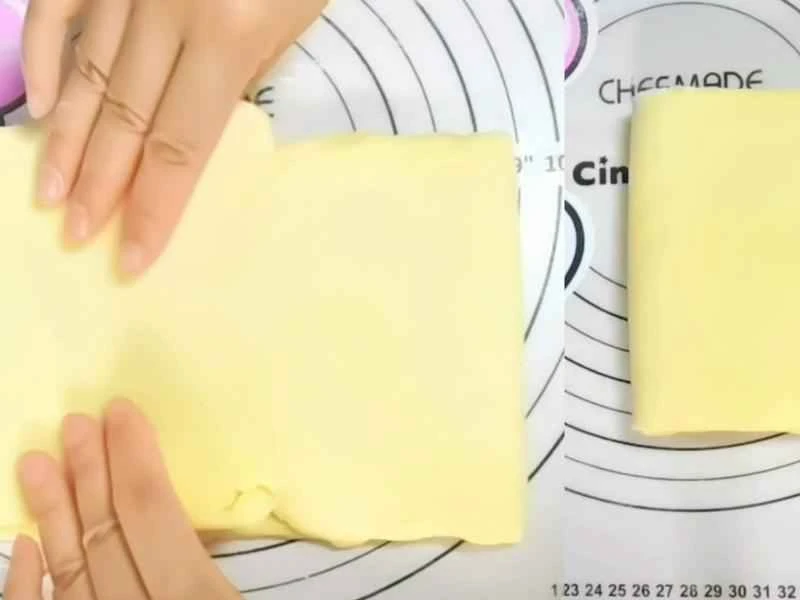
The third fold is four times. Beginners are advised to do it one more time, making a total of four folds (4 times each), because the first time you open the puff pastry might be a bit messy, and doing it twice ensures there are enough layers!
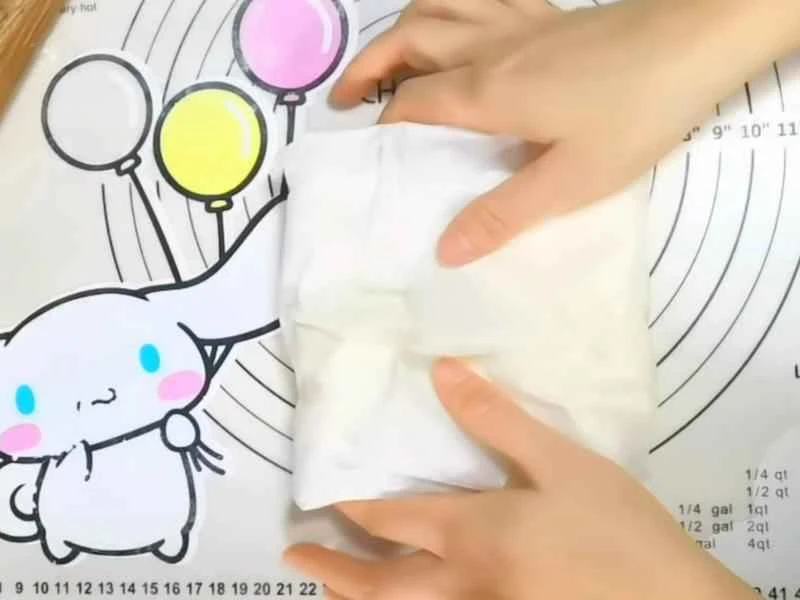
Wrap it up and refrigerate for at least 2 hours or overnight.
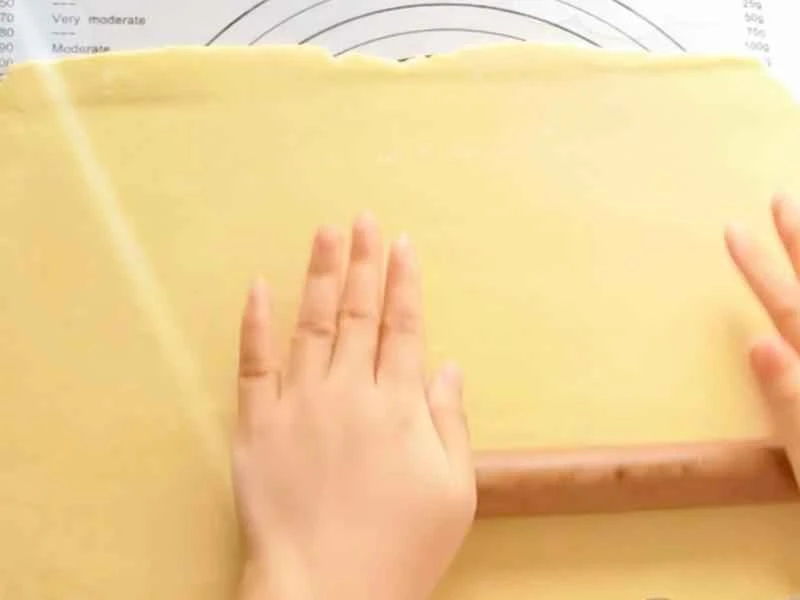
Roll it out. Approximately 22*42cm, about 3mm thick. Do not exceed 5mm thickness!
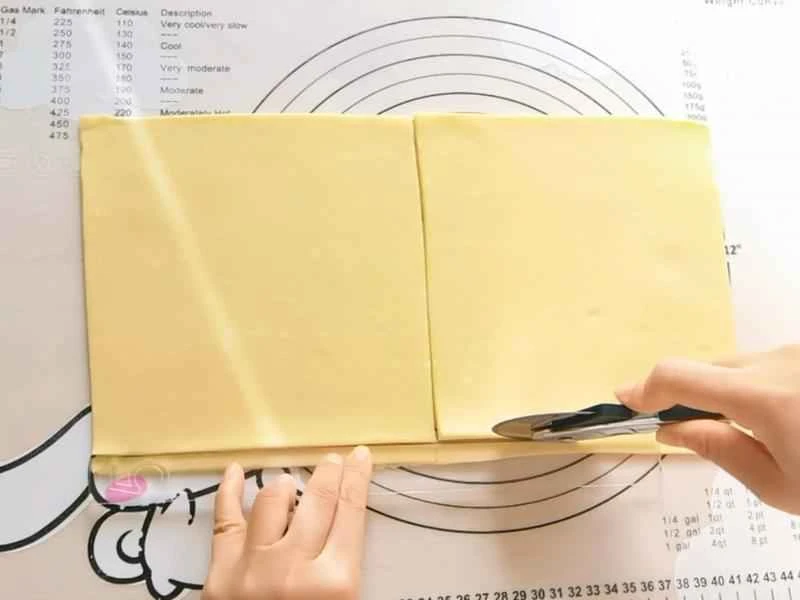
Using a pizza cutter, cut out two squares approximately 20*20cm along the ruler.
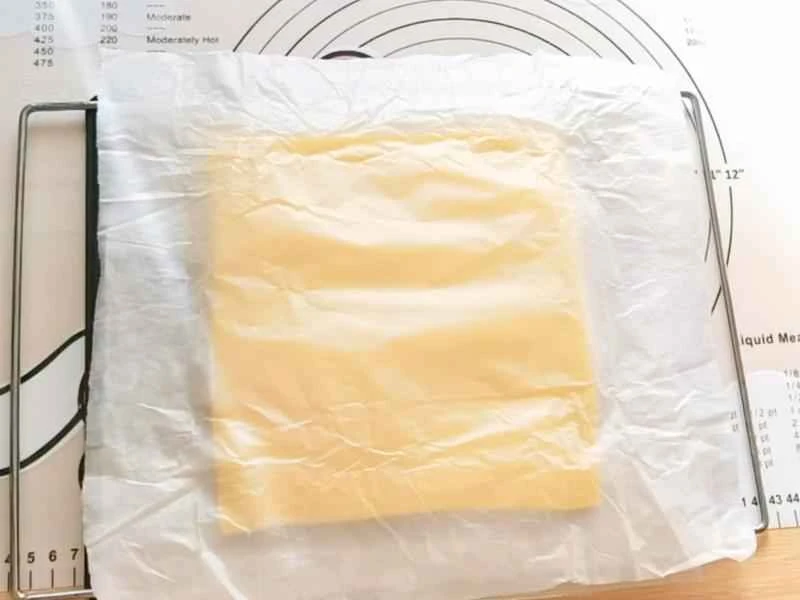
Line the back of a baking sheet with a silicone mat or parchment paper, and place one sheet of dough on it. Place another sheet of dough on parchment paper, and then place the second sheet of dough in the same direction, making sure they are aligned! Cover the top with parchment paper. Refrigerate for about 30 minutes.
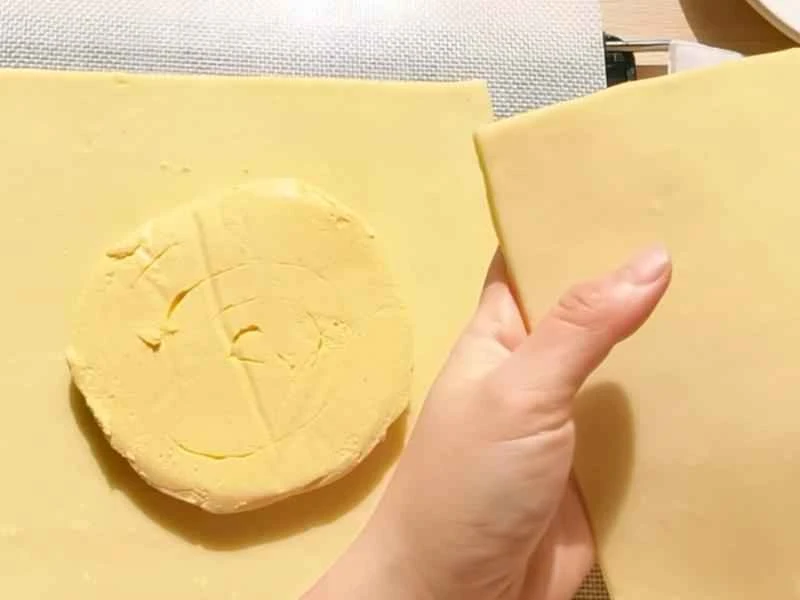
Place the thawed filling on one sheet. Place the other sheet on the right, lightly spray with water, and rotate 90 degrees! Then cover it. Because the dough will expand and stretch after baking, rotating it helps to keep the two sheets in check and balance each other, resulting in a rounder final product.
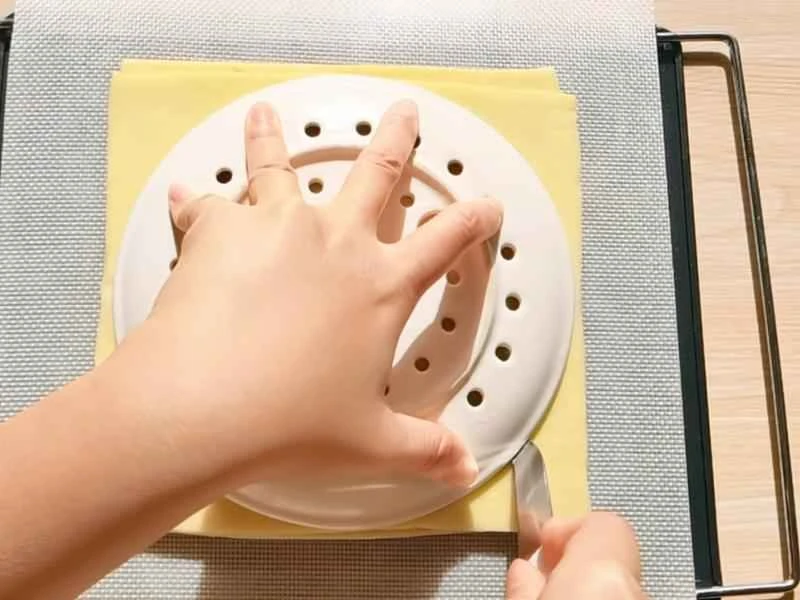
Place a plate with a diameter of about 18cm on top. Carve out a circular blank along the edge.
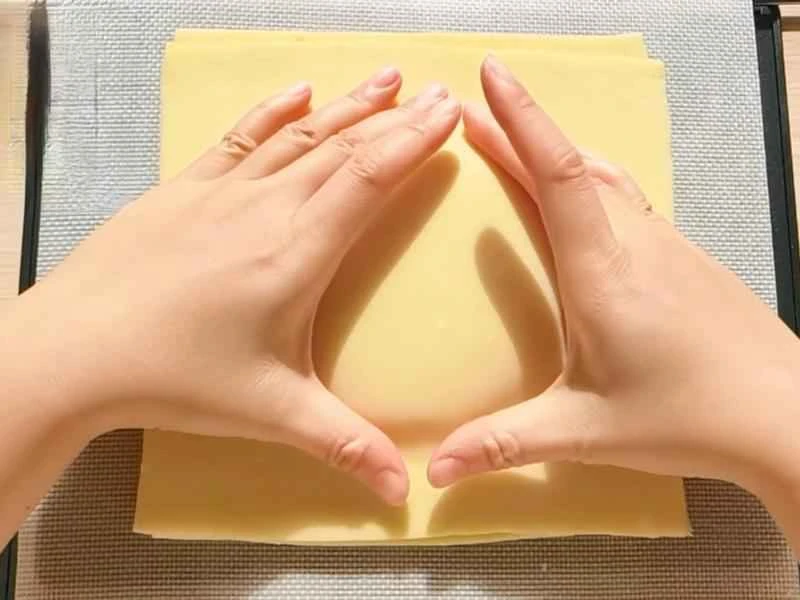
Press and adhere the filling.
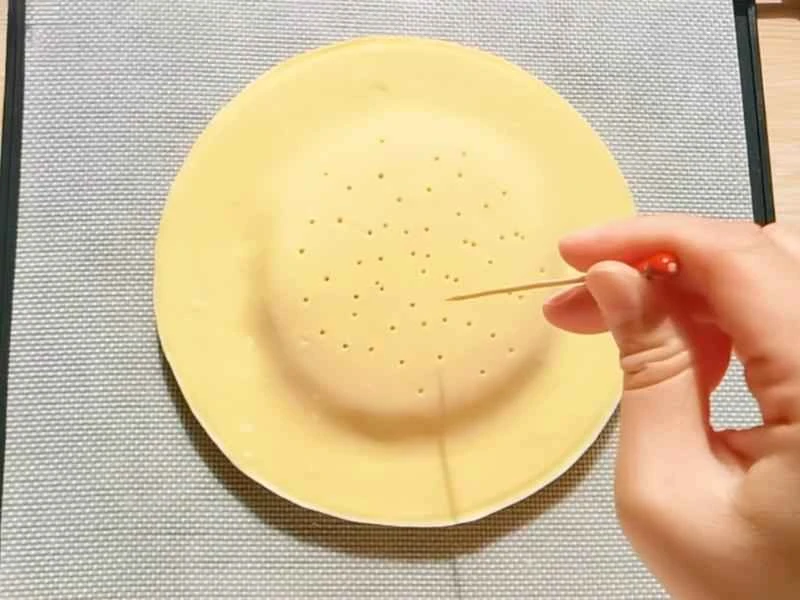
Use a toothpick to poke holes to prevent over-expansion during baking.
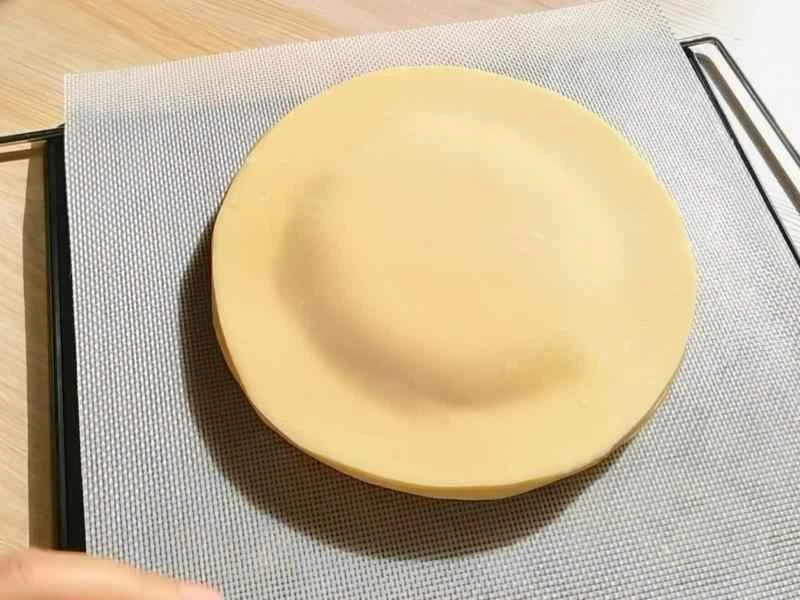
Flip it over.
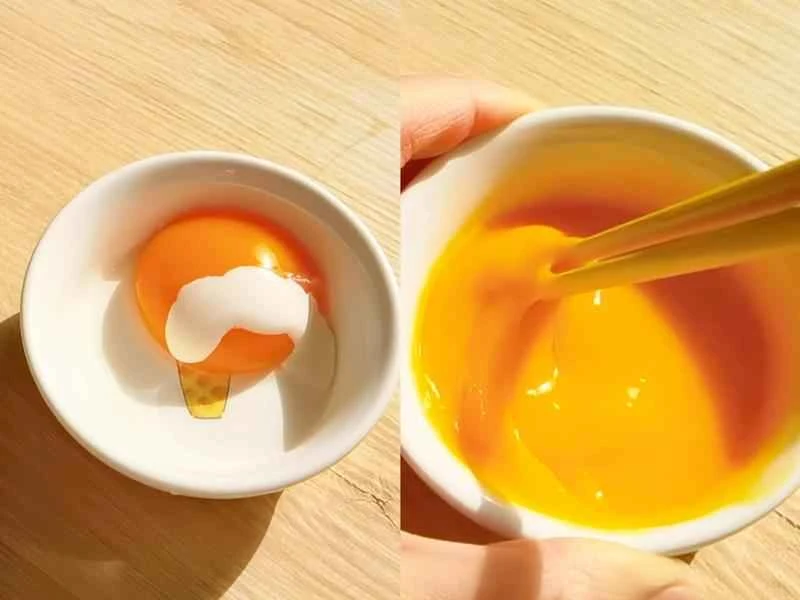
Add egg yolks and heavy cream, and mix well. It's best to strain the mixture once to prevent lumps from forming.
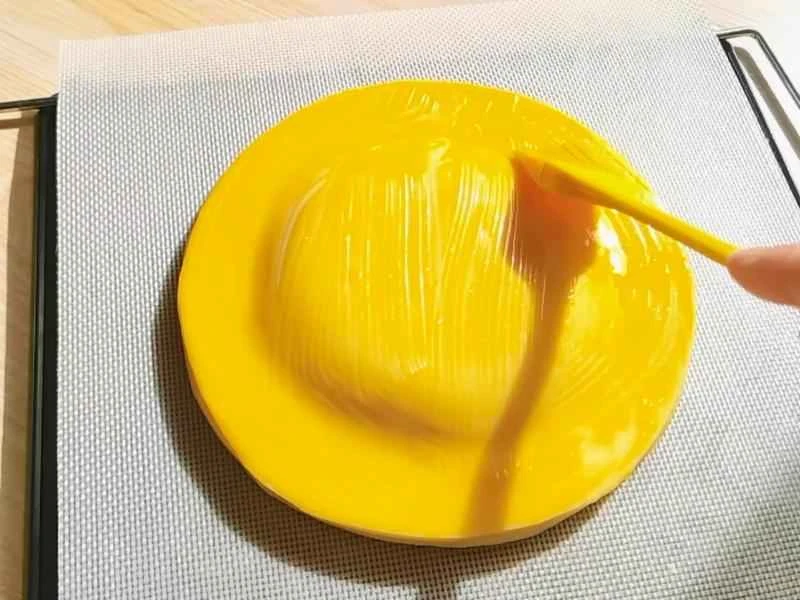
Brush with egg wash. Refrigerate for about 10 minutes.
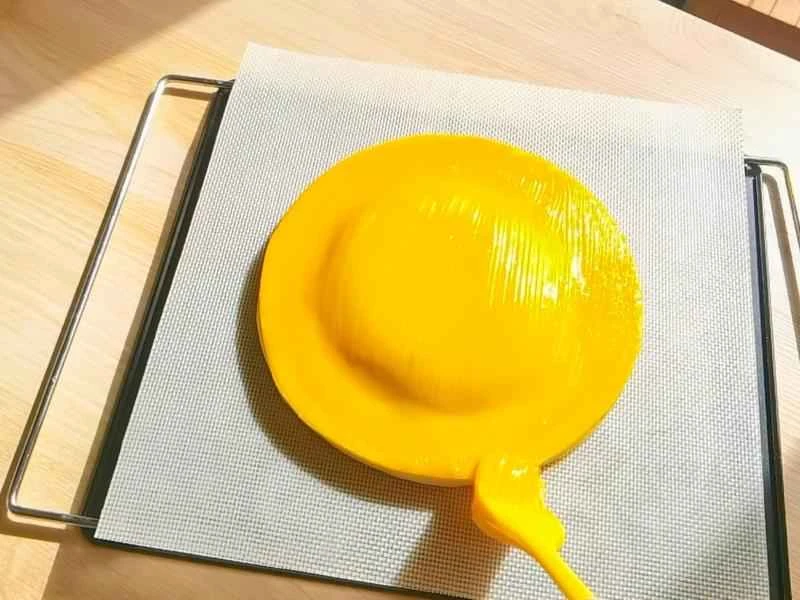
Remove and coat with a second layer of egg wash. Refrigerate for another 10 minutes.
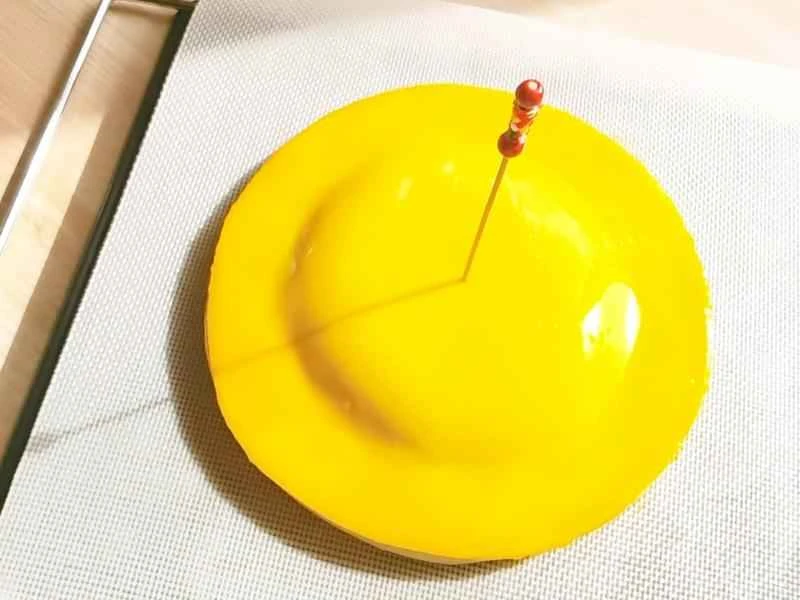
Use a toothpick to locate the center.
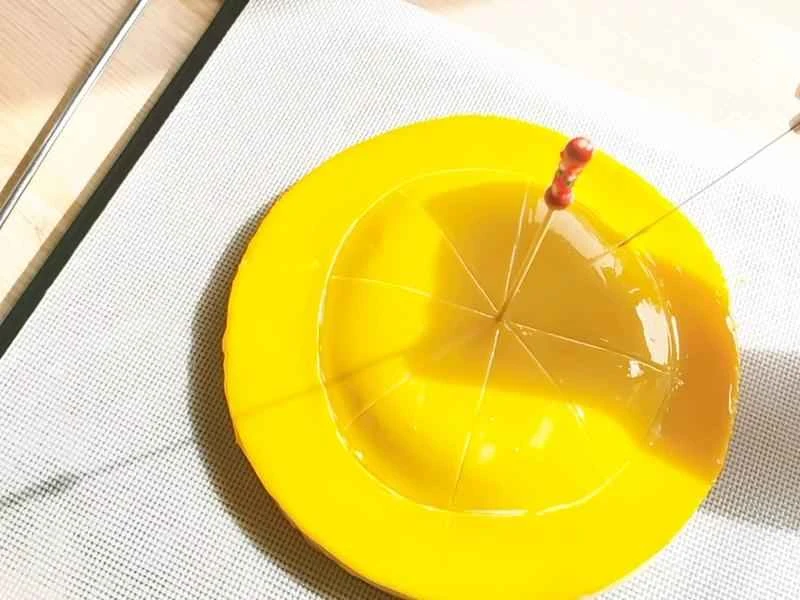
Use the back of the knife! Because you only need one pattern, not a tear. Carve out the general outline. First, divide it into 8 sections.
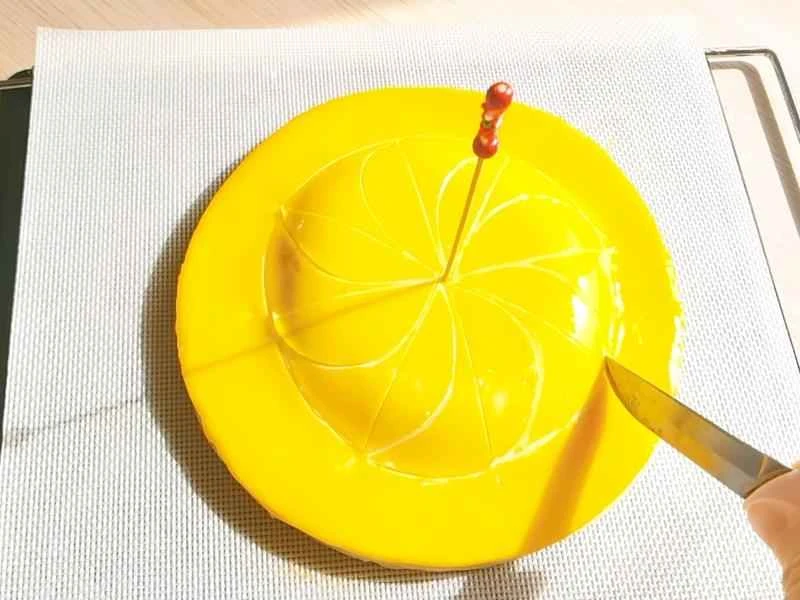
In each cell, draw one side of a leaf (semicircle).
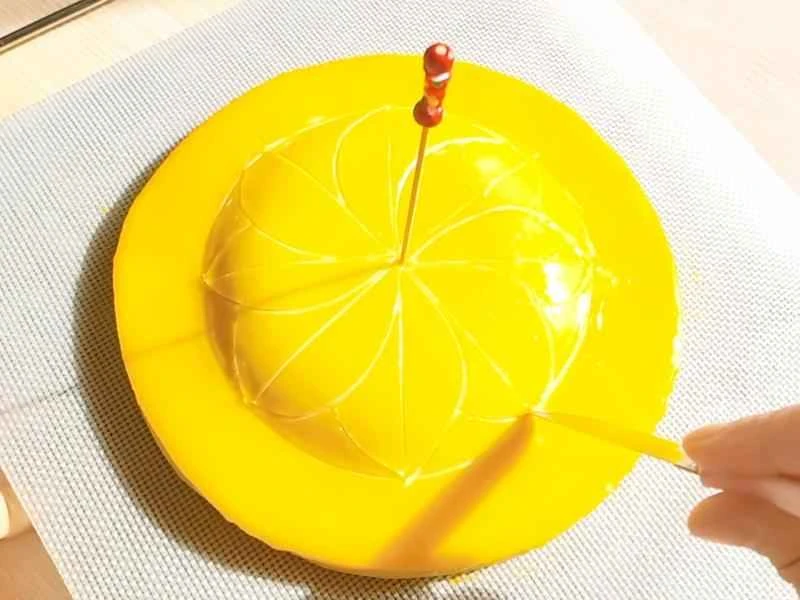
Slide the other side of the leaf.
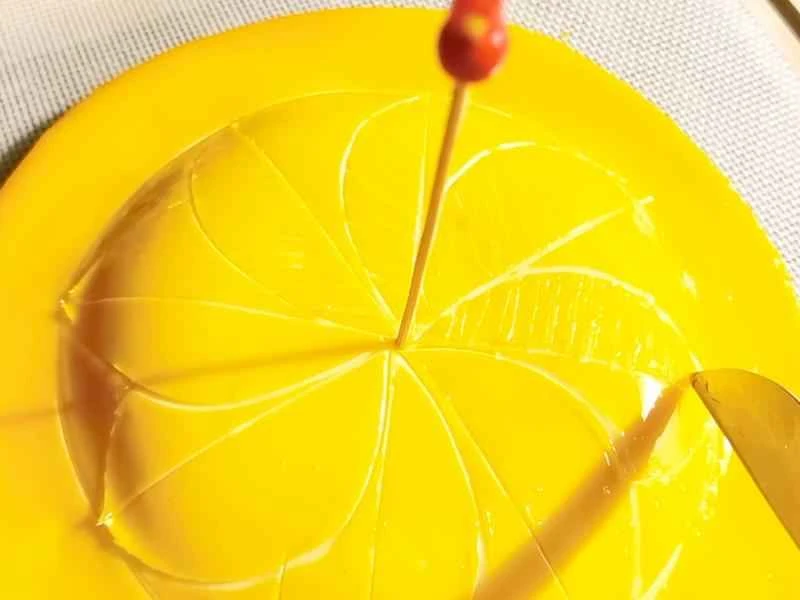
Use the tip of a knife! Because this part needs to have a slit. Draw the veins of one side of the leaf.
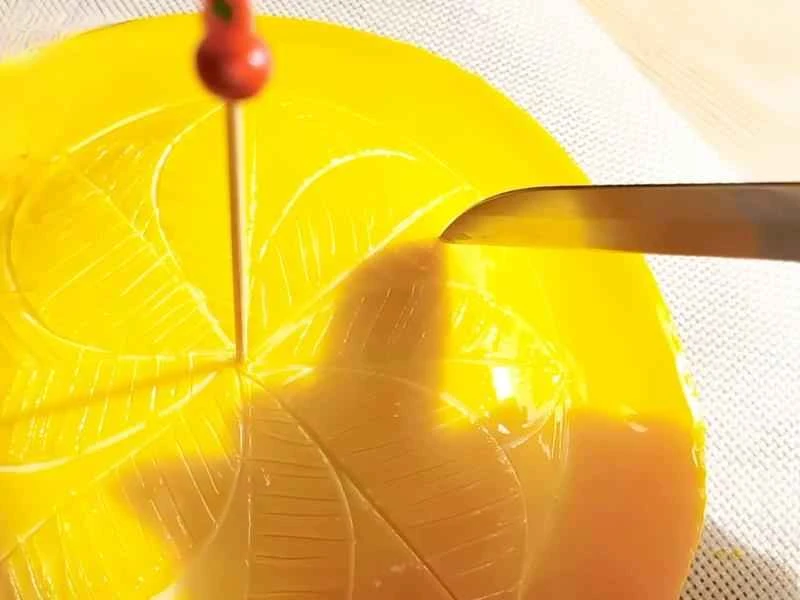
Draw the veins on the other side of the leaf.
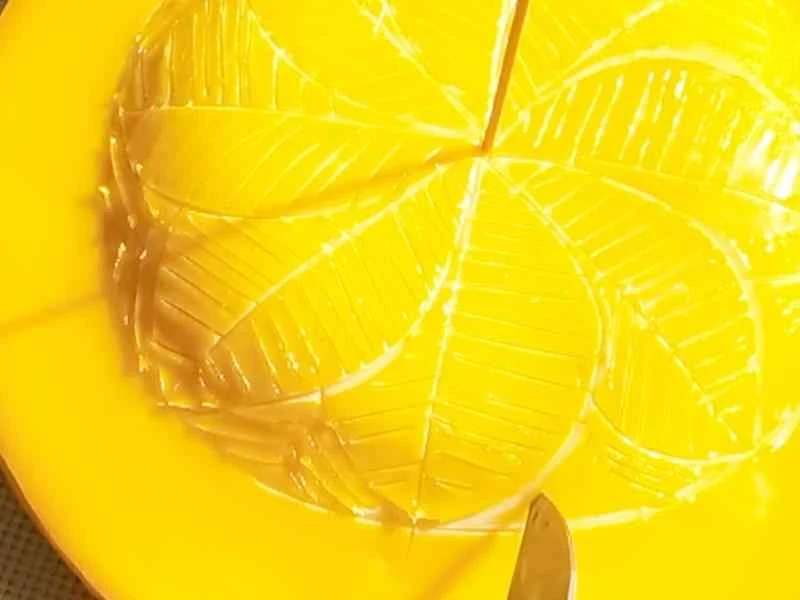
Draw three arcs on one side within the interval.
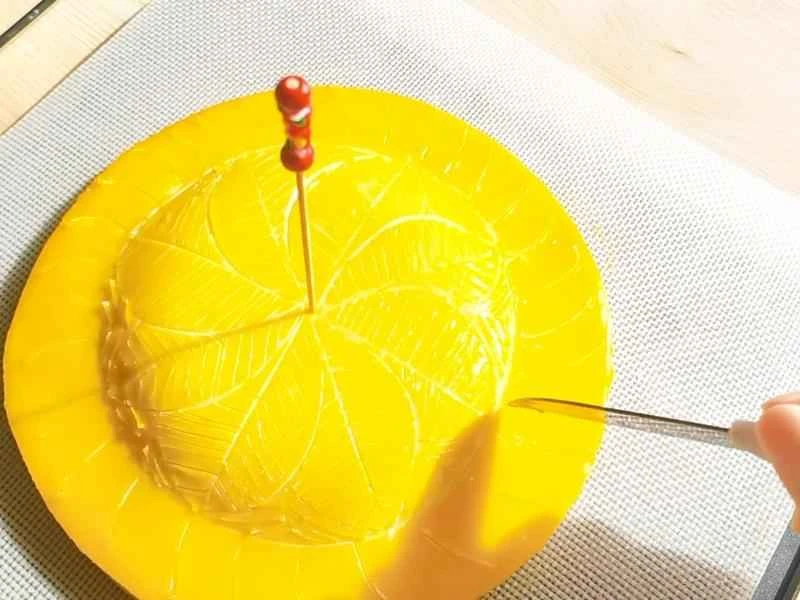
Draw an arc around the edge to help dissipate pressure on the dough.
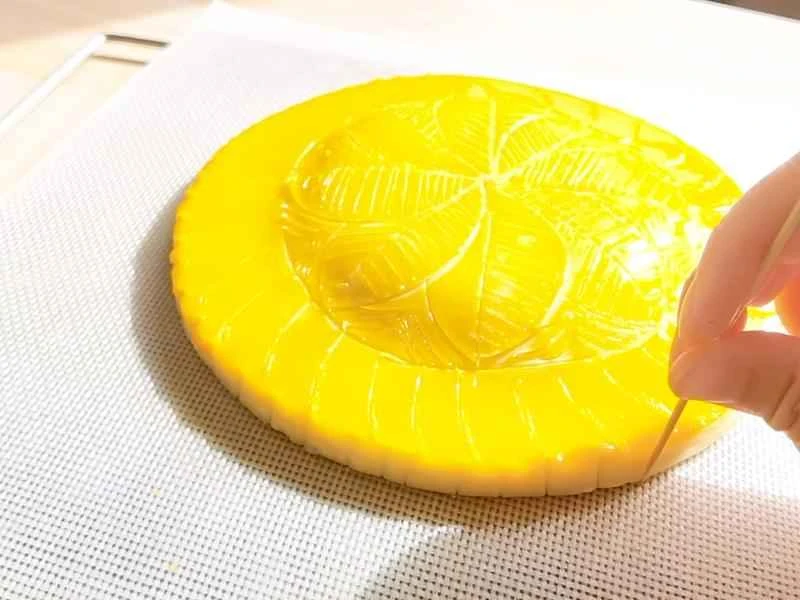
Press around the edge with a toothpick to help the sheet adhere.
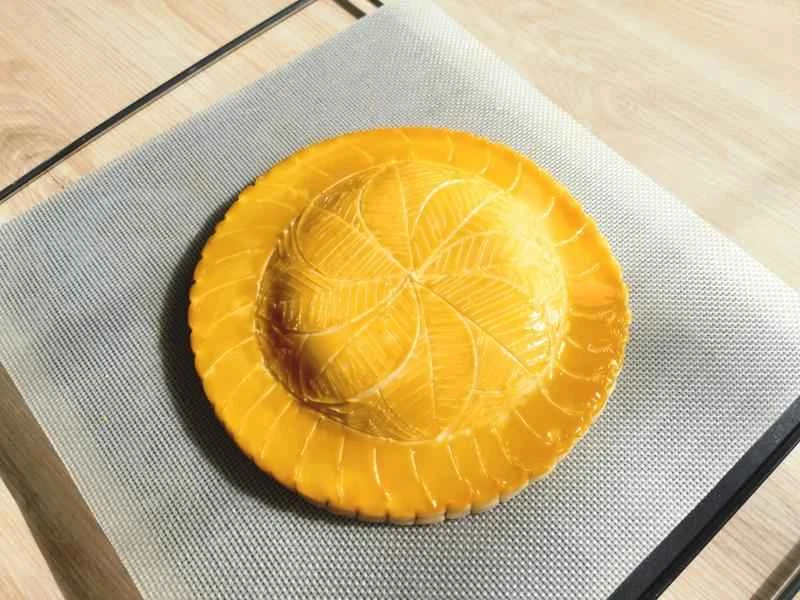
All marked!
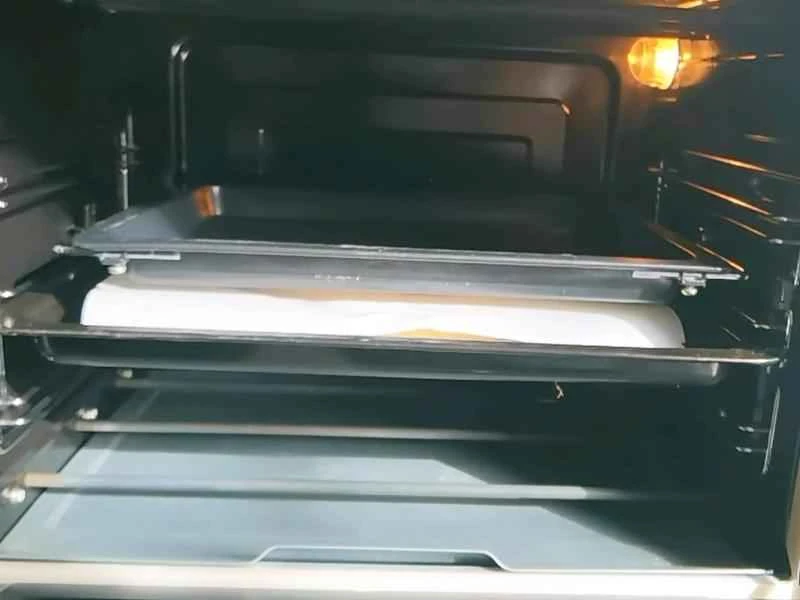
Bake in a preheated oven at 200℃ (390°F) for about 20 minutes. This time is not fixed; bake until the center has risen. Remove from the oven. If the rise is uneven and the cake is slightly crooked, use a small knife to poke around the edges to release some air, resulting in a smoother finish. Cover the surface with parchment paper and place a baking sheet on top. Reduce the temperature to 170℃ (340°F) and bake for another 20 minutes or so. Remove the baking sheet and adjust the baking time according to your desired browning level.
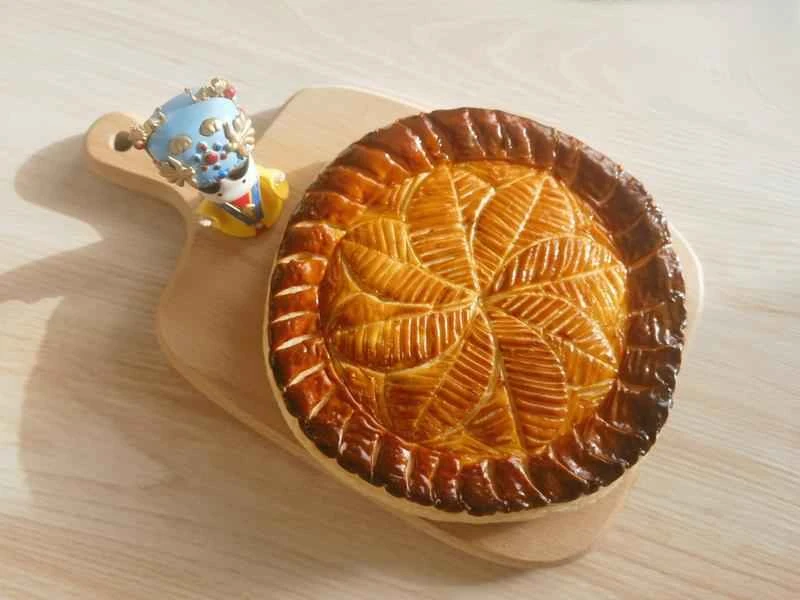
It's baked!
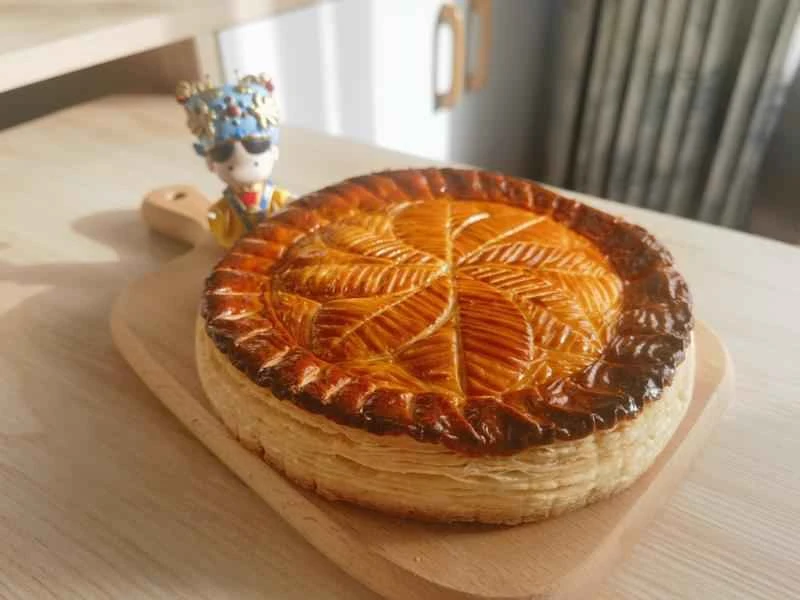
The side profile has a nice layered look.
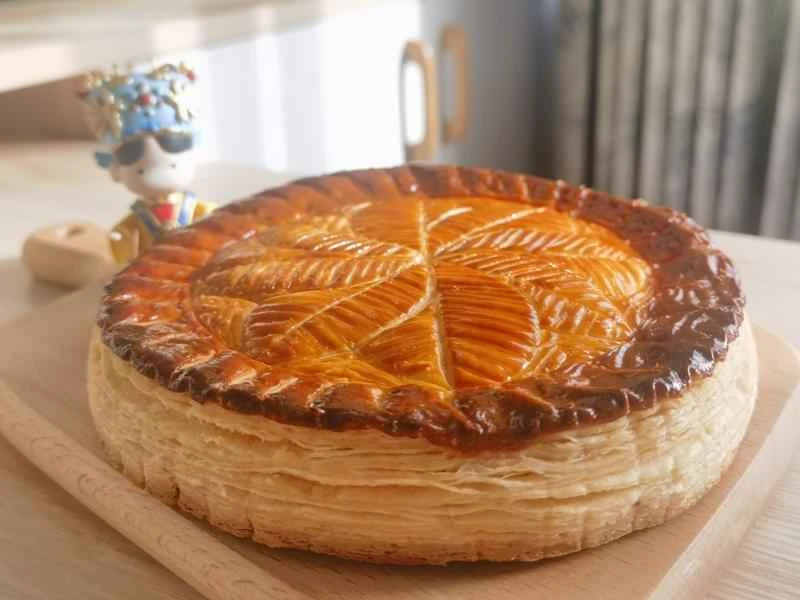
👑
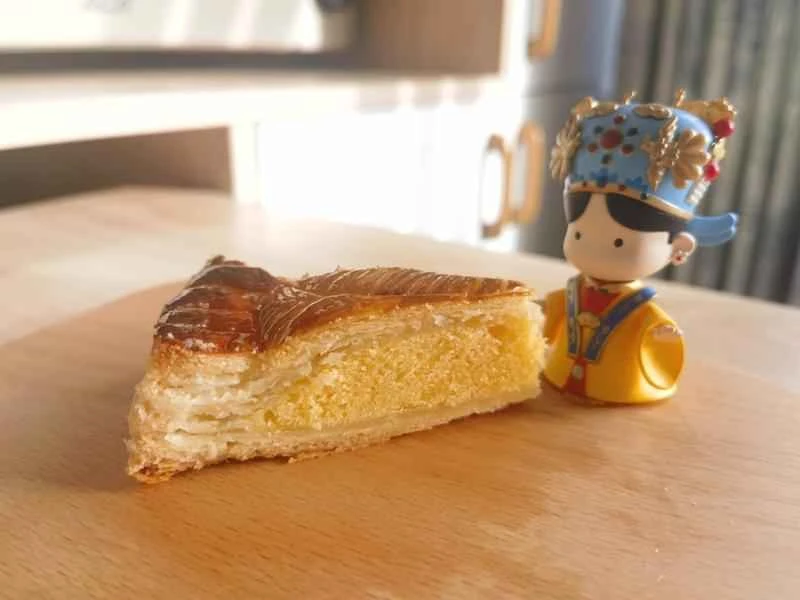
A common problem with manually made puff pastry is that the bottom layer is a bit dense, but it doesn't affect the taste. It's quite crispy when eaten fresh, but a bit oily; it tastes better the next day.
Tips for King Cake
For beginners, I recommend making four 4-folds of dough. Refrigerating and relaxing the filling after each 4-fold is essential. The filling I made here was about 4cm shorter in diameter than the dough, which is suitable for beginners and prevents leakage during baking; the downside is that the larger edges result in a smaller center pattern, making it slightly less visually appealing.