People with a tendency to form keloids need to be especially careful when removing eye bags to avoid excessive scar tissue formation.
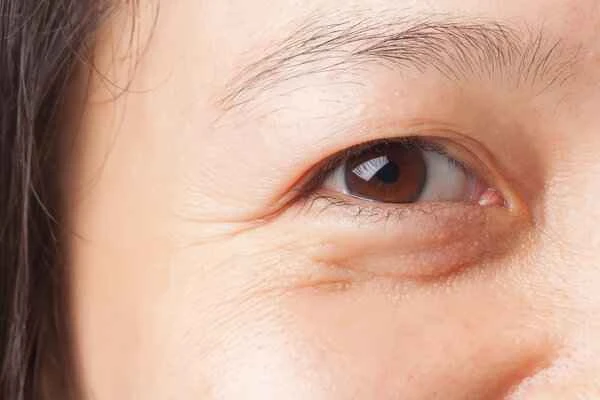
People with a tendency to form keloids are prone to developing excessive scar tissue after skin injuries, a phenomenon known as keloids or hypertrophic scars. The formation of eye bags is usually related to factors such as loose skin and fat accumulation, and surgical or non-surgical methods for removing eye bags may cause some trauma to the skin. People with a tendency to form keloids need to be particularly careful to avoid excessive scarring reactions that may be triggered during surgery or treatment when considering eye bag removal.
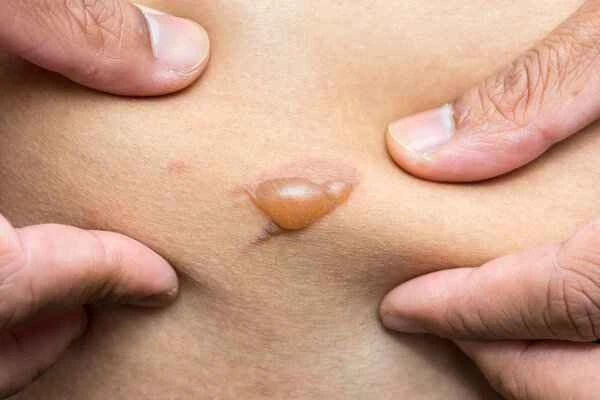
For individuals prone to keloid scarring, more conservative and safer methods should be chosen when removing eye bags. Non-surgical methods can be tried, such as using eye creams containing vitamins K, A, and C, which help improve blood circulation around the eyes and reduce the appearance of eye bags. Cold compresses can reduce eye puffiness, promote blood circulation, and alleviate eye bag problems. If non-surgical methods are ineffective and eye bags severely impact quality of life, then surgical treatment should be chosen from experienced doctors. Before surgery, a detailed consultation should be held with the doctor regarding the potential risks associated with keloid scarring and how to reduce the likelihood of scar formation.
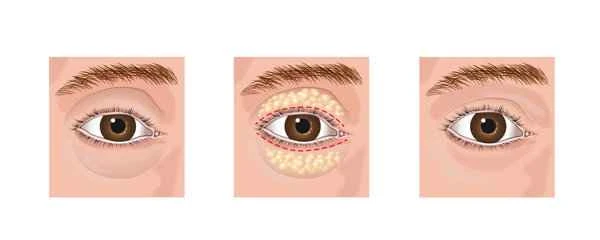
[Life Tips:]
1. Using an eye cream containing vitamins K, A, and C can help improve blood circulation around the eyes.
2. Applying a cold compress can reduce eye puffiness and promote blood circulation.
3. When considering surgical treatment, be sure to consult an experienced doctor to understand the potential risks associated with a predisposition to keloid scarring.