Redness, swelling, and itching at the edges of the lips are symptoms of cheilitis, caused by an inflammatory reaction resulting from irritation or infection of the lip skin. In such cases, it's crucial to first identify the cause of the cheilitis, which could be due to allergies, infection, environmental factors, or certain lifestyle habits. Once the cause is determined, a series of measures can be taken to alleviate symptoms and treat the inflammation.
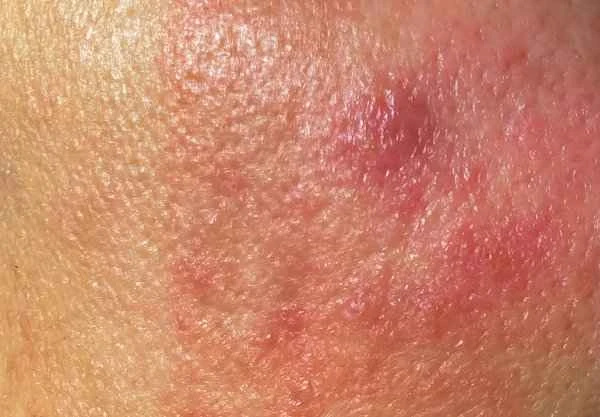
Avoiding known allergens or irritants is a key step in treating cheilitis. Allergens may include certain foods, cosmetics, toothpaste ingredients, or environmental pollen, dust mites, etc. Avoiding these irritants can reduce inflammation. Using ointments containing corticosteroids can help reduce inflammation and redness. These ointments suppress the inflammatory response, thereby relieving symptoms. Keeping lips moisturized is also very important. Use lip balms containing natural ingredients, such as beeswax and vitamin E, to protect the lip skin and prevent dryness and cracking. At the same time, maintain good oral hygiene and avoid licking your lips, as enzymes in saliva may further irritate the lip skin and worsen symptoms.
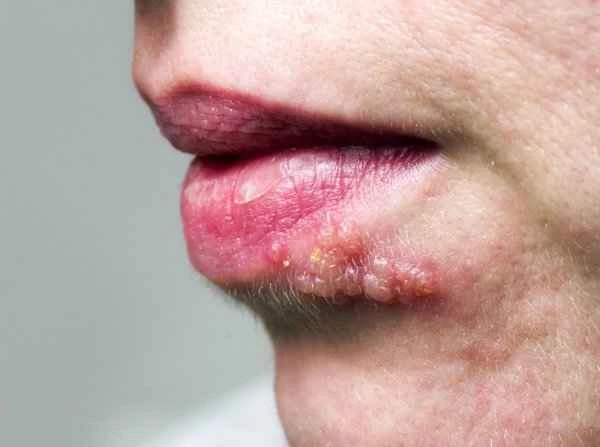
When treating cheilitis, it's important to note that if symptoms persist or worsen, you should seek medical attention promptly. Cheilitis can be a manifestation of certain systemic diseases, such as autoimmune disorders or nutritional deficiencies. If self-care measures are ineffective, you should seek professional medical help for further examination and treatment. Avoid using over-the-counter medications or folk remedies indiscriminately, as this may worsen symptoms or cause other adverse reactions.

[Management Tip:]
1. Avoid contact with known allergens or irritants.
2. Use ointments containing corticosteroids to reduce inflammation.
3. Keep your lips moisturized by using a lip balm containing natural ingredients.
4. Pay attention to oral hygiene and avoid licking your lips.