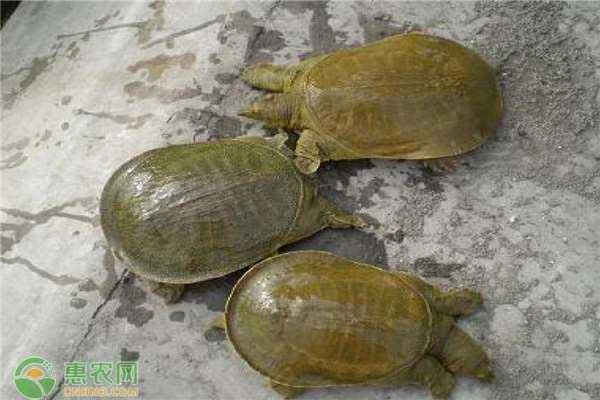
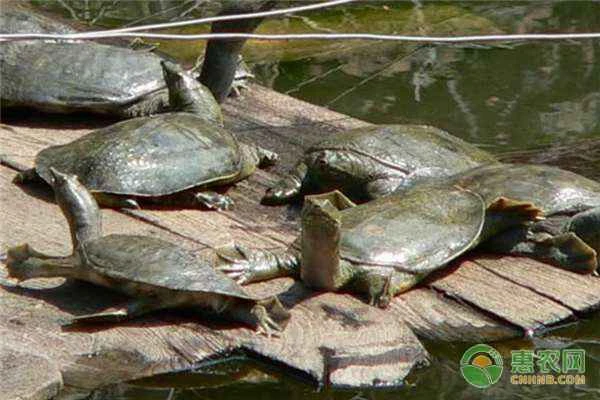
Soft-shelled turtles are a highly nutritious aquatic product . Their diet is crucial in turtle farming; poor appetite can significantly impact their growth. So, what causes poor appetite in soft-shelled turtles? Let's find out.
1. Water pollution
Water quality is a key factor affecting the diet of soft-shelled turtles. The quality of the water in which they live directly affects their living environment and health. Clean, oxygen-rich water helps soft-shelled turtles maintain a good appetite and digestive ability. Conversely, heavily polluted water or water with low oxygen content may cause them to lose their appetite.
2. Water temperature
Soft-shelled turtles are poikilothermic animals, meaning their body temperature changes with the ambient temperature. Suitable water temperatures are beneficial for their metabolism and digestion. Soft-shelled turtles have a better appetite at higher water temperatures, while their appetite may be affected when the water temperature is too low or too high.
3. The silt is relatively deep.
The pond has deep silt and excessive humus, with a large amount of undecomposed organic matter, leftover feed, and feces. The decomposition process by these microorganisms consumes a large amount of dissolved oxygen in the pond water and releases harmful gases such as biogas and carbon dioxide. Under these aquatic conditions, farmed turtles become particularly inactive, timid, have reduced oxygen consumption, a sharp decline in metabolism, poor digestion and absorption, and eat very little or not at all.
4. Sudden weather changes
Due to seasonal changes (especially late winter and early spring), large temperature differences between day and night, stress caused by sudden weather changes, and frequent vertical convection in the water, turtles may also experience a loss of appetite.
5. Unsuitable feed
Soft-shelled turtles need to ingest nutrients such as protein, carbohydrates, vitamins, and minerals. If the feed provided does not meet their needs or is of poor quality, the turtles may not eat it.
6. Parasitic infection
The turtle may be infested with parasites such as anchor worms, Chinese caterpillars, Trichodina, and Dactylogyrus. A large number of parasites can also cause loss of appetite.
7. Pesticide poisoning
Many fish farmers increase the dosage of insecticides, such as trichlorfon, when applying large doses of organophosphate insecticides, which can lead to neurotoxicity in fish and a decrease in their appetite.