Rapid recovery from shingles depends on early diagnosis and timely treatment. Shingles is caused by the varicella-zoster virus (VZV), which remains dormant in nerve tissue after the initial infection. When immunity declines, the virus can be reactivated, triggering shingles. The key to a rapid cure for shingles is early use of antiviral medications to inhibit viral replication, reduce nerve damage, and minimize the risk of complications.
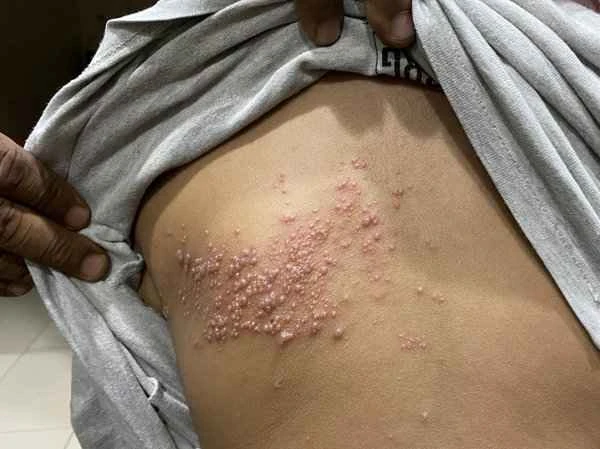
Antiviral drugs are the primary treatment for shingles, such as acyclovir, famciclovir, and varasiclovir. These drugs effectively inhibit viral replication, alleviate symptoms, and shorten the course of the disease. Simultaneously, analgesics such as gabapentin or pregabalin can relieve neuralgia and improve the patient's quality of life. Topical antipruritic medications and corticosteroid ointments can also reduce skin symptoms and promote healing. Maintaining good personal hygiene and avoiding scratching the rash during treatment can reduce the risk of secondary infections. Adequate rest and a balanced diet help boost immunity and promote recovery.
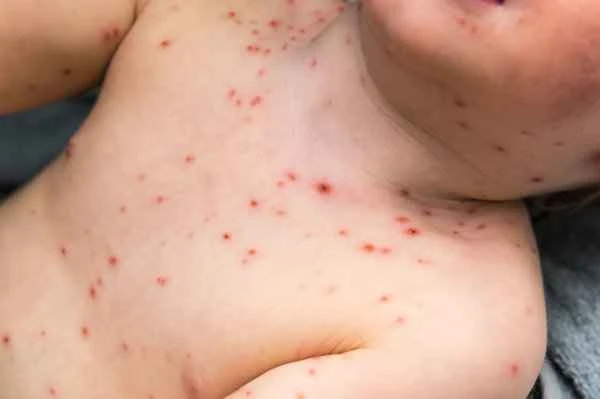
Treatment for shingles is not without risks. Antiviral medications may cause side effects such as nausea, vomiting, and headaches. If treatment is delayed or inadequate, it can lead to postherpetic neuralgia (PHN), a chronic painful condition that causes significant suffering. During treatment, patients need to closely monitor changes in their symptoms and maintain close communication with their doctor to adjust the treatment plan as needed.
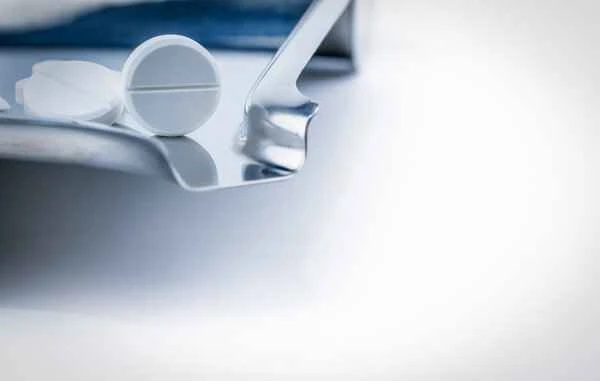
[Management Tip:]
1. Use antiviral drugs, such as acyclovir, as early as possible to inhibit viral replication.
2. Maintain good personal hygiene, avoid scratching the rash, and reduce the risk of secondary infection.
3. Maintain sufficient rest and a reasonable diet to improve immunity and promote recovery.
4. Closely monitor changes in your symptoms and maintain close communication with your doctor to adjust your treatment plan in a timely manner.