Those who frequently grow flowers and trees are likely familiar with the concept of growing substrate . Many plant enthusiasts consider growing substrate, or potting soil, to be the material basis for the growth of potted plants. So what exactly is it? Let's find out below.
What is a cultivation substrate?
Cultivation substrate, also known as solid cultivation substrate, is a cultivation method that uses a specific substrate to fix the root system of plants and absorb oxygen and nutrient solution.
What types of cultivation substrates are there?
1. Organic matrix
Organic substrates are mainly cultivation substrates composed of organic biological residues and their derivatives containing carbon and hydrogen, such as peat moss, coconut coir, bark, sawdust, and fungal residue. These substrates are rich in nutrients such as carbon, nitrogen, phosphorus, and potassium, providing essential nutrients for plants.
2. Inorganic matrix
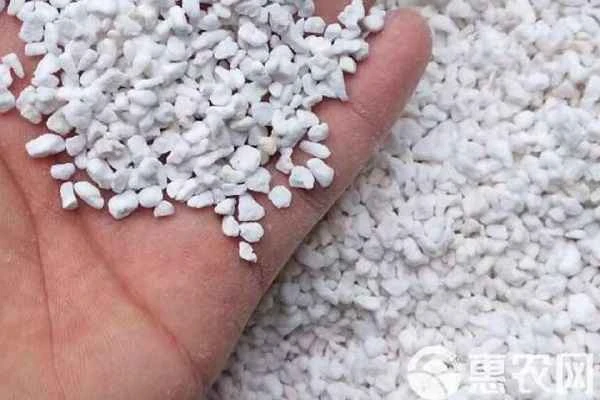
Inorganic substrates mainly refer to natural minerals or their products after high-temperature treatment as substrates for soilless cultivation, such as sand, gravel, expanded clay, vermiculite, rock wool, and perlite . Their chemical properties are relatively stable and they are not prone to chemical changes, but compared to organic substrates, inorganic substrates may have a weaker nutrient supply capacity.
3. Mixed matrix
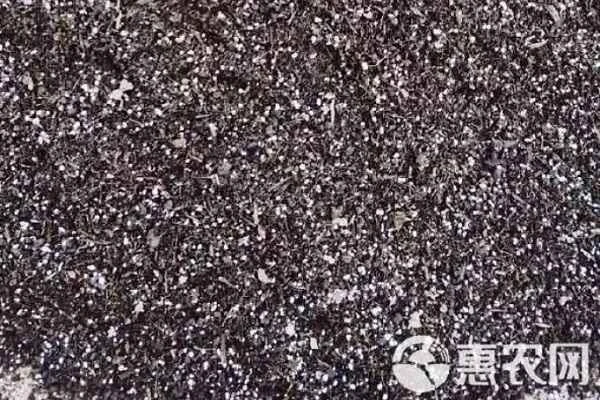
Mixed substrates, also known as composite substrates, are cultivation substrates made by mixing two or more substrates in a certain proportion. These substrates were developed to overcome the drawbacks of using a single substrate in production, such as excessively light or heavy density, poor aeration, or excessive aeration, by mixing several substrates.
4. Chemical synthesis matrix
Chemically synthesized substrates, also known as artificial soil, are new types of solid substrates artificially synthesized using organic chemical substances (such as urea-formaldehyde, polyurethane, phenolic resin, etc.) as raw materials. These substrates typically have good water retention properties, which can retain the water needed by plants, but the cost of the materials used is relatively high.