Lawns are very common and indispensable for urban landscaping, especially in parks, squares, slopes, airports, football fields, courtyards, etc. So how do you plant a lawn? Let's learn the methods below.
1. Sowing
Autumn and spring are the main sowing seasons for lawns. Most lawns tend to grow poorly during the hot summer months, so spring or autumn sowing is preferable. For even sowing, a seeder can be used for large areas, while smaller areas can be sown by hand. Sowing should be done on a windless day. After sowing a small patch, immediately cover the seeds with soil to prevent them from being blown away by the wind. Use a thin layer of fine soil for covering, then compact it to promote seed germination.
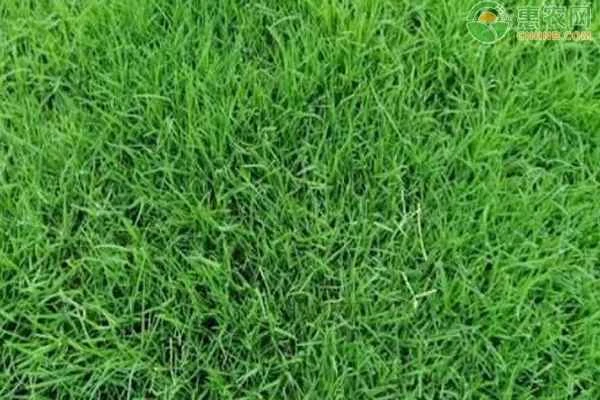
2. Emergence
To ensure uniform and rapid germination, it is essential to spray water after sowing. Each watering should focus on the surface layer to ensure the seeds absorb moisture. Ryegrass will germinate completely within 5 days of sowing, Kentucky bluegrass within 10-12 days, and warm-season grasses such as false clover, zoysia grass, and bermudagrass within 10-15 days.
3. Weeding
Before sowing, allow the weeds to emerge, then remove them before planting. Alternatively, selective herbicides can be used to pre-emerge or kill the weeds.
4. Water and fertilizer
To maintain a lush green lawn and promote healthy growth, proper fertilization is essential. For cool-season lawns , topdressing should be done in early spring and autumn. The first application should be after the lawn turns green to promote growth; the second application should be done in mid-spring, stopping once the weather warms up. Fertilizer can be easily applied by watering the lawn. Except during the rainy season, planted lawns should be thoroughly watered 2-4 times per week, ensuring the water penetrates 10-15cm into the ground.
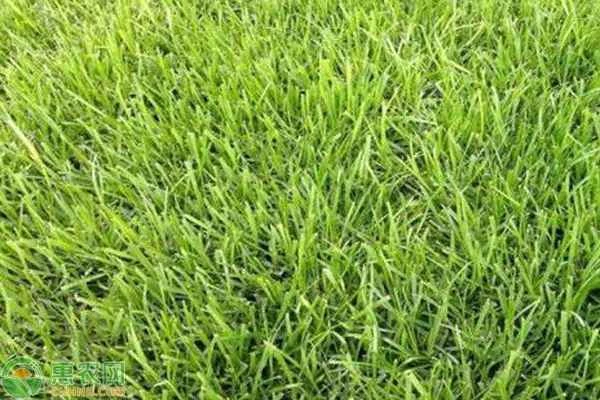
5. Pruning
Before mowing, clean the lawn by removing stones , branches, and other debris that could damage the lawnmower blades. Remove the cut grass blades promptly. Remember that the faster the grass grows, the more frequently you need to mow it.
6. Ventilation
To improve root aeration in lawns, regulate soil moisture content, and enhance fertilization effectiveness, aeration holes should be dug in the lawn. This work can improve lawn quality.
7. Remove withered weeds
The straw layer, the layer of roots and stems intertwined on the soil surface, prevents water and sprayed nutrients from penetrating the soil. It's best to remove the straw layer in the fall using a specialized rake.