Peanuts are one of China's major oilseed crops , possessing advantages such as drought resistance, tolerance to poor soil, and strong adaptability, making their cultivation prospects promising. So, what is the process of planting peanuts? Let's find out below.
1. Variety selection
Localities should select specialized varieties with market advantages, such as high-yield and high-quality oilseed, food processing , and export varieties, based on soil, climate, and market conditions.
2. Land preparation and fertilization
Peanuts thrive in well-drained, deep, fertile sandy loam or light loam soils with a pH of 6.5-7. Deep plowing can reduce the impact of continuous cropping on yield and increase soil permeability. When combined with deep plowing, apply 2000-3000 kg of farmyard manure and 25 kg of phosphate fertilizer per acre as base fertilizer.
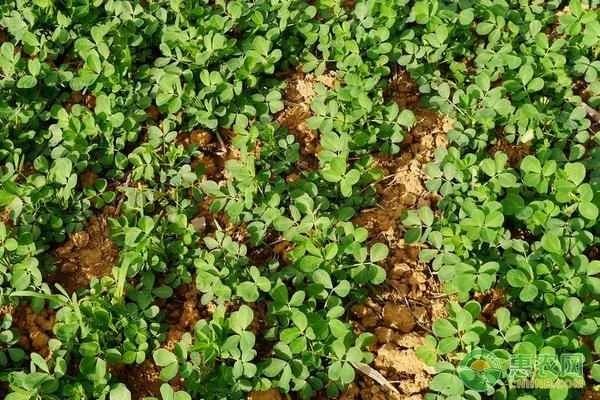
3. Seed treatment
Soak the seeds in warm water at around 35 degrees Celsius for 2-4 hours. If germination is required, place the soaked seeds in a room at 25-30 degrees Celsius to germinate. Germinated seeds should be sown immediately and not left overnight to prevent the sprouts from becoming too long and damaging the embryo.
4. Determine the sowing period
The best time to plant peanuts is from April to May each year, when the temperature gradually rises to above 10℃ and there is plenty of sunlight, which is conducive to peanut germination.
5. Sowing method
Use 145 cm wide film, with four rows per film, and plant in wide and narrow rows according to the 30 cm-50 cm-30 cm pattern. Plant 10,000-11,000 holes per mu, with a plant spacing of 15 cm-17 cm. Plant 1-3 seeds per hole (1-2 large peanuts, 2-3 small peanuts), at a planting depth of 3-5 cm.
6. Post-broadcast suppression
Post-sowing compaction is a successful method for ensuring full seedling emergence in drought-resistant peanut planting. Compaction not only reduces soil moisture evaporation but also ensures close contact between the seeds and soil, promoting the rise of moisture from the lower soil layers, preventing seeds from drying out, and facilitating germination and seedling emergence. Methods generally include rolling with a stone roller or tamping the soil along the rows.
7. Check seedlings and replant.
If missing seedlings are found 10-15 days after sowing, timely germination and replanting should be carried out or spare seedlings should be used with soil to replant, taking care not to damage the roots.