Chili peppers are a common vegetable , and many people grow them at home. To achieve high-quality and abundant yields, it's essential to master the key points of cultivation and management. So, how exactly do you grow chili peppers to ensure they grow well? Let's find out below.
1. Land preparation and fertilization
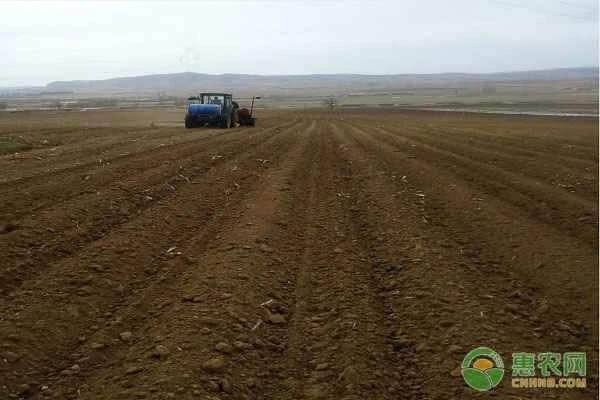
When selecting a planting site, ensure proper irrigation and drainage. Low-lying areas with poor ventilation and high humidity are prone to disease. Chili peppers thrive in fertile soil; fully decomposed organic fertilizer can provide the comprehensive mineral nutrients needed for their growth.
2. Reasonable planting
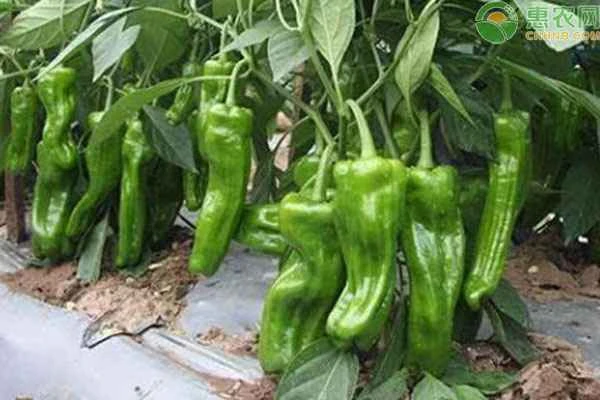
Chili seedlings should be transplanted when they are just beginning to bud. The row spacing for chili peppers is generally 50-60cm, and the plant spacing is generally 25-30cm for early-maturing or smaller varieties, and 30-55cm for late-maturing or larger varieties. Two chili peppers can be planted per hole for facing-heaven varieties, while one chili pepper, horn-shaped chili pepper, or cow-horn chili pepper is generally planted per hole.
3. Proper pruning
Pruning is an important technical measure for improving the quality and increasing the yield of chili peppers. Generally, the basal branches that grow on the main stem below the first pepper should be removed in time. At the same time, the first pepper should be harvested in time to avoid affecting the growth of the upper peppers, reduce nutrient consumption, and increase the weight of a single fruit.
4. Preserve flowers and fruits
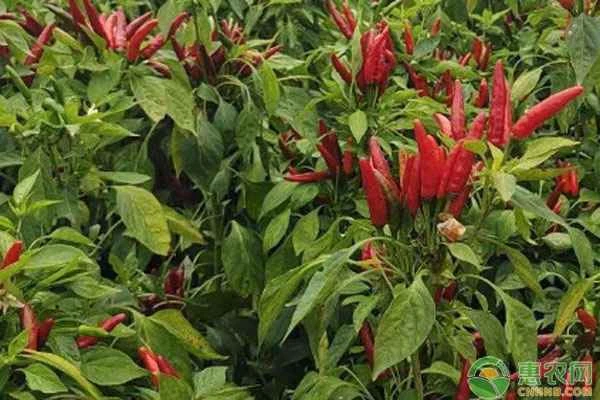
Before fruit setting, nitrogen fertilizer application should be controlled to prevent excessive vegetative growth. Foliar spraying with brassinolide, amino acid fertilizer, and boron fertilizer before flowering can effectively promote flower bud differentiation in chili peppers and help preserve flowers and fruits.
5. Water and fertilizer management
Chili peppers have shallow roots and are intolerant of both waterlogging and drought. During their growth, the soil should be kept moist but not waterlogged. The principle of watering is to water frequently but in small amounts. During the flowering period, watering should be minimal to prevent flower drop. The first top dressing should be applied before the first fruit sets. For unmulched cultivation, apply 1000 kg of fully decomposed organic fertilizer to the roots. For mulched cultivation, apply approximately 15 kg of high-nitrogen, high-potassium compound fertilizer with irrigation water. During the peak fruiting period, fertilizer requirements increase; apply 10-15 kg of a 15:15:15 NPK compound fertilizer per acre every 15 days. In the mid-to-late stages of growth, spray foliar calcium fertilizer every 10 days to prevent blossom-end rot caused by calcium deficiency.
6. Pest and disease control
Throughout the entire growth period of chili peppers, attention should be paid to the prevention and control of diseases such as blight, viral diseases, and anthracnose, as well as pests such as aphids, whiteflies, thrips, and underground pests.