Weeping jasmine has a very pleasant fragrance, a beautiful appearance, and is very easy to grow. When caring for it, flower enthusiasts should pay attention to temperature management. Generally speaking, weeping jasmine is cold-resistant up to 10℃.
How cold can the weeping jasmine withstand?
Weeping jasmine is cold-hardy up to 10 degrees Celsius. However, it has poor cold resistance and thrives in warm environments. When the room temperature drops below 10 degrees Celsius, it will stop growing. When the temperature falls below 0 degrees Celsius, it will suffer frost damage and may even die in severe cases. Therefore, after winter sets in, weeping jasmine should be moved indoors to a warm location for care.
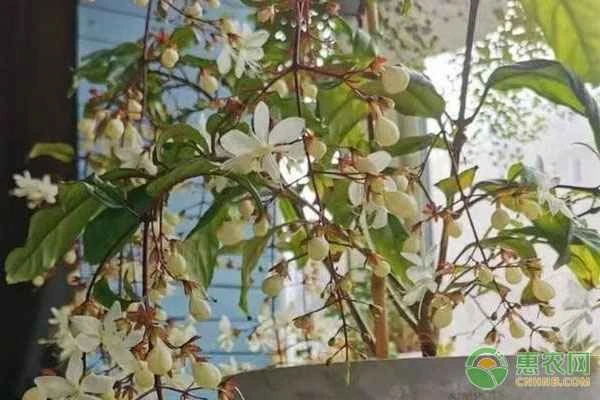
How to care for weeping jasmine?
1. Soil
Weeping jasmine prefers loose, well-draining, humus-rich, slightly acidic soil. If you are making your own soil mix, you can choose to mix peat moss, leaf mold, or fine coconut coir, coarse coconut husk, and perlite in a 3:1:1:1 ratio.
2. Temperature
Weeping Jasmine prefers a warm environment and has poor cold resistance. The suitable temperature for its growth is between 15-28℃. It needs to be brought indoors for warmth in winter and shaded from the sun in summer.
3. Light
Weeping jasmine doesn't require too much sunlight. It's best to give it more morning and evening sunlight. It can be planted very well on an east- or south-facing windowsill, and it needs more than 3-5 hours of diffused light every day.
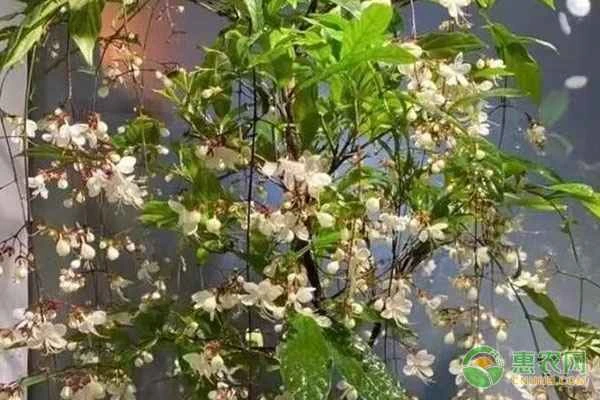
4. Watering
Before watering a weeping jasmine, always check the moisture level of the potting soil. For example, during the growing season, when the temperature is between 18-28℃, it grows relatively quickly. When the weather is good, the soil dries out quickly. Once the soil is dry to a depth of 2-3cm, you can water it thoroughly.
5. Fertilizing
Weeping jasmine produces many flowers and has a certain need for fertilizer , especially in late autumn when the temperature is between 22-25℃. Fertilizer can be added every one or two weeks. Generally, flower-promoting fertilizer and general fertilizer are sprayed and watered alternately. Spray the leaves and the back of the leaves, and then water the soil to maximize the absorption of nutrients.