Soybean replanting refers to planting soybeans on the same field for two or more consecutive years. Replanting in the same field can lead to smaller soybean plants, yellowing leaves, and increased susceptibility to pests and diseases. To achieve high yields when planting soybeans in the same field, consider the following five points:
1. Fine land preparation
Focusing on deep loosening, combined with measures such as turning, harrowing, rotary tillage, lifting, and compaction, improve the quality of land preparation, break up the compacted layer, and increase soil permeability. During land preparation, apply 1-1.5 tons of organic fertilizer or farmyard manure per acre. Farmyard manure must be fully decomposed before use to increase soil organic matter content and improve soil structure.
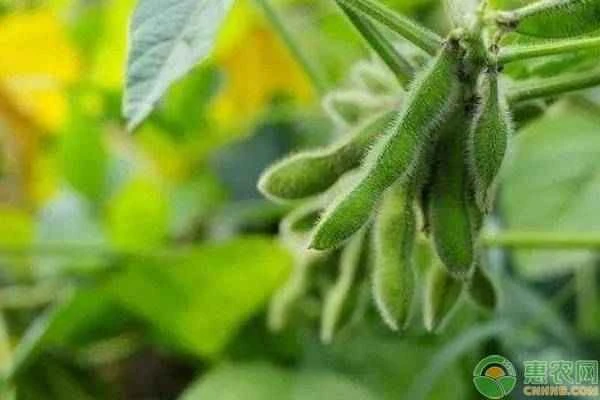
2. Select superior varieties
Based on the local occurrence of soybean diseases and pests, select high-yielding varieties that are resistant to diseases and pests and have suitable maturity periods. Alternatively, select soybean varieties suitable for continuous cropping, as these varieties usually have stronger resistance and adaptability.
3. Seed treatment
Before sowing, mechanical or manual seed selection should be carried out to remove diseased, insect-damaged, broken, and impurity seeds. Seed coating should be applied with seed treatment agents to control soybean cyst nematode and root rot.
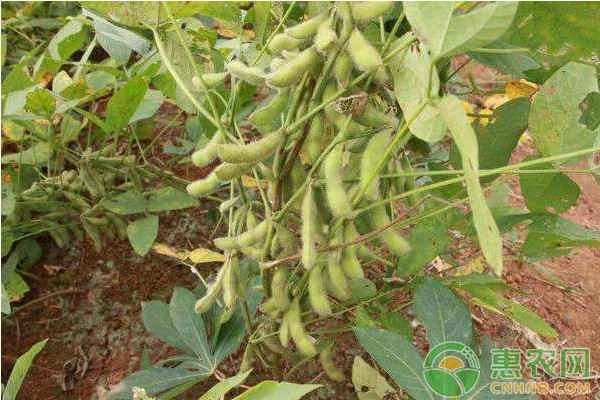
4. Increase density appropriately
In fields where crops are continuously planted in the same location, the soil environment deteriorates, and pest and disease damage intensifies, easily leading to missing seedlings and gaps in rows. Therefore, the seeding rate should be appropriately increased by 8%-10% to improve the seedling survival rate. Precision seeding and dense double-row planting on ridges should be adopted to ensure a reasonable distribution of the plant population and increase soybean yield.
5. Apply fertilizer appropriately
Increase the application of organic fertilizer, adding 1-1.5 tons of organic fertilizer or farmyard manure per acre. Farmyard manure should be fully decomposed before use, and combined with straw return to the field to increase the organic matter content of the soil. Balance fertilization, scientifically customize fertilization plans based on soil nutrient test results, and appropriately add micronutrient fertilizers, humic acid fertilizers, and bio-organic fertilizers to the traditional nitrogen, phosphorus, and potassium fertilizers.