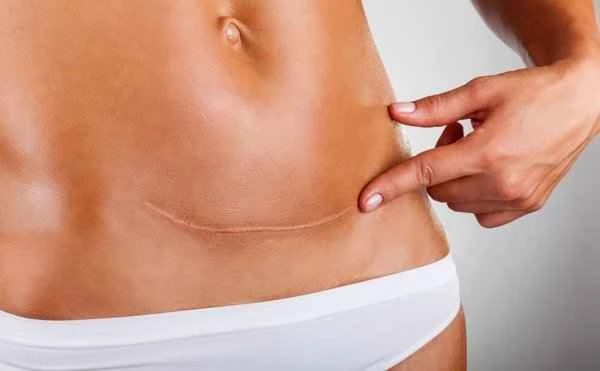
Keloid removal refers to the reduction or elimination of excessively growing scar tissue formed after trauma, surgery, or inflammation through various medical methods. Keloids are excessively growing scars that are not limited to the wound edges but can extend into the surrounding normal tissue, often accompanied by symptoms such as pain and itching.
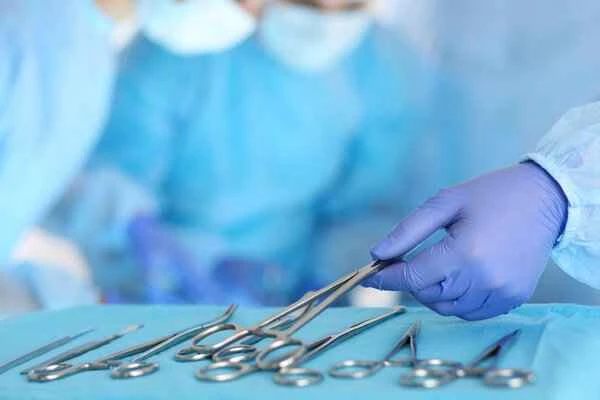
Treatment of keloids requires a comprehensive approach, including medication, physical therapy, and surgery. Medication primarily involves corticosteroid injections, which reduce the size and hardness of keloids by inhibiting inflammation and cell proliferation. Physical therapies, such as laser therapy, cryotherapy, and pressure therapy, promote the softening and remodeling of scar tissue through various mechanisms. Surgical treatments include excision and flap transfer, which physically remove scar tissue and cover the wound with healthy skin to eliminate the keloid. Surgical treatment carries a high risk of recurrence, so it is often combined with other non-surgical methods to reduce the recurrence rate.
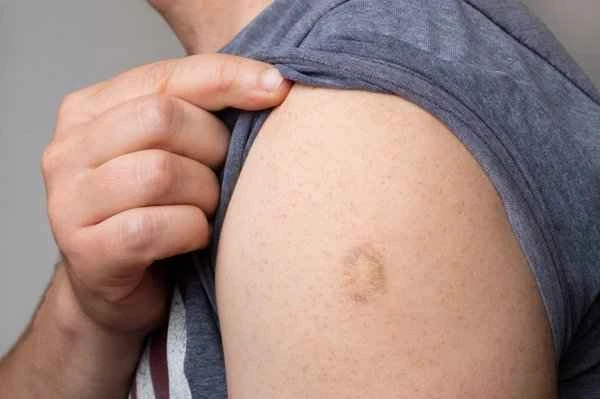
During the treatment of keloids, patients may encounter some risks and misconceptions. Over-reliance on a single treatment method may lead to poor treatment results, as the formation mechanism of keloids is complex, and a single method cannot comprehensively cover all influencing factors. Complications such as local skin discoloration and infection may occur during treatment. These require thorough communication with the doctor before treatment to understand the potential risks and take appropriate preventive measures. Finally, treating keloids is a long-term process that requires patience and perseverance from patients, while maintaining a positive attitude and avoiding excessive anxiety, which can affect the treatment outcome.
[Management Tip:]
1. Have regular follow-up appointments, follow the doctor's treatment plan, and continuously monitor changes in keloids.
2. Pay attention to wound care to avoid post-traumatic infection and reduce the possibility of keloid formation.
3. Adjusting lifestyle habits, maintaining good eating habits, and avoiding spicy foods can help alleviate the symptoms of keloids.
4. If any abnormalities occur, such as a sudden increase in the size of the keloid or worsening of symptoms such as pain or itching, seek medical attention promptly.