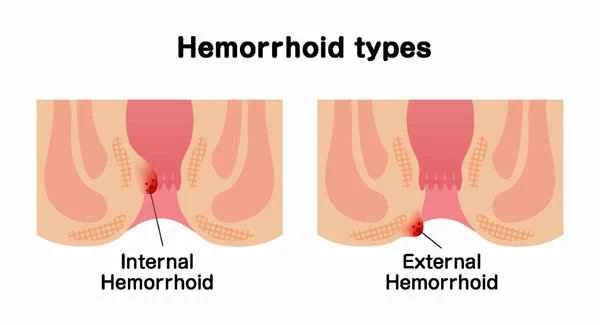
The removal of herpes scars is a process that improves the appearance of the skin through a variety of medical means.
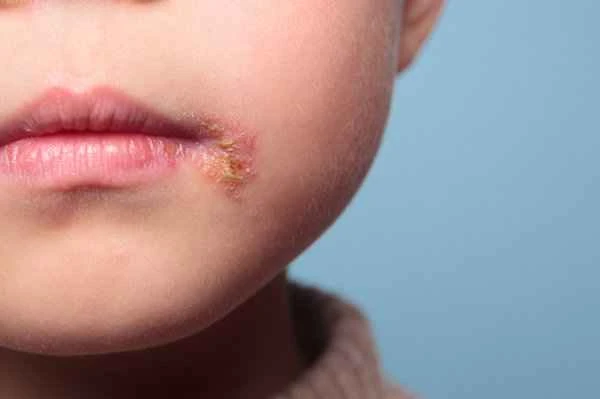
Removal of herpes scars involves various medical approaches, including medication, laser therapy, and surgical excision. Each method has its own characteristics and is suitable for different types of scars. Medication typically involves the use of topical medications containing vitamin E, silicone gel, or corticosteroids. These medications help soften scar tissue, reduce redness and swelling, and promote the skin's natural repair process. Laser therapy uses specific wavelengths of laser light to target the scar tissue, promoting collagen rearrangement and thus improving the scar's appearance. Surgical excision is suitable for larger or deeper scars. It involves surgically removing the scar tissue directly, followed by skin suturing for better repair results.
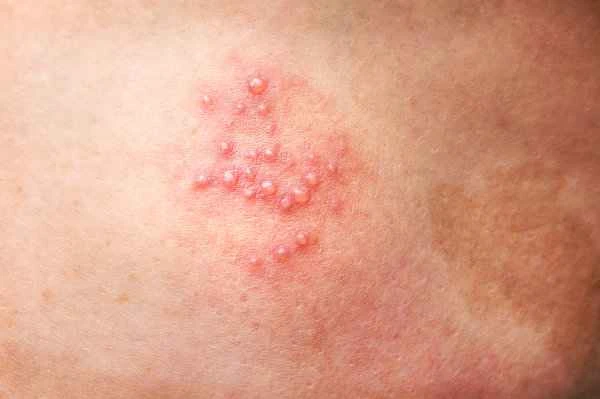
Understanding the mechanisms of herpes scar formation is crucial when treating herpes scars. Herpes scars typically form during the skin's healing process following a viral infection. When the skin is damaged, the body initiates a healing mechanism, generating new collagen fibers to repair the damaged area. In some cases, this healing process can overreact, leading to the formation of scar tissue. This scar tissue is usually harder and thicker than normal skin and may sometimes be accompanied by redness or pigmentation. Removing herpes scars involves more than just physical removal; it requires considering the skin's physiological response and healing process.
There are some common misconceptions and potential risks in treating herpes scars. Many patients may rely too heavily on a single treatment method, neglecting the importance of comprehensive treatment. In fact, combining medication, laser therapy, and lifestyle modifications often yields better results. Some patients may mistakenly believe that all scars can be completely removed; in reality, some scars can only be improved, not completely eliminated. There are also risks involved in treatment, such as drug allergies and changes in skin pigmentation after laser treatment. When choosing a treatment method, it is essential to fully understand the advantages and disadvantages of each method and to proceed under the guidance of a professional physician.
[Management Tip:]
1. Use topical medications regularly, such as vitamin E oil or silicone gel, to promote scar softening and skin recovery.
2. Laser treatment may be considered to improve the appearance of the scar, but it should be performed under the guidance of a professional doctor.
3. Pay attention to daily care, avoid friction or irritation to the scarred area, and promote natural skin healing.
4. If any abnormalities occur, such as the scar darkening or pain, seek medical advice promptly.