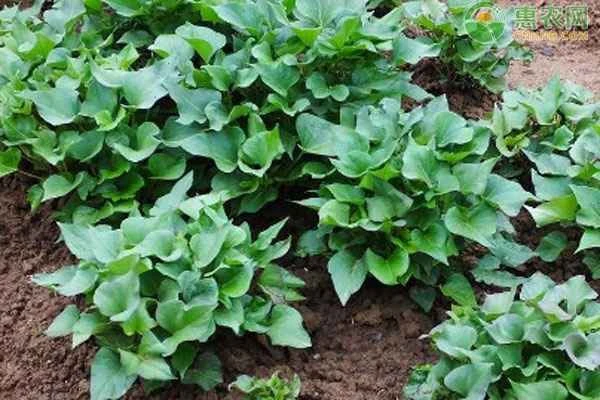
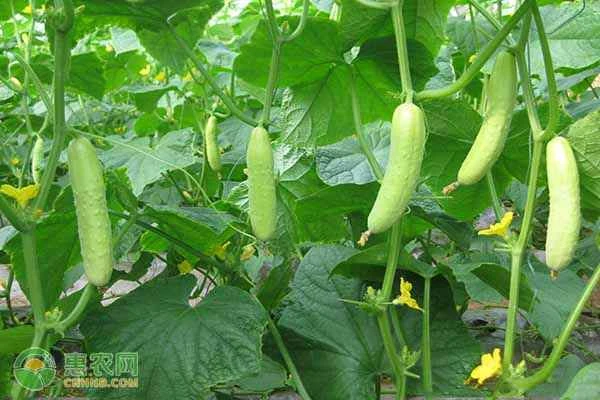
Tomatoes , also known as tomatoes, were introduced from abroad a long time ago. They are both vegetables and fruits, and are loved by consumers for their rich nutrition and versatility in eating them raw, cooked, or in salads. Many people also grow tomatoes at home. So, what is the best thing to grow with tomatoes? Let's take a look.
1. What is the best plant to grow tomatoes with?
1. Garlic: Garlic can repel pests in the soil, such as aphids and nematodes, protecting tomatoes from damage.
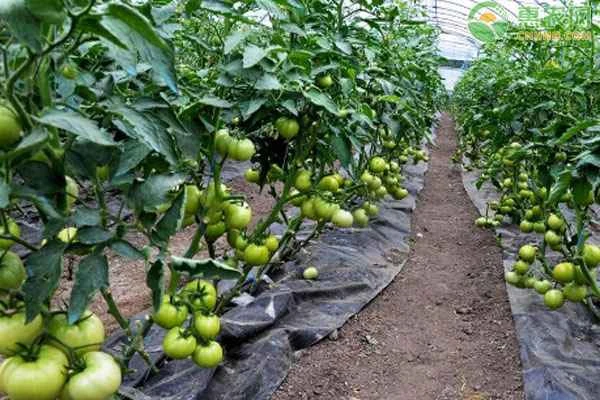
2. Potato: Both belong to the Solanaceae family and can share nutrients. At the same time, the roots and stems of potatoes can help fix the soil and reduce diseases.
3. Legumes: Legumes increase the nitrogen content in the soil through nitrogen fixation, providing essential nutrients for tomatoes.
4. Scallions, onions, and chives: These plants can release natural bactericidal substances that inhibit the occurrence of soil-borne diseases.
5. Beetroot: Beetroot roots can help loosen the soil and promote the development of tomato roots.
6. Basil : Basil can attract beneficial insects such as ladybugs and bees, which can help control pest populations. At the same time, the aroma of basil can also repel some pests.
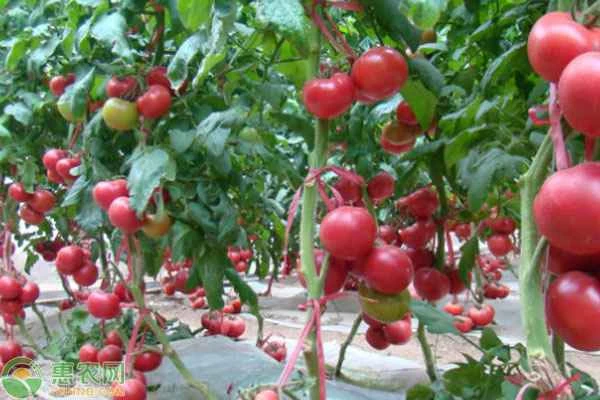
II. Tomato Planting Methods and Timing
1. Planting Time: Tomatoes are typically planted in spring (March to May) and autumn (September to November). In northern China, spring is the most suitable planting time. To increase yield, heat-resistant, cold-resistant, and early-maturing varieties can be selected for autumn planting.
2. Seed selection: Choose high-quality tomato seeds and treat them before sowing to improve germination rate. Generally speaking, it is very important to choose varieties that are suitable for the growing conditions.
3. Soil preparation: Choose loose, well-drained and well-aerated soil for planting. You can add organic fertilizer and Jinkede silicon fertilizer to improve the soil, promote the absorption of nitrogen, phosphorus and potassium, reduce the occurrence of pests and diseases, increase fruit yield and quality, and advance the ripening by about a week.
4. Sowing: Scatter the seeds evenly on the soil surface, then cover with a thin layer of soil. To ensure uniformity of tomato fruit, prune the entire plant and remove axillary buds during planting.
5. Watering: After sowing, water frequently to keep the soil moist. During the seedling stage, when growth is rapid, avoid overwatering. During the fruiting stage, water appropriately based on soil transpiration.
6. Fertilization: Fertilization is necessary during the growth of tomatoes. The type and amount of fertilizer used will vary depending on the different growth stages of tomatoes.
7. Light and temperature: Tomatoes need plenty of sunlight and suitable temperature. The optimal daytime temperature is 20-25℃, and the optimal nighttime temperature is 10-15℃. The flowering period is sensitive to temperature. The optimal temperature during the fruiting period is 24-26℃ during the day and 12-17℃ at night. The optimal temperature during the fruit coloring period is 20-25℃.
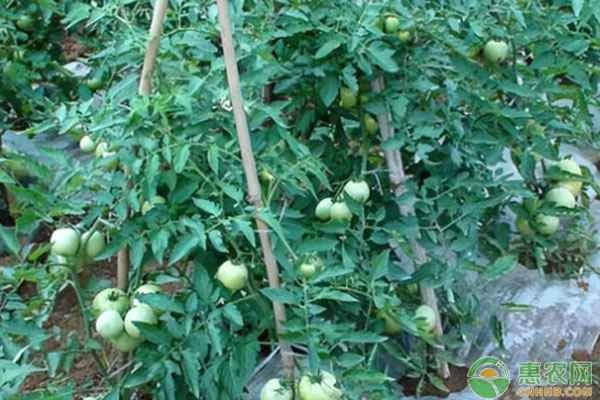
8. Transplanting: When the tomato seedlings have grown large enough, they can be transplanted. During transplanting, care should be taken to protect the roots and avoid damage.
9. Harvesting: Tomatoes should be harvested promptly when ripe. Generally, mini tomatoes are harvested in batches during the harvest season. To avoid damaging other harvested fruits, it is best to cut off the stem.