Goldfish are popular ornamental fish , and maintaining good water quality is crucial for their health. Regular water changes are an important step in keeping the water clean and stable. So, how often should you change the water for goldfish? Let's take a look.
How often should the water be changed when keeping goldfish?
Generally speaking, the frequency of water changes for goldfish can be determined based on the season and water quality:
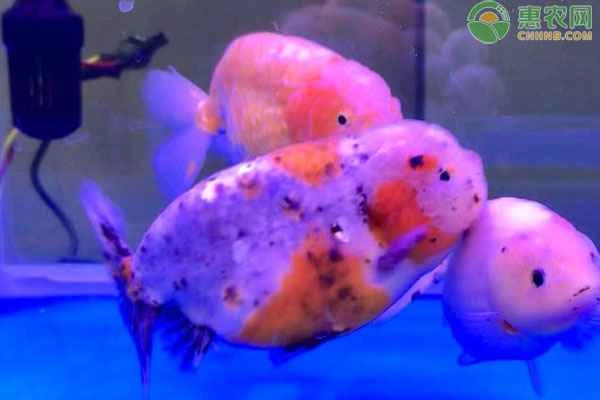
Spring and Summer: During the warm spring and summer seasons, goldfish have a more active metabolism, and water quality changes more quickly. Therefore, it is recommended to change the water approximately every 10 days to maintain clean and stable water quality.
Winter: During the cold winter months, goldfish have a lower metabolic rate, and water quality changes more slowly. Therefore, the interval between water changes can be extended to about once every two weeks. This reduces disturbance to the goldfish while ensuring that the water quality remains at a good level.
It's important to note that the above are general guidelines and may not apply to all situations. The size of each aquarium , the number of goldfish, and water quality can vary, so you should closely observe your goldfish's behavior and health to determine the most suitable water change frequency based on your specific circumstances.
Another factor to consider is the timing of the water change. Goldfish may feel stressed and anxious during the process. Therefore, choosing an appropriate time to change the water is important. Generally, it's best to do the water change around midday, as this is usually when goldfish are most active and foraging. This minimizes disturbance to the goldfish and helps them adapt to the new aquatic environment more quickly.
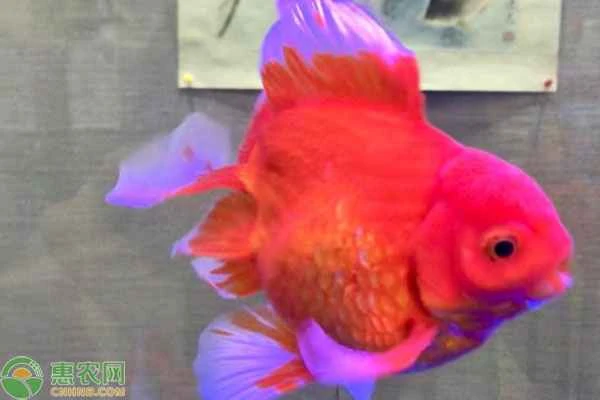
II. Steps and Precautions for Changing the Water for Goldfish
1. Prepare fresh water: Make sure to use tap water or treated water with suitable water quality to replace the old water. Remember that the water temperature and quality should match the goldfish's needs.
2. Remove some water: Use appropriate tools to remove some of the old water from the fish tank. Generally, removing about 20-30% of the water is reasonable.
3. Clean the fish tank: You can take the opportunity to clean the fish tank during water changes. Remove waste, leftover food, and other contaminants from the bottom, and ensure the inner walls of the tank are clean and free of dirt.
4. Add fresh water: Add fresh water to the fish tank. Ensure the water temperature is close to the ideal temperature for goldfish, and use a water treatment agent to neutralize chlorine and other harmful substances.
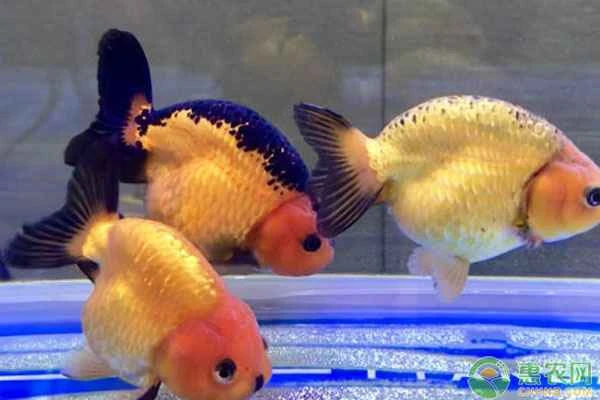
5. Stabilize water quality: After adding new water, use a filtration system and appropriate filter media to help maintain water quality stability. Regularly check water quality parameters such as ammonia nitrogen, nitrite, and nitrate levels, and adjust as needed.
6. Observe the goldfish: After changing the water, closely observe the goldfish's behavior and health. If the goldfish exhibit abnormal behavior or symptoms of discomfort, take timely measures, which may require more frequent water changes or other water quality adjustments.