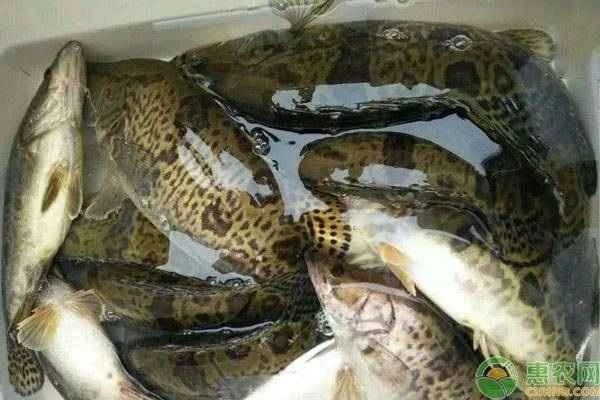
Mandarin fish is a common freshwater farmed fish. Its flesh is firm and tender, with a smooth texture and delicious flavor, making it very popular with consumers and resulting in good farming profits. So how are mandarin fish farmed? Let's find out below.
1. Pond construction
Choose a sheltered, sunny location with little or no bottom mud, convenient drainage and irrigation, abundant water supply, and good, clean water quality for building the pond. Ideally, the bottom of the pond should have some submerged plants to meet the needs of the mandarin fish for burrowing during the day and for their habitat and growth. The area should be 5-7 mu (approximately 0.33-0.87 hectares), and the water depth should be 1.5-2 meters.
2. Seedling release
The selection criteria for mandarin fish fry are: healthy and disease-free, vigorous, with uniform and plump body shape, symmetrical size, and no deformities. It is best to select and rejuvenate superior fry. The suitable stocking density is 1,000-1,500 fish per acre, and should not exceed 2,000 acres.
3. Feeding
Before stocking mandarin fish, it is best to stock the pond with fry of silver carp, bighead carp, mud carp, gudgeon, tilapia , and crucian carp as early prey fish. Feed them roughage such as peanut bran and wheat bran daily. After 15-20 days of rearing, when the prey fish reach 1.5-2.5 cm in length, disinfect them with 0.7 ppm copper sulfate and 0.5 ppm strong chlorine solution before stocking with 2-3 cm mandarin fish fry.
4. Water quality control
To successfully raise mandarin fish, it is crucial to maintain good water quality and change the water frequently. Especially during the high-temperature season from June to September, which is the peak feeding season for mandarin fish, it is best to add or drain water once a week, changing 0.4 meters of water each time, and maintaining a water transparency of over 40 centimeters.
5. Pay attention to oxygenation.
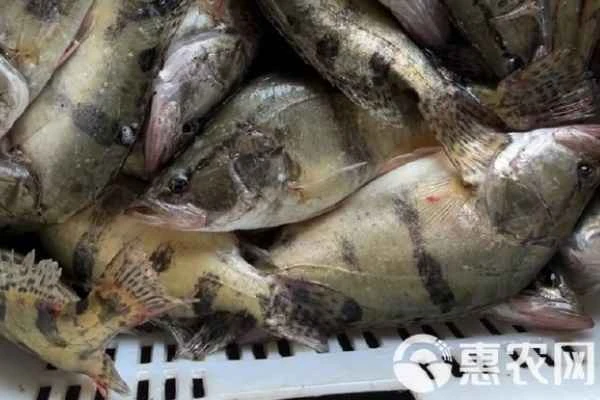
Mandarin fish are prone to outbreaks of viral diseases when they surface for air due to lack of oxygen. During hot weather, spray with EM bacteria and run the aerator for 2-3 hours in the afternoon to maintain a balanced water temperature between the upper and lower layers. During rainy or overcast weather, extend the aeration time in the evening, ideally starting the aerator before 8 PM and continuing until 8 AM the next morning.
6. Disease prevention and control
For diseases that may occur in mandarin fish, such as septicemia, enteritis, and saprolegniasis, it is necessary to take appropriate prevention and control measures in a timely manner according to the symptoms.