Peanut diseases seriously threaten peanut growth and significantly affect peanut quality and yield. Early disease outbreaks can reduce peanut yield by 30% to 40%. Mastering peanut disease control methods is essential to effectively increase peanut yield. So, what pesticides can completely control peanut diseases? Let's take a look.
I. Prevention and Control Strategies
Adhere to the principle of prevention first and comprehensive management, promote integrated technical measures such as agricultural measures, chemical control, physical and chemical induction and control, and biological control, optimize the field ecosystem, use efficient and low-risk pesticides scientifically, promote the sustainable management of peanut diseases, pests and weeds, ensure peanut yield, improve peanut quality, and promote high-quality development of peanut production.
II. Key Targets for Prevention and Control
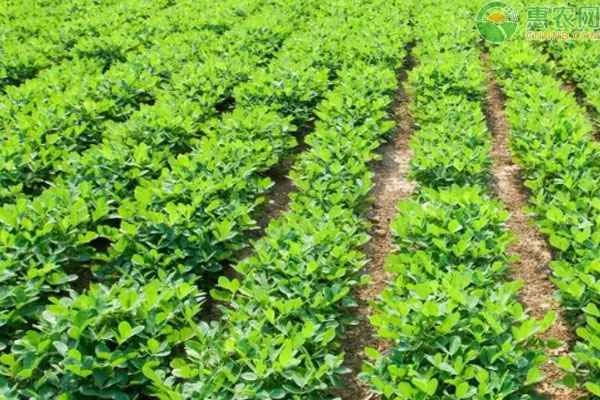
From sowing to seedling stage: root rot, stem rot, crown rot, root-knot nematode disease, underground pests , bollworms, aphids, spider mites, thrips and other diseases and pests, as well as weeds.
From flowering and pegging stage to full fruit maturity stage: leaf spot, rust, white mold, fruit rot, scab, root-knot nematode, cotton bollworm, aphid, spider mite, underground pests, beet armyworm , cotton bollworm, and other diseases and pests.
III. Comprehensive Prevention and Control Technical Measures
(a) Sowing period
1. Agricultural Measures. Before sowing, timely deep tillage and plowing (at least 25 cm deep, and about 30 cm deep) can reduce soil-borne diseases. Intercropping with corn is possible. In areas severely affected by nematode disease and wilt (bacterial wilt), rotation with gramineous crops and sweet potatoes is recommended. Select disease-resistant peanut varieties suitable for mechanical harvesting, sow at the appropriate time, ensure reasonable planting density, apply balanced fertilizer, and maintain good drainage and irrigation. In suitable areas, castor beans can be planted along the surrounding field ridges to attract and kill beetles .
2. Seed Treatment. For pre-sowing seed treatment, fungicides such as fludioxonil, metalaxyl, metalaxyl-fludioxonil-pyraclostrobin, and azoxystrobin can be mixed with insecticides such as imidacloprid, thiamethoxam, and fipronil for seed coating or dressing. The use of combined insecticides and fungicides, such as difenoconazole-fludioxonil-thiamethoxam, thiamethoxam-fludioxonil-cyhalothrin, and benzyl-methyl-imidacloprid, is encouraged. When dressing seeds , plant growth regulators such as brassinolide, indolebutyric acid, or furfural-aminopurine, or immune inducers such as amino oligosaccharides, can be added to enhance resistance to pests and diseases. Alternatively, *Beauveria bassiana* and *Metarhizium anisopliae* can be mixed with soil and applied or applied in furrows at sowing to control underground pests.
3. Pre-emergence herbicide application. For pre-emergence chemical herbicide application after sowing, select herbicides such as pendimethalin, metolachlor, propyzoxystrobin, metolachlor, oxyfluorfen, prochloraz, oxadiazon, and thiamethoxam·acetochlor for soil sealing treatment. Spray the soil surface evenly after peanut sowing and before seedling emergence, and cover the peanut plants with plastic film immediately after application.
(ii) Seedling stage
1. Pest and Disease Control. To control root rot, stem rot, and white mold, fungicides such as thifluzamide, thifluzamide·tebuconazole, fluopyram, fluopyram·pyraclostrobin, and tetracycline can be applied to the base of the stem at the initial stage of disease. To control piercing-sucking pests such as aphids, thrips, and spider mites, when control thresholds are reached, fungicides such as abamectin, imidacloprid, and deltamethrin can be applied as a water spray, which can also prevent insect-borne viral diseases. To control underground pests, at the initial stage of occurrence, fungicides such as abamectin·imidacloprid and deltamethrin can be sprayed or drenched into the roots. Alternatively, chlorpyrifos granules mixed with toxic soil can be applied, which also controls root-knot nematodes.
2. Post-emergence weed control. For post-emergence chemical weed control, apply herbicides in the morning or evening on a windless or lightly windy, sunny day. For grass weeds at the 3-5 leaf stage, use herbicides such as quizalofop-P-ethyl, haloxyfop-P-ethyl, quizalofop-P-ethyl, haloxyfop-P-ethyl, and clethodim, as well as their compound formulations, for water spray control. For broadleaf weeds at the 2-4 leaf stage, use herbicides such as ethoxysulfuron, bentazon, quizalofop-P-ethyl, flufensulfuron-methyl, ethoxysulfuron, and thifensulfuron, as well as their compound formulations, for water spray control. Alternatively, compound herbicides such as quizalofop-P-ethyl·haloxyfop-P-ethyl, quizalofop-P-ethyl·haloxyfop-P-ethyl, and ethoxysulfuron-methyl·haloxyfop-P-ethyl can be used to control both grass and broadleaf weeds.
(III) From flowering and pegging to the ripening of full fruit
1. Chemical Control. For leaf spot and rust, use fungicides such as azoxystrobin·flufenicol, pyraclostrobin, azoxystrobin·mancozeb, or benzoyl permethrin·pyraclostrobin, or biological agents such as Bacillus subtilis or polyoxin, applying as a water spray at the initial stage of disease. For white mold, root rot, stem rot, and fruit rot, use fungicides such as thifluzamide, flufenoxuron·pyraclostrobin, thifluzamide·tebuconazole, or flufenoxuron, spraying the base of peanut stems at the initial stage of infestation. For cotton bollworm, beet armyworm, and cotton bollworm, use fungicides such as deltamethrin or lambda-cyhalothrin, applying as a water spray at low density (young larvae). To prevent premature aging, use growth regulators such as brassinolide, uniconazole, calcium cyclamate, or polyazole·mepiride, or foliar fertilizers such as potassium dihydrogen phosphate. For areas with severe underground pest infestations, thiamethoxam granules mixed with fine sand can be applied along the rows.
2. Implement "One Control, Two Increases". During the pod-setting stage, promote the use of the "One Control, Two Increases" technology for peanuts. The main targets for control are peanut leaf spot , rust, stem rot, white mold, fruit rot, bollworm, aphids, and spider mites. Scientifically select pesticides based on the actual occurrence of diseases and pests, and apply a single mixed application (insecticide + fungicide + plant growth regulator/foliar fertilizer) to control multiple diseases and pests in the middle and late stages, reduce the number of pesticide applications and costs in the middle and late stages, protect the normal growth of peanut leaves, prevent premature aging, and improve maturity.
3. Physical and chemical control. Protect and utilize natural enemies such as ladybugs, lacewings, hoverflies, and aphid wasps. During the peak egg-laying period of cotton bollworms, release Trichogramma wasps to control bollworm infestations. Use physical and chemical control measures such as insecticidal lamps, sex pheromones, and food attractants to attract and kill adult cotton bollworms, beet armyworms, white grubs, and cutworms by exploiting their phototaxis and chemotaxis, thus interfering with mating and reducing the initial insect population. One insecticidal lamp per 30-50 mu (approximately 2 hectares) to attract and kill pests such as bollworms, beet armyworms, cutworms, and grubs; 1-2 pheromone traps per mu to attract and kill adult bollworms, scarab beetles, and other pests; add food attractants to the traps and hang them evenly in the field, 1-3 sets per mu, or apply food attractant strips by mixing the food attractant with water at a 1:1 ratio and applying a 10-meter-long strip every 50 meters. Drones can be used for application to attract and kill bollworms, cutworms, and other pests.