Leeches are highly adaptable and have high medicinal value, so they are artificially bred in many rural areas. So what is the biggest challenge in leech farming ? Let's find out.
1. Limited variety
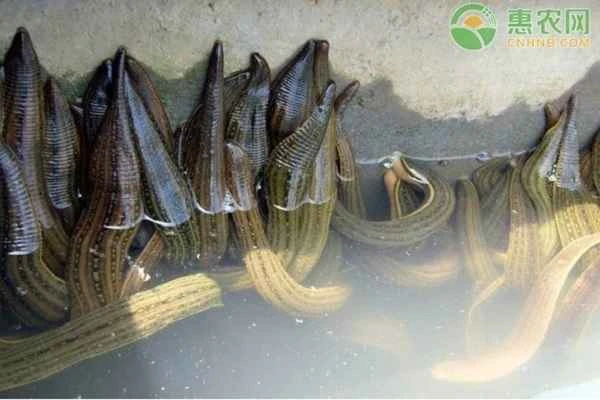
There are very few leech species available for cultivation. The most commonly cultivated species is the golden thread leech, and only the broad-bodied golden thread leech is suitable for cultivation. It is important to identify the species when introducing them.
2. Seedling quality
The quality of leech seedlings varies greatly. Some seedling sellers and individual vendors sell low-yield seedlings as high-quality seedlings, causing serious losses to farmers. Therefore, great care should be taken when introducing new seedlings.
3. Seedling survival rate
Leech seedlings often have a low survival rate. After introducing leech seedlings, they should not be poured directly into the pond. Instead, they should be placed in a cool and humid place near the pond so that they can crawl into the pond.
4. Introduction Specifications
Leeches typically take more than two years to develop reproductive capabilities. When introducing new leeches, avoid those weighing less than 15g, and refrain from introducing new leeches after June to prevent the introduction of leeches that have already laid eggs or juvenile leeches, which could result in poor yields that year.
5. Water quality issues
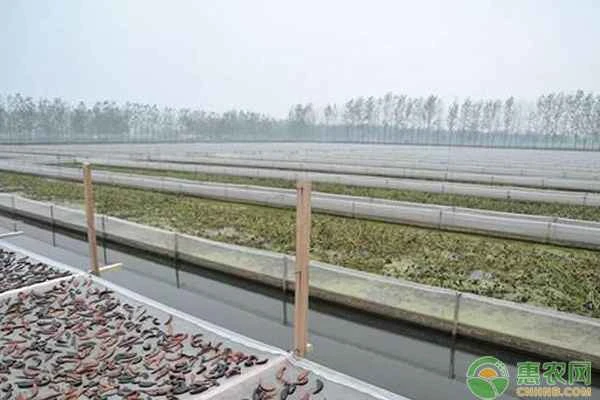
Leeches need sufficient oxygen to grow, so the water should be changed regularly to ensure that the dissolved oxygen in the water is sufficient. At the same time, care should be taken to avoid pollution from chemical fertilizers and pesticides .
6. Escape Prevention Measures
Leeches can crawl and burrow, so preventing escape is crucial. How to prevent leeches from escaping is an important issue in leech farming.
7. Difficult to catch
Many leeches burrow in the mud, making them difficult to catch.