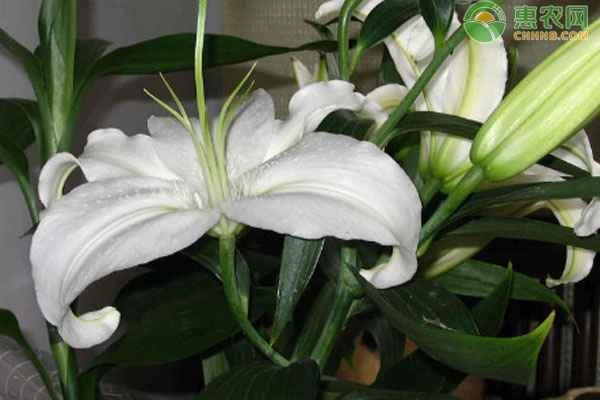
Nowadays, more and more people are choosing to grow flowers at home, and lilies are a popular choice. They have high ornamental value and are not difficult to grow. What causes lily leaves to turn yellow and wither from the bottom up? What are the solutions? Let's take a look.
1. Unsuitable soil
Sometimes, lily leaves turn yellow from the bottom up, which is actually caused by unsuitable soil. Lilies are acid-loving plants, and their soil must be slightly acidic and contain humus. If the soil becomes alkaline or compacted, it will affect the lily's absorption of nutrients, and the plant's leaves will gradually dry out and fall off.
Solution: If you see that the soil for your lilies has dried out, you should replace it immediately. The best soil is loose, well-draining sandy soil, mixed with some humus-rich peat moss. Use sand, peat moss, and some perlite in a 5:4:1 ratio to ensure adequate soil nutrients.
2. Uncomfortable temperature
Sometimes lily leaves turn yellow from the bottom up, which may be due to unsuitable temperature. In the summer when the temperature is relatively hot, the leaves are prone to yellowing. The dormancy period of lilies is also in the summer. Not only will the bottom leaves turn yellow, but the entire plant will slowly wither. Withering does not mean death.
Solution: If this is the cause, you can cut off the plant, place it in a cool, well-ventilated environment, and water it occasionally along the edge of the pot. It will sprout again next year.
3. Lack of nutrients
The yellowing of lily leaves starting from the bottom and gradually moving upwards is mostly due to insufficient nutrients and water absorption by the plant. A lack of water and fertilizer will cause the plant to yellow and turn yellow. Once yellowing begins, it will inevitably start with the leaves, and the plant will slowly enter a state of dehydration.
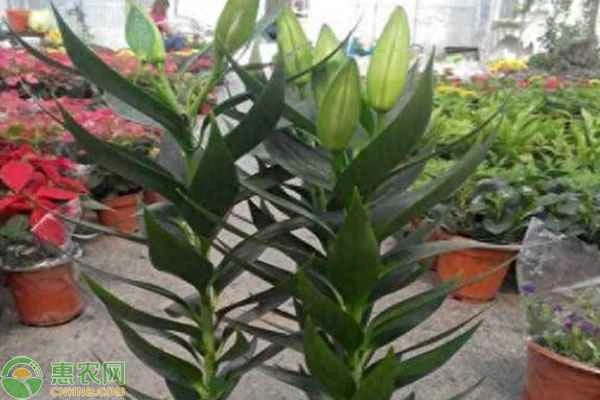
Solution: The solution to yellowing lily leaves caused by nutrient deficiency is simple. Don't rush to add fertilizer . First, add water to the plant and water it thoroughly. After the plant has absorbed the water for 2-3 days, then add fertilizer. Note that you must use diluted fertilizer first and gradually increase the amount later. This will allow the plant to recover slowly.
4. The flowerpot is too small
The roots of lilies are bulbous roots, which not only take up a lot of space, but if they are piled too tightly, the plant will not adapt well and may even be unable to absorb nutrients. Sometimes, the leaves of lilies turn yellow because the flower pot is too small, which will confine the plant's nutrients and hinder the plant's absorption of nutrients.
Solution: If the pot is too small and the plant is no longer growing, it needs to be repotted immediately. Otherwise, the leaves will turn yellow. Repot the lily into a shallower pot with a larger diameter, which will be more suitable for the lily's growth.
5. Normal phenomenon
Sometimes it's normal for lily leaves to turn yellow. Lily flowers wither after their blooming period. After the flowers fade, the above-ground parts of the plant will gradually turn black and then yellow, at which point the plant will enter a dormant period. This is not due to disease; it's simply a normal growth process.
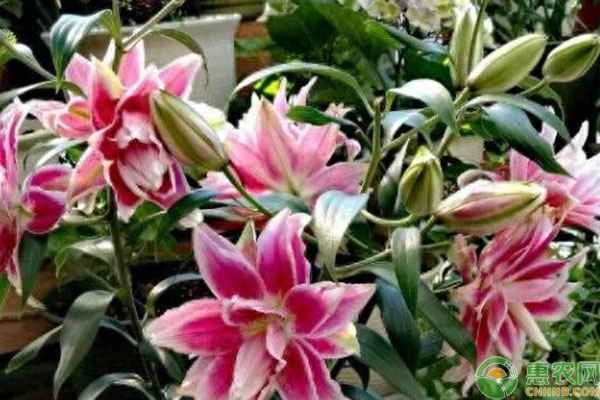
Solution: If the lilies are wilting after their normal flowering period, there's no need to worry. Simply cut off the part of the lily plant above ground, then place the pot in a cool, well-ventilated environment to allow it to gradually go through its dormancy period. The plant will then sprout again next spring.