Dandruff is not contagious.
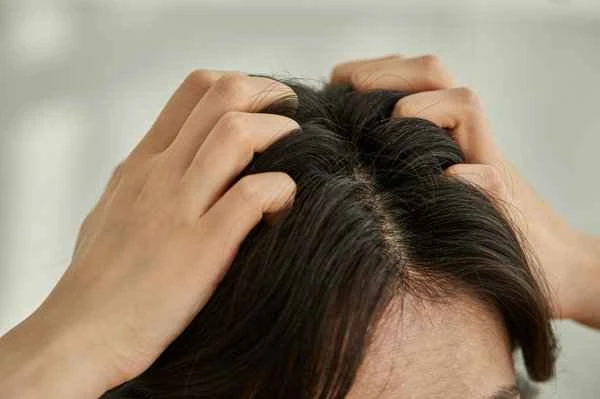
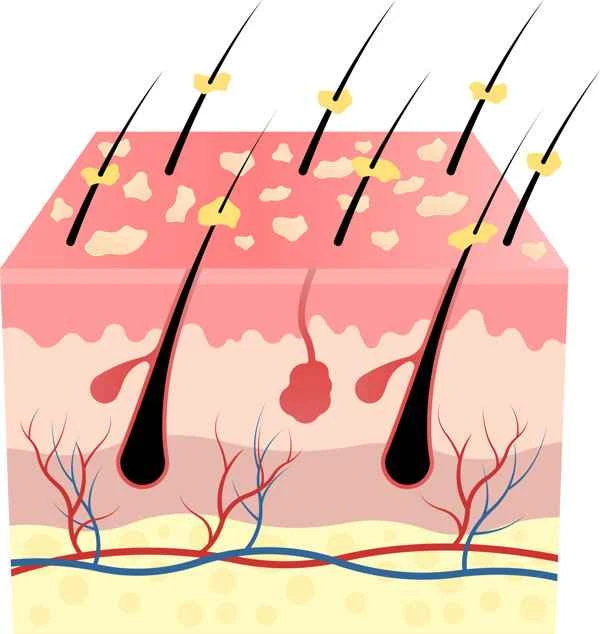
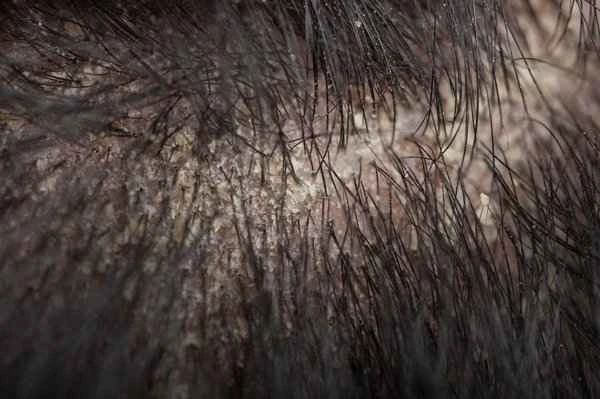
Dandruff is formed by the shedding of dead skin cells from the scalp, and is usually related to factors such as excessive scalp oil secretion, overgrowth of Malassezia, and impaired skin barrier function. Malassezia is a common dermatophyte that is not contagious itself, but it can overgrow under certain conditions, leading to increased dandruff. Excessive scalp oil secretion provides an environment for Malassezia to grow, while impaired skin barrier function can make the scalp more sensitive to external stimuli, thus triggering dandruff problems.
To reduce dandruff, you can take the following steps: Choose a shampoo suitable for your scalp type, especially those containing antifungal ingredients such as ketoconazole, selenium sulfide, or tar, which can help control the growth of Malassezia. Keep your scalp clean and avoid using overly harsh chemicals to prevent damaging the scalp's natural barrier. Maintaining healthy lifestyle habits, such as a balanced diet, sufficient sleep, and moderate exercise, can help improve scalp health. If your dandruff problem is severe and does not improve, it is recommended to consult a dermatologist for more professional treatment advice.
[Life Tips]
1. Use shampoo containing antifungal ingredients.
2. Keep your scalp clean and avoid using harsh chemicals.
3. Maintain healthy lifestyle habits, such as a balanced diet and sufficient sleep.