Postoperative scarring of the spleen refers to scar tissue that forms in the spleen area after spleen surgery.

Understanding the significance of post-splenic surgery scarring is crucial, as it not only signifies surgical success but also reflects the body's healing process. By observing the scar's condition, doctors can assess the surgical outcome and the patient's recovery, allowing for timely adjustments to the treatment plan.

Postoperative scar formation after spleen surgery is a complex physiological process. Following surgery, the tissues in the spleen region undergo a series of changes, including inflammatory responses, cell proliferation, and collagen deposition. These changes ultimately lead to scar tissue formation. Scar tissue is typically harder than normal tissue and has a different color, making it easily identifiable during physical examinations or imaging studies.
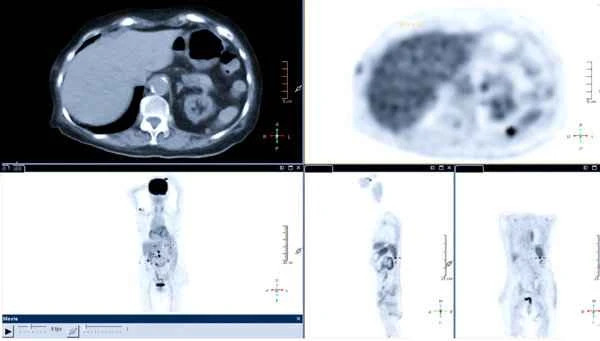
When doctors describe a spleen surgery scar, they focus on its size, shape, color, and texture. This information helps assess the scar's healing progress and determine the risk of infection, bleeding, or other complications. Accurately describing the scar is crucial for subsequent medical decisions.
【Useful Tips:】
1. Regular follow-up examinations after surgery are necessary to monitor the healing progress of the scar.
2. Carefully observe whether there are any abnormal phenomena such as redness, swelling, or pain around the scar.
3. Follow your doctor's advice and take appropriate care measures to promote healing.
4. Maintaining good lifestyle habits helps improve the body's self-healing ability.