After a period of stabilization, hypertrophic scars usually stop growing within a few months to a year, but the specific time varies from person to person and is affected by a variety of factors.
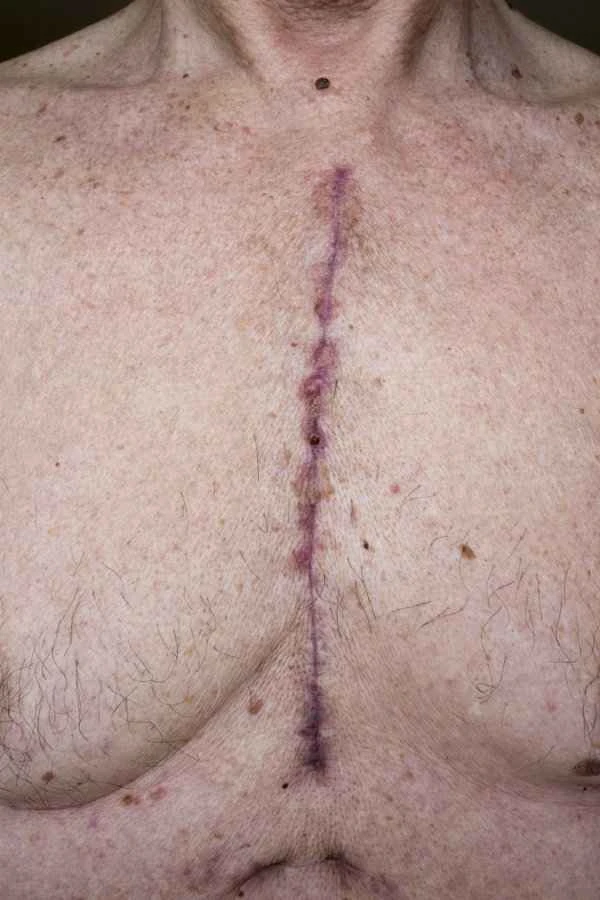
Hypertrophic scarring refers to the abnormal proliferation of collagen during wound healing, caused by excessive deposition due to inflammatory responses, genetic factors, or improper wound care. The stabilization period for hypertrophic scarring typically occurs 3 to 6 months after wound healing, but complete cessation of proliferation can take much longer, sometimes even exceeding a year. During this period, the growth of scar tissue gradually slows down until it stops. Whether hypertrophic scarring stops depends on various factors, including individual differences, wound location, and the healing environment. For example, in certain areas of the body, such as near joints, hypertrophic scarring may persist longer due to frequent activity. Inflammatory responses during wound healing, local blood circulation, and the individual's immune status all influence the progression of hypertrophic scarring.
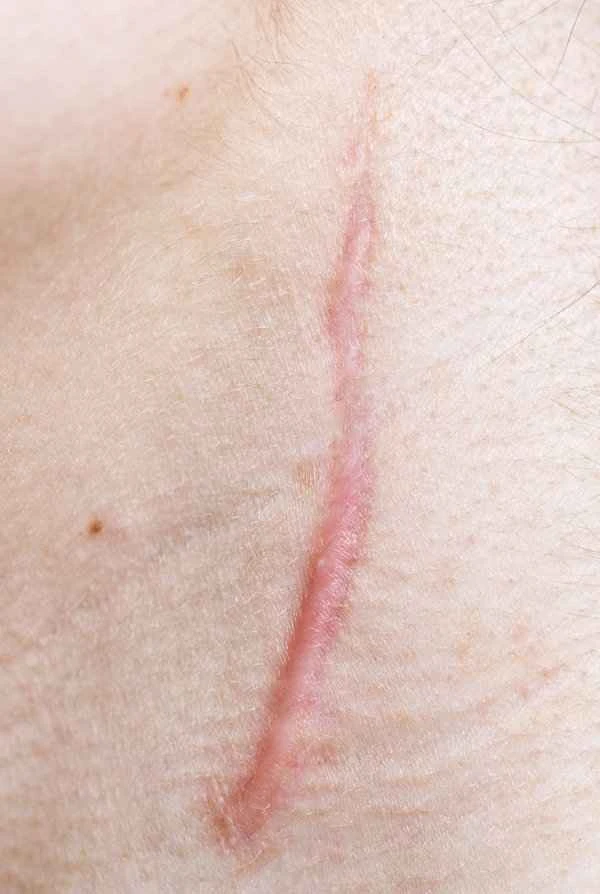
Treatment methods for hypertrophic scars include the use of silicone sheets, pressure therapy, and topical medications. These methods can reduce redness, swelling, and itching, and promote scar maturation, but they cannot completely stop scar hyperplasia. During treatment, patients need to be patient and closely observe changes in the scar to adjust the treatment plan as needed. Treating hypertrophic scars is not a quick fix; patients need to be patient and closely monitor changes in the scar during treatment, adjusting the treatment plan accordingly. Additionally, some side effects may occur during treatment, such as local skin discoloration and infection. Therefore, it is crucial to strictly follow medical advice and avoid self-medication or treatment.
[Management Tip:]
1. Regularly observe changes in the scar and record its size, color, and other characteristics.
2. Keep the wound clean to prevent infection and promote healing.
3. Use medications or devices as prescribed by your doctor, such as silicone pads, pressure garments, etc.
4. Pay attention to a healthy diet and avoid consuming foods that may affect wound healing.