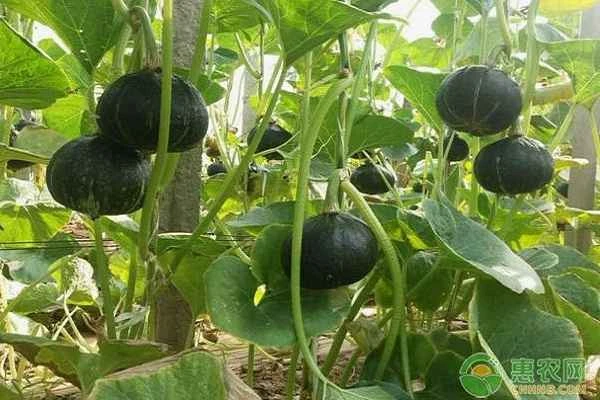
Pumpkin is a common vegetable with many varieties, including Honey Pumpkin, Snake Pumpkin, Red Chestnut King, Baby Pumpkin, Cream Pumpkin, and more. In recent years, chestnut pumpkins have become particularly popular, leading many growers to consider cultivating them. Let's learn about the planting techniques and management methods for chestnut pumpkins.
1. Planting time
In the south, it is generally recommended to sow in early to mid-April. If direct sowing is used, mulching with plastic film can be used to avoid the problem of delayed growth due to low temperatures in the early stages.
2. Vine Management
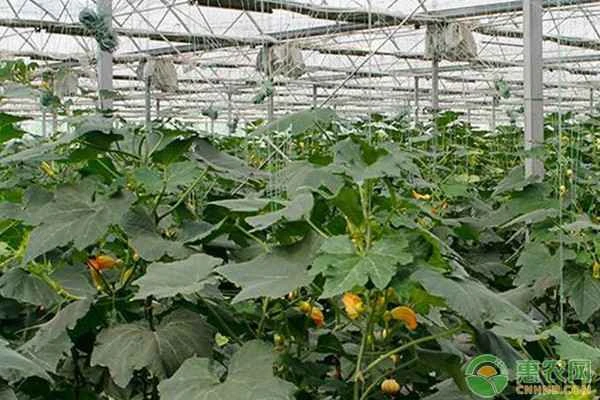
Chestnut pumpkins are generally cultivated using trellises. Trellising can begin 10-15 days after transplanting; A-frame trellises are recommended, with a bamboo pole strung horizontally between trellises for added stability. When the vines reach 8-10 cm in length, they should be trained and tied onto the trellis. Chestnut pumpkins primarily bear fruit on the main vine, requiring single-vine pruning. Side branches should be removed promptly, and the vines should be properly managed.
3. Apply fertilizer appropriately
The first application is done 10-15 days after transplanting, using well-rotted human manure or compound fertilizer per acre. The second application is done after the first fruit has set, using 15-20 kg of potassium sulfate compound fertilizer per acre diluted in water and applied by drenching or shallow watering.
4. Water scientifically
Chestnut pumpkin plants have lush foliage and high transpiration rates, so they require a significant amount of water during their growth period. When transplanting seedlings, water them promptly to help them establish themselves and promote growth. After fruit set, water once to encourage fruit expansion. Afterward, water as needed based on soil moisture, keeping the soil sufficiently moist. Once the chestnut pumpkin fruits have fully developed, reduce watering to promote dry matter accumulation and increase fruit sweetness.
5. Artificial pollination
During the flowering period of the chestnut pumpkin, pick the male flowers between 8 and 10 in the morning, tear off the surrounding petals, and gently smear the stamens on the stigma of the female flower. Generally, do not keep the fruit from the first female flower, but only from the second and third female flowers.
6. Harvest at the appropriate time
The fruit is ready for harvest when its outer skin turns reddish-orange. Handle it gently during harvesting to avoid damaging the skin.