Watermelon cultivation typically involves seed propagation, making proper seedling establishment a crucial step for successful watermelon planting. So, when is the best time to start watermelon seedling cultivation? Let's find out below.
When should watermelon seedlings be started?
The best time for watermelon seedling cultivation is generally from mid-March to early April. However, the specific time for seedling cultivation should be determined based on the actual local planting environment and conditions.
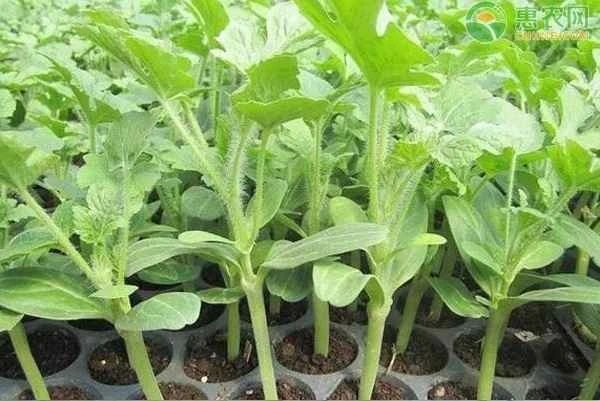
How to cultivate watermelon seedlings effectively?
1. Preparation of nutrient soil
It is best to use disease-free, dry garden soil that has not been used to grow melons for more than 5 years. Sandy loam is preferred, and the soil should not be too sticky. Add 1-2 kg of low-nitrogen, high-phosphorus, and high-potassium compound fertilizer , 50-100 kg of fully decomposed and fermented organic fertilizer , 100-200 g of beneficial microbial agent, and 50 g of Ciba boron zinc fertilizer to each cubic meter of soil. Mix well and then put it into the nutrient pot.
2 Seed Treatment
Before sowing and raising watermelon seedlings, spread the selected watermelon seeds on clean paper and dry them for 4 hours. Then soak the seeds in warm water at about 60 degrees Celsius, stirring while adding water. When the water temperature drops below 30 degrees Celsius , soak the seeds for 4 hours, then take them out and drain the water.
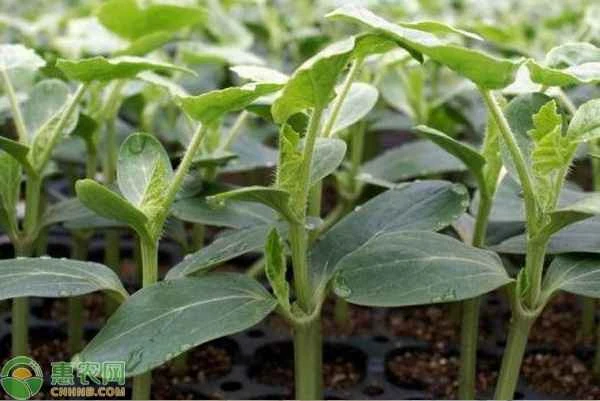
3. Key points of sowing
Place the germinated seeds flat on the prepared nutrient soil in the seedling pots, with the sprout facing down (since the sprout is the root). Place only one germinated seed in each seedling pot, then cover it with 1 cm of nutrient soil and sprinkle with a small amount of 1000 times diluted Topsin solution (or other fungicide ). Insert bamboo blocks, cover with a thin film, and press the edges of the film down with fine mud.
4. Planting at the appropriate time
During the seedling stage, a small amount of ventilation and timely watering can be provided to promote faster seedling growth. When the seedlings reach 10 to 15 centimeters in height, they can be transplanted. The seedlings can be promptly transplanted into the field. The planting method involves using a hole puncher to create holes about 5 centimeters deep and 4 centimeters in diameter in the plastic film. The spacing between each seedling should be 30 to 35 centimeters, and three rows can be planted per bed.