Summer's favorable environmental conditions often lead to pests growing stronger, reproducing rapidly, and causing greater damage. Frequent pesticide use increases planting costs. Today, we introduce several inexpensive and highly effective pesticide combination solutions that can effectively control pests without significantly increasing costs.
1. Imidacloprid + Chlorpyrifos
This product can be used to control underground pests such as peanut grubs . It should be applied when peanuts are sown, by mixing it with soil and spreading it evenly. Mix the pesticide with an appropriate amount of water and fine sand, and then spread the mixture in the sowing hole in a measured amount before sowing and covering with soil. Warning signs should be set up after application, and people and animals should not enter the application site until one day after application.
2. Pymetrozine + Thiamethoxam
It can be used to control rice planthoppers. Application should be carried out during the peak hatching period of rice planthopper eggs to the emergence period of young nymphs. Ensure even and thorough spraying to guarantee efficacy. The safe interval for use on rice crops is 14 days. A maximum of two applications per crop cycle are allowed; for consecutive applications, an interval of approximately 10 days is required.
3. Etoxazole + Avermectin
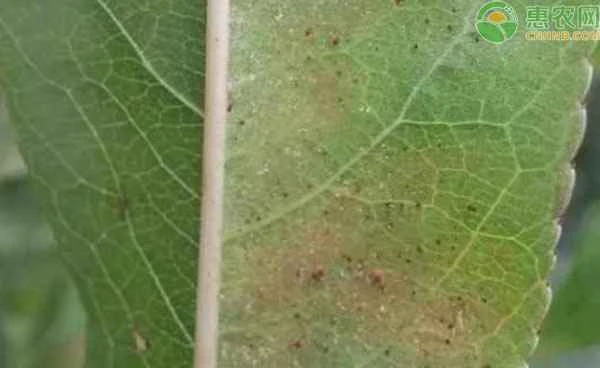
It can be used to control red spider mites on peach trees. It is recommended to spray the leaves in the early stage of the increase in red spider mite population. When applying the pesticide, avoid high temperature periods. Do not apply the pesticide when the temperature is above 35℃. It has a good control effect on all stages of red spider mite, including eggs, nymphs and adults.
4. Indoxacarb + Emamectin benzoate
It can be used to control rice leaf rollers. Application should begin in the early and peak hatching stages of rice leaf rollers. Pay attention to even and thorough spraying. The two active ingredients work together to affect the pest's nervous system, affecting the normal transmission of nerve impulses, leading to paralysis and death of the pest.
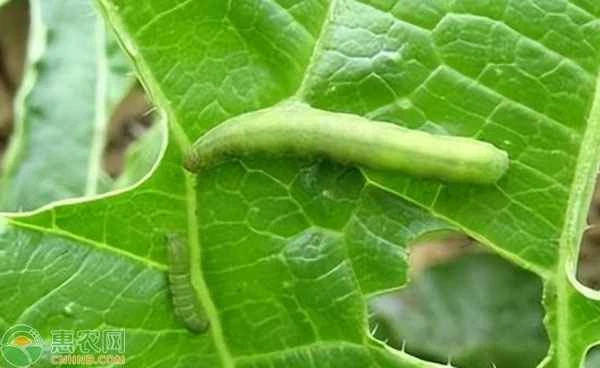
5. Chlorfenapyr + Emamectin
It can be used to control the beet armyworm in cabbage. Dilute with water and spray evenly during the initial and peak larval stages of the beet armyworm. It has stomach poison and contact action, strong penetration into plant leaves, and some systemic effect, resulting in more thorough insecticidal action and longer-lasting efficacy. The synergistic effect of mixing the two is significant, reducing the dosage and delaying the development of pest resistance, thus providing good control against the beet armyworm in cabbage.
6. Chlorpyrifos + Cypermethrin
This product can be used to control citrus scale insects, especially during the peak emergence period of young nymphs. It has contact, stomach poison, and some fumigation effects, penetrating into the epidermal tissue of crop leaves and branches, effectively controlling citrus scale insects. This product is sensitive to cucurbits, tobacco, and lettuce seedlings; care should be taken to avoid drifting the pesticide onto these crops to prevent phytotoxicity.
7. Triazophos + Chlorpyrifos
This product can be used to control the rice stem borer. Application should be carried out during the peak hatching period of the rice stem borer eggs, ensuring even spraying. In summer, application should be done in the early morning or late evening when temperatures are lower. Application should be stopped between 10:00 AM and 4:00 PM on hot, sunny days. This product is phytotoxic to corn, sorghum , cucumber, beans, sugar beets, and tobacco; avoid drifting onto these crops to prevent phytotoxicity. The safe interval for use on rice is 30 days.
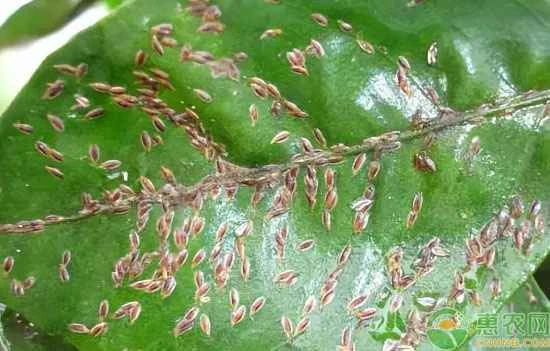
8. Avermectin + Acetamiprid
It can be used to control cucumber aphids. It is best to apply the pesticide at the early stage of the infestation or during the peak of egg hatching. The spray should be even and thorough. It has contact and stomach poison effects and a weak fumigation effect. It has a strong penetrating effect on the leaves and can kill pests under the epidermis. It also has a long residual effect.