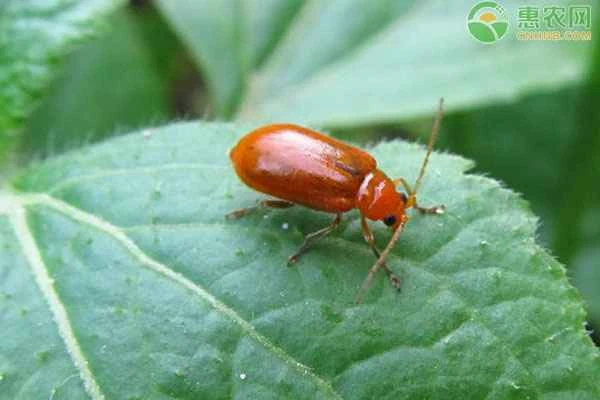
The yellow cucumber beetle, also known as the cucumber leaf beetle or yellow firefly, is a pest of cucurbit plants that thrives on them. Its numbers are highest and the damage is most severe from May to August. So, what pesticides are best for treating the yellow cucumber beetle? Let's take a look.
1. What is the best medicine for treating yellow croaker?
1. Chemical control
For adult insects, spray with a 2000-fold dilution of cypermethrin EC, or a 2000-fold dilution of fenvalerate EC, or a 3000-fold dilution of cis-cypermethrin EC. To prevent larvae, drench the roots with a 2500-fold dilution of phoxim EC or a 1500-fold dilution of methomyl EC.
2. Agricultural control
After the seedlings emerge, cover them with netting and sow early spring vegetables such as water spinach, Malabar spinach, and amaranth around the plants. While training the vines onto the trellis and removing the netting, first remove some of the early spring vegetables near the seedlings. Then, spread a layer of rice husks, wood ash, or sawdust about 1 cm thick on the soil around them to prevent larvae and adults from laying eggs and damaging the roots of the seedlings. Cut window screen into squares 30-40 cm wide and 50-60 cm long, and sew them into cylinders 15-18 cm in diameter and 30-40 cm high. Sew one end closed. Cover the seedlings for 1-2 days after emergence to avoid the period of severe damage.
II. Characteristics of Yellow Cucumber
1. Belongs to the order Coleoptera, family Chrysomelidae.
2. Harmful to cucurbits: Yellow cucumber beetle, Black-footed black cucumber beetle, and Yellow-footed black cucumber beetle.
3. The yellow cucumber beetle is most damaging in areas south of the Yangtze River, while the yellow-legged black cucumber beetle is mainly distributed in provinces south of the Yangtze River; the black-legged black cucumber beetle is distributed in Shaanxi and Gansu in the northwest, as well as in other provinces (regions). Among them, the yellow cucumber beetle is the most common.
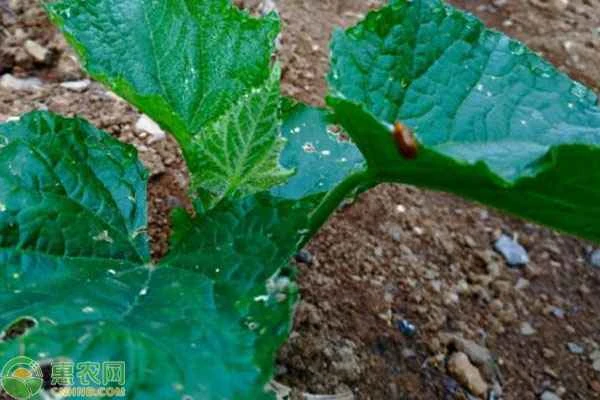
4. Hosts: It damages various cucurbits, with the most severe damage occurring to pumpkins, watermelons, cucumbers, and melons. It also damages Solanaceae, Brassicaceae, Fabaceae, sunflowers , citrus, pears, peaches, apples, mulberry trees, etc.
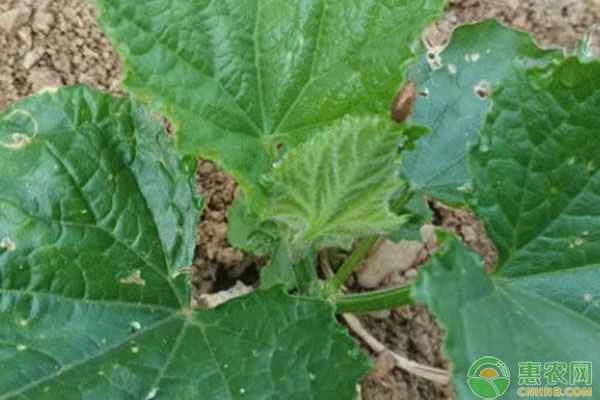
5. Adult insects prefer to feed on flower petals and melon leaves, and can also damage the skin of pumpkin seedlings, eat young fruits, and bite off tender stems. Damage to melon seedlings often brings devastating consequences, as the leaves develop circular notches after being eaten, affecting photosynthesis.
6. The larvae feed on the roots of melons underground, which can cause the plant to wilt and die in severe cases. They can also bore into the ground-hugging part of the melon, causing it to rot.
7. One generation occurs annually in the north; 2-4 generations in Guangxi and Guangdong; 3-4 generations in Taiwan.
8. In all regions, they overwinter as adults, often in groups of ten or more living in sheltered, sunny places such as field ridges, tree bark, or gaps in weeds and fallen leaves.
9. When the temperature reaches 10℃ in the following spring, they all emerge from hibernation. Before the melon seedlings emerge from the soil, they feed on other hosts. After the melon seedlings have grown 3-4 true leaves, they move to the melon seedlings to cause damage.
10. It bites by rotating its body around a radius, leaving semi-circular holes or food marks.
11. Adults are active from 10 am to 3 pm and prefer warm, sunny days.
12. When startled, it may appear dead or fly away; it may survive a 10-day hunger strike and turn yellow.