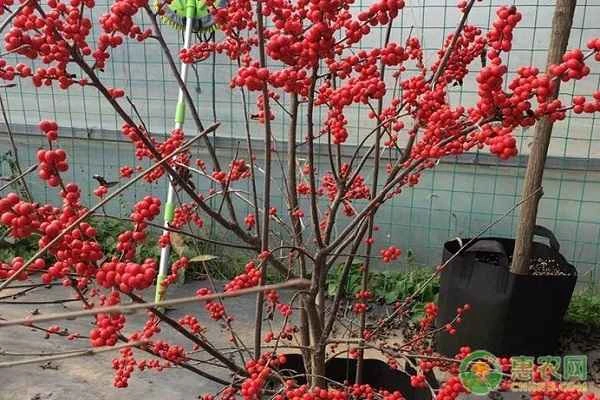
Buddha's Hand, also known as Five-Finger Citrus, Buddha's Hand Orange, and Buddha's Hand Citrus, has its flowers, fruits, leaves, stems, and roots all used in traditional Chinese medicine. Below, we'll discuss how to cultivate Buddha's Hand.
1. Choose the right variety
Before cultivating Buddha's Hand citron, you should first choose a variety suitable for your growing region. There are different varieties of Buddha's Hand citron, some adapted to different climatic conditions. Ensure that the variety you choose is suitable for the climate and growing conditions of your area.
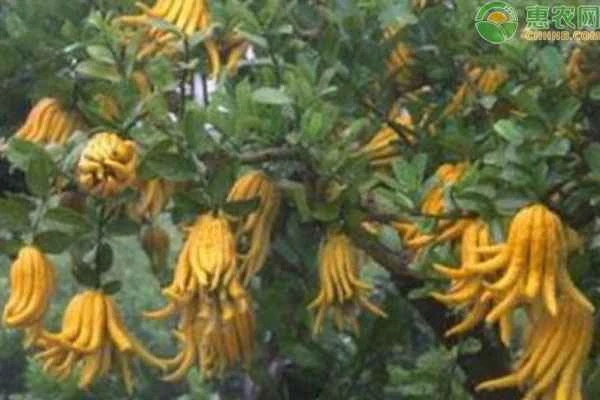
2. Provide ample sunlight
Bergamot needs plenty of sunlight to grow healthily. Choose a sunny location, ideally receiving at least 6 to 8 hours of sunlight daily. If growing indoors, consider using artificial plant grow lights to provide additional light.
3. Suitable temperature
Bergamot thrives in temperatures between 15°C and 30°C. Ensure your growing area remains within this temperature range. If you live in a colder region, consider moving the plant to a greenhouse or indoors during the winter months.
4. Choose a suitable container or soil.
If you choose to grow bergamot in a pot , make sure to choose a container large enough to accommodate the plant's root system. Use a well-draining soil mix to avoid waterlogging and root rot. You can choose a soil mix specifically designed for citrus plants.
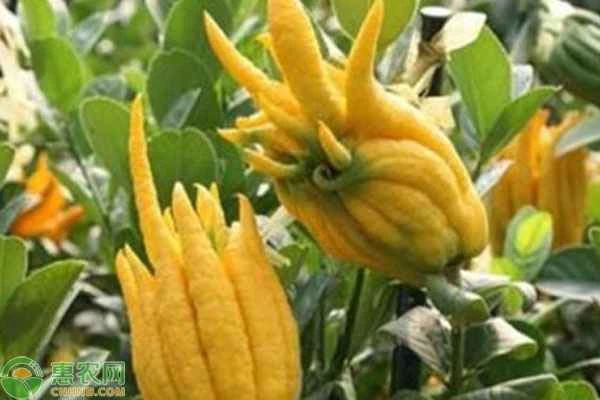
5. Water as needed
Bergamot needs moderately moist soil, but avoid overwatering. Generally, after each watering, make sure to wait until the soil surface is dry before watering again. Use your finger to gently touch the soil surface to check the soil moisture.
6. Fertilizing
Regular fertilization is crucial for the growth of bergamot. You can use an organic fertilizer specifically formulated for citrus fruits and fertilize every few weeks. Be sure to follow the instructions on the packaging to avoid over-fertilizing.
7. Pruning and trimming
Pruning and trimming bergamot plants helps maintain their health and shape. In the appropriate season, prune away overly long or dead branches to encourage new growth. You can also prune crossing branches to maintain airflow and shape.
8. Prevention and control of pests and diseases
Regularly inspect bergamot plants to ensure they are free from pests or diseases. If problems are found, take appropriate measures promptly, such as using organic pesticides or fungicides to treat pests or diseases.
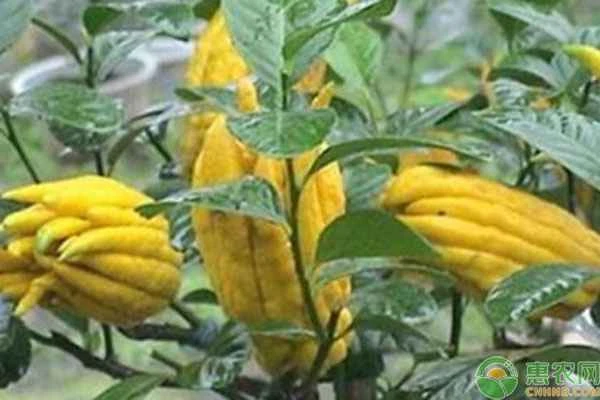
9. Harvest at the appropriate time
Once the bergamot is ripe, it can be harvested. Ripe bergamots are typically brightly colored and have a strong citrus aroma. Gently twist the fruit to remove it from the tree to avoid damaging the plant.